From the Archive: Hero and Mr. Baseball

When I wrote reviews for The Pointer, the student newspaper at the University of Wisconsin-Stevens Point, I typically focused on a pair of films, doing my level best to thematically tie them together. As my rudimentary explanation of auteur theory here makes clear, there were plenty of instances when my attempts yielded strained results. The artistic success or failure of a film is often attributed chiefly to the director. Despite the acknowledged importance of fine writing and convincing acting, the director shoulders the majority of criticism because it is their job to tie everything together and strengthen the weak spots. … Continue reading From the Archive: Hero and Mr. Baseball

Frears, Kurosawa, Robson, Sturges, Taylor

Seven Samurai (Akira Kurosawa, 1954). I sometimes identify Akira Kurosawa’s Ran as epic filmmaking writ as large as the screen allows. Seven Samurai, made over thirty years earlier, is epic filmmaking in the inverse, pruned and delicate and piercingly intimate. There are major moments to it, too, and scenes of pounding cinematic glory, but what really makes it work is the painstaking intricacy of Kurosawa’s storytelling. There’s a reason other creators return to it time and again, extracting what is useful for their own tales of valor and ironic victory. Kurosawa and his collaborators (Shinobu Hashimoto and Hideo Oguni are … Continue reading Frears, Kurosawa, Robson, Sturges, Taylor
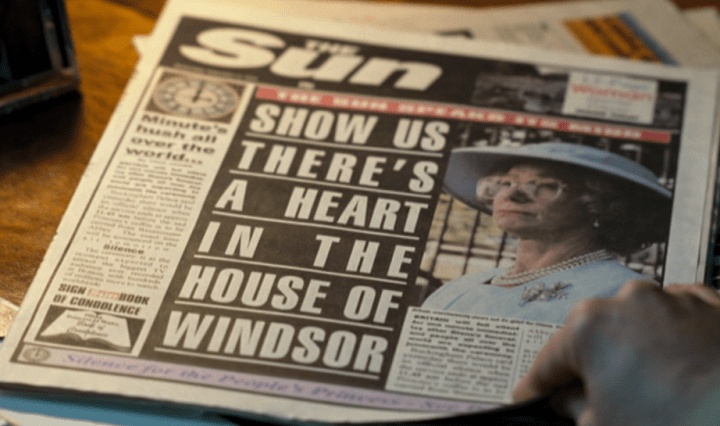

Demme, Frears, Hooper, Lee, Wang

Swimming to Cambodia (Jonathan Demme, 1987). Jonathan Demme may not have been the best filmmaker of the nineteen-eighties, but I think there’s an argument to be made that he was the most interesting. This film is a good illustration of that point. It’s a film version of one of Spalding Gray’s monologues, a meandering but always focused act of storytelling that springs from his involvement in the film The Killing Fields. Gray’s approach was simplicity itself, sitting behind a small wooden table with his spiral notebook before him and little more than a couple of maps to help fill out … Continue reading Demme, Frears, Hooper, Lee, Wang

Top Fifty Films of the 00s — Number Thirty

#30 — The Queen (Stephen Frears, 2006) When Princess Diana died in a car crash in August 1997, the cultural impact was seismic, and, in a way, unprecedented. As opposed to other celebrity deaths that have set people to mourning in the streets, Diana’s untimely passing wasn’t tinged by movies unmade, songs unrecorded, books unwritten. More than with Elvis Presley who preceded her and Michael Jackson who followed her, the people grieving the loss of a global celebrity weren’t responding to their connection to art, but to the person. Misguided or not, they felt they knew her, loved her the … Continue reading Top Fifty Films of the 00s — Number Thirty