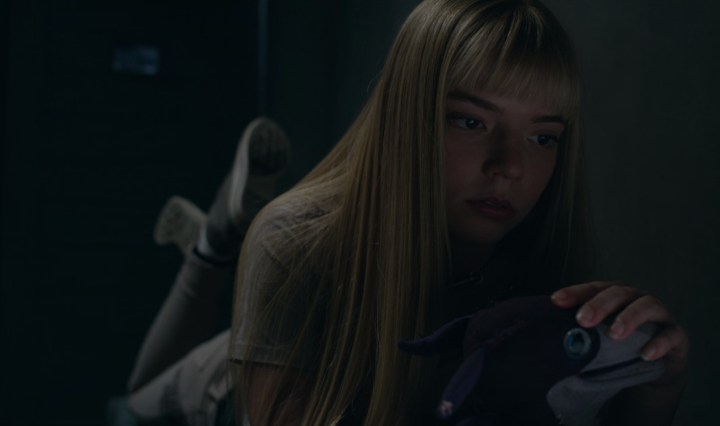
Then Playing — The Westerner; Follow Me Quietly; The New Mutants
Reviews of films directed by William Wyler, Richard Fleischer, and Josh Boone. Continue reading Then Playing — The Westerner; Follow Me Quietly; The New Mutants
Reviews of films directed by William Wyler, Richard Fleischer, and Josh Boone. Continue reading Then Playing — The Westerner; Follow Me Quietly; The New Mutants
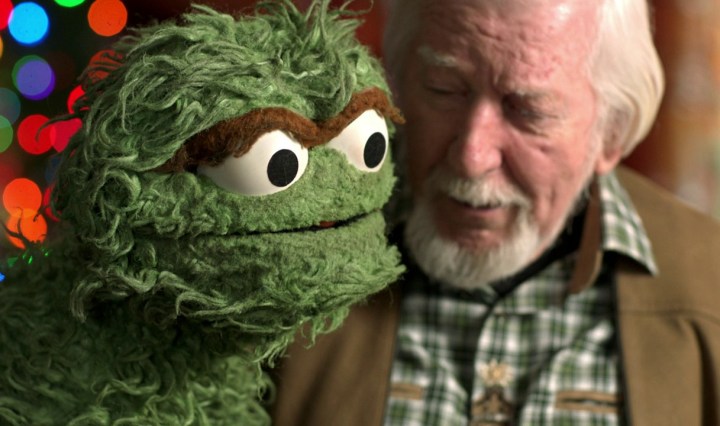
Wuthering Heights (William Wyler, 1939). This adaptation of the classic 1847 Emily Brontë novel of the same name is a signature example of the epic sweep filmmakers could conjure up on soundstages during Hollywood’s golden age, well before it was … Continue reading Then Playing — Wuthering Heights; Street Gang: How We Got to Sesame Street; Logan’s Run
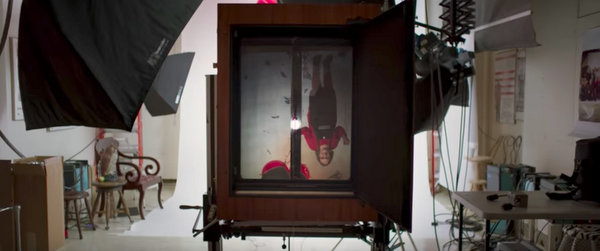
The Best Years of Our Lives (William Wyler, 1946). My overwhelming reaction to this drama of post-war turmoil in the lives of U.S. fighting men and their families is a dumbstruck marveling that it was released just one year after … Continue reading Playing Catch-Up — The Best Years of Our Lives; The B-Side: Elsa Dorfman’s Portrait Photography; Truth
#15 — The Heiress (William Wyler, 1949) Technically, a period drama can be set in any past era, but the term immediately calls to mind a certain slice of the human timeline, long on corsets and stiff gatherings and short on electricity and rambunctiousness. In my informed but admittedly prejudiced view, a great many of these sorts of films are overly staid, buffed up with refinement and lacking in passion. The older the copyright date on the piece of cinema, the more likely my uncharitable prejudice is to be accurate, the confinements of still developing film stylings accentuating the already rigid, regimental … Continue reading Top Fifty Films of the 40s — Number Fifteen

#29 — Roman Holiday (William Wyler, 1953) Roman Holiday comfortably coheres to many of the patterns that have dictated Hollywood-crafted romantic comedies for about as long as the moving pictures started to talk. There’s the upstanding man’s man, who may … Continue reading Top Fifty Films of the 50s — Number Twenty-Nine
The Hangover (Todd Phillips, 2009). The premise is great. Four guys go to Las Vegas for a bachelor party. The next morning they wake up from a blackout drunk with the groom-to-be missing, and they have to reconstruct their crazy night from increasingly absurd clues. It’s like Memento reimagined as a ribald comedy. The execution is another matter. The screenwriting team of Jon Lucas and Scott Moore (who saw this turn into a box office sensation just a few weeks after their handiwork resulted in a dreadful-looking bomb) just pile on incident after incident, getting laughs from jolting the audience … Continue reading Bunuel, Frankenheimer, Phillips, Wright, Wyler
Roman Holiday (William Wyler, 1953). It would take some dedicated hunting through Hollywood history to find another star turn that justifies hanging an entire film upon it as much as the one at the center of this lovely wisp of a romantic comedy. It’s really all about Audrey Hepburn and her swoon-inducing performance as a pampered princess who steals away from her privileged, cloistered world to indulge in a burst of freedom across the streets of Rome. She’s utterly charming in a guileless way, but it’s the levels of personality that she injects into the performance that really sell the … Continue reading Demme, Hitchcock, Ramis, Scott, Wyler
Blue Collar (Paul Schrader, 1978). Two years after the breakthrough success of Taxi Driver, which he scripted for Martin Scorsese, Paul Schrader made his directorial debut with a film about struggling auto workers who battle their callous bosses, inept union heads and ultimately each other. As should probably be expected from Schrader, especially at this point in his career, the film is raw and potent, getting into the muscular, profane urgency of these men as they struggle to accept their lot in life, including the inherent betrayals of principle that come with any efforts at upward mobility, and the dangers … Continue reading Klores and Stevens, Schrader, Toback, Wyler, Zonca
 Coffee for Two