Get Smart (Peter Segal, 2008). So mechanical that it quickly becomes depressing. This launch of a new film franchise based on the sixties TV spy spoof–it’s nearly impossible think of it in terms of a single film rather than the beginning of an ongoing endeavor–is assembled from repurposed parts and spectrum-spanning cast members designed to make sure there’s at least one person in the credits that appeals to any randomly selected potential moviegoer. Anne Hathaway, playing Agent 99, has one moment that she plays with admirable commitment to honest emotions. I’m assuming that her castmates consulted with her after that take, informing her that this is one of those movies that you show up for the paycheck and the craft service table, and she should save that acting junk for Demme.
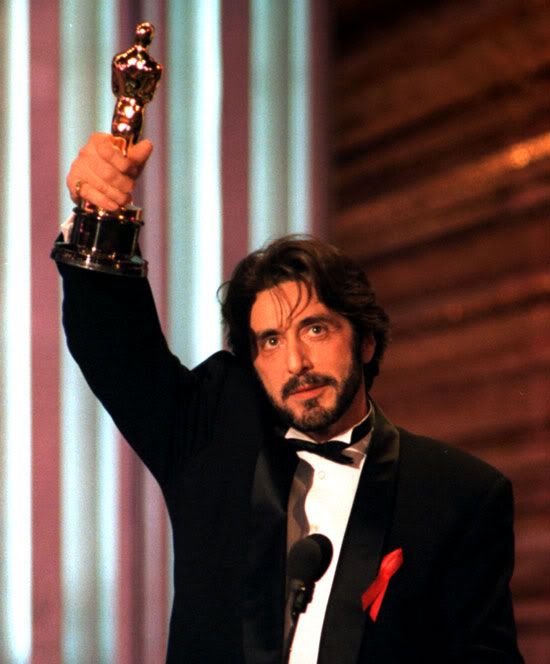
88 Minutes (Jon Avnet, 2008). Despite his spotty record since winning an Oscar for overacting his heart out in Scent of a Woman, I’d wager that Al Pacino’s career nadir remained Author! Author!, the film for which the famously intense actor was so ill-suited that its title was a punchline all by itself. That inconsequential family drama may finally be relieved of its ignoble cinema history, thanks to the remarkably atrocious 88 Minutes. Pacino plays a forensic psychiatrist who begins receiving menacing phone calls on the scheduled execution day of a particularly famous serial killer he once testified against. The title refers to the amount of time that Pacino’s character is told he has left to live when the initial phone call arrives. What follows is intended to be a real-time study in building tension, but is instead a drag, laughable exercise in crafting the sort of tepid thriller that used to kill time in the wee hours of Cinemax mornings in the nineties. The only conceivable use for the film is by the city of Seattle, which could use it as a recruiting tool for the easily gulled since it seems as if the major metropolis can be traversed repeatedly in the span of an hour and a half. Moving to The Emerald City is apparently the perfect solution for those worn thin by the length of their morning commute.
Control (Anton Corbijn, 2007). The seasoned music video director crafts a smashing feature debut with this biopic about Ian Curtis, the lead singer and lyricist for seminal post-punk band Joy Division. Impressively, Corbijn manages a narrative that is headlong and bracing as the music that fills the film, capturing with urgency the drive and pain of Curtis’s life. This is in part because of the keen attention to telling details throughout the film, but also because of an unafraid and unadorned depiction of the ways in which Curtis was effectively stranded by those around him who willfully misunderstood the challenges he faced. Sam Riley is riveting as Curtis, bringing a necessary edginess to every scene.
Son of Rambow (Garth Jennings, 2008). Seemingly inspired by the trio of Mississippi kids who achieved some level of small-scale fame for their loving shot-for-shot remake of Raiders of the Lost Ark, Jennings’s follow-up to his swing-and-miss adaptation of The Hitchhiker’s Guide to the Galaxy follows a couple of young British lads as they stave off their respective misery and isolation by making their own version of First Blood. There are some effective details here and there, led by the nicely conveyed sense of freedom through creativity, but they coexist uncomfortably with weirdly stylized digressions, especially those involving a French exchange student who achieves a sort of weird reverence within the school. The friendship between the two boys at the center of the fill is developed well enough to build real feeling into the conclusion, but overall the film is too much of a mess to make a lasting impression.
This is England (Shane Meadows, 2007). In its first act, this autobiographical film about a lonely, persecuted British schoolboy who falls in with a band of white supremacists is brisk and smart. It’s also notable for a nice visual senses, albeit one that’s overly influenced by the Tarantino school of slow-motion cool walking. Meadows can’t sustain the momentum, however. The latter portion of the film is too ragged. This is in part because the focus shifts away from the young protagonist. Instead of seeing this world through his needy, anxious eyes, we’re seeing every corner of it, including the dullest interpersonal relationships. It’s also in part because, after the initial connections are made, Meadows doesn’t have much of a story to tell, and what is there is often painfully predictable.
(Posted simultaneously to “Jelly-Town!”)
Discover more from Coffee for Two
Subscribe to get the latest posts sent to your email.
 Coffee for Two