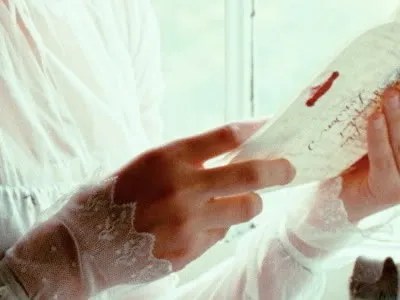
It’s a tricky matter, using esteemed literary figures, real or imagined, as central characters in films. There is an overwhelming urge to make sure that every utterance from their mouth lives up to the lofty standards of their reputation, that every line is appropriately literary, noticeably tinged with with the genius of someone adept at turning mere words into music. Among many triumphs in Jane Campion’s Bright Star, the most impressive to me is the way she manages to sidestep this commonplace problem in the depiction of the romance between Fanny Brawne and revered poet John Keats. In Campion’s tender screenplay Keats still speaks poetically, but she thoughtfully manages to make this revelatory of his being rather than a shorthand affectation that stands in place of proper character development. He exposes the heartfelt wanderings of his moody soul through what he says. It’s not just perfunctory proof of the inevitable inclusion of his works in some future Norton anthology. The use of language becomes, properly, its own sort of epic sweep. There’s a potent sense of how people could become enamored with each through the sheer potency of their communication. That sense is aided immeasurably by the performers in the leading roles. Ben Whishaw captures the inspiration of Keats, but also signal some misgivings and uncertainty, as if he himself doesn’t fully grasp the extent of his talent. As Brawne, Abbie Cornish is luminous and headstrong. She is in some ways the perfect Campion heroine: irresistibly beautiful specifically because of the unyielding strength of her personality.
(Posted simultaneously to “Jelly-Town!”)
Discover more from Coffee for Two
Subscribe to get the latest posts sent to your email.
 Coffee for Two