Gary Coleman was the first actor I knew by name. I’ve been mulling that over for the past day, and I think it’s true. He was a kid when I was a kid, but he was also a star. When I watched most TV shows at that time, I was thinking about them strictly in terms of characters–Archie Bunker or Arthur Fonzarelli. But when I watched Gary Coleman in something, I was always aware that I was watching him, a kid like me.
I was eight-years-old when Diff’rent Strokes debuted on NBC, and even a little bit younger when I watched him in showstopping appearances on Norman Lear’s The Jeffersons and Good Times, guest turns that undoubtedly inspired television executives to build a sitcom around him. Coleman was two years older than me, but usually playing younger, a pretty commonplace practice for younger actors that was further necessitated by Coleman’s diminutive size. He had lifelong problems with his kidneys, including a transplant when he was five-years-old. The medical issues stunted his growth, keeping him at the perfect size to be fed lines of alternating sass and preciousness by sitcom writers. Coleman’s onscreen persona was like the id of childhood, talking back to adults, constantly proving he could outwit them, delivering endearingly bratty putdowns in the process. He asserted himself by deflating the powerful adults around him. He only talked back because he could out-talk anyone.
I related to him, and was a fan in my childhood. I badgered family members to take me to the theater when he starred in his own movie. I even checked out the autobiography he “co-wrote” with his family from the school library and read through it. I did outgrow all that fairly quickly, though, taking advantage of largely unsupervised access to HBO to develop a taste for more mature, worthier fare. As a viewer, I was allowed to grow up in way that wasn’t extended to Coleman, stuck playing Arnold Jackson and spitting out his sassy childhood catch phrase until just before his eighteenth birthday. I watched reruns of Diff’rent Strokes in college and the years just beyond it, enjoying them ironically, happily proclaiming my adulthood by mocking the favorite fare of my youth. By then, the child actors from the show were already beginning their problematic journeys through the afterlife of celebrity, with Todd Bridges and Dana Plato in trouble with the law and Coleman himself suing his parents for misappropriation of the ample money he’d earned up to that point. Perversely, that only it made it more appealing to throw barbs at the screen while watching them in their former televised glory.
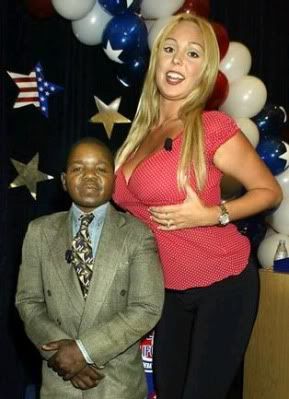
It was unpleasant to consider Coleman’s place in the culture after that. He had celebrity without opportunity, fame without fortune (of either the fiscal or fortuitousness definitions). The only acting work afforded him, it seemed, involved self-mockery. His most high-profile exploit in recent years was running for governor of California as a stunt. He was usually paired with the porn star who was also on the ballot for reasons that had more to do with publicity than politics.
Mark Evanier wrote about Coleman’s death, noting that “Gary was a star not because of what he did (i.e., act) but because of what he was.” That’s a tough burden to carry, albeit one fully in step with our current culture of people who are famous for being famous. Coleman, it seemed, had nowhere to go and no way to escape his own circumstances anyway. He had everything wrenched away from him, and when nothing else was left, they came for his dignity. It was so long ago that I sat in front of a big console TV and watched him with plain appreciation. I can remember it, though, and I’m glad that I can.
Discover more from Coffee for Two
Subscribe to get the latest posts sent to your email.
 Coffee for Two