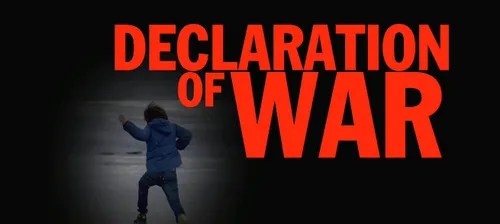
There is a creative exuberance to Valérie Donzelli’s Declaration of War that stands in beautifully paradoxical contrast to the smothering sorrow of its subject matter. Donzelli and Jérémie Elkaïm play a French couple with classically familiar names, Juliette and Roméo. They meet, fall in love and marry through the popping wonder of movie montage techniques. They also have a son, their idyllic shared life apparently progressing exactly as expected, at least until they discover–belatedly, painfully–that the boy is cursed with a brain tumor, setting into motion an almost unfathomable existence marked by constant treatment and visitations done over a crib in a hospital room. It is naturally tragic material, but Donzelli doesn’t shift the tone accordingly, instead preferring to shape the film with the sort of effusively evident style pioneered by the New Wave practitioners of her homeland decades earlier. For a film that could have easily, understandably become relentlessly maudlin–especially given the reports that the story shaped by the two lead performers is highly autobiographical–Declaration of War finds sharper truths by going in the exact opposite direction. It’s not joyous, not at all. In fact, nothing is more clear in the film than the inescapable nature of the living agony of the parents, who can’t go anywhere without reminders of their son’s dire condition, often in the form of well-meaning expressions of sympathy. Conveying this hard reality with an approach that resounds with the exploratory powers of cinema itself, Donzelli gives the film a disarming emotional resonance that achieves more than any amount of fervently committed manipulation ever could.
Discover more from Coffee for Two
Subscribe to get the latest posts sent to your email.
 Coffee for Two