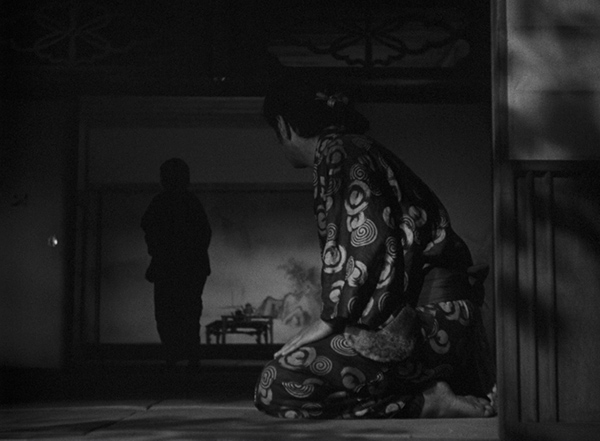
Ugetsu (Kenji Mizoguchi, 1953). Drawn from stories in the eighteenth century collection Ugetsu Monogatari, by Ueda Akinari, Kenji Mizoguchi’s film proceeds like a hazy dream that’s periodically jarred into wakefulness by jolts of pointed pragmatism. Set in the time when earning a post as a samurai was the height of upper mobility, Ugetsu examine the ways in which people — men, really — became trapped in bad situations because of their own misguided dissatisfaction with perfectly respectable accomplishments. Mizoguchi directs with empathy and wisdom, lingering over scenes in a manner intended to evoke the experience of perusing storytelling scrolls. Though hardly a film that gets the pulse racing, Ugetsu has a weighty power, settling comfortably among that many other achievements of postwar Japanese cinema.
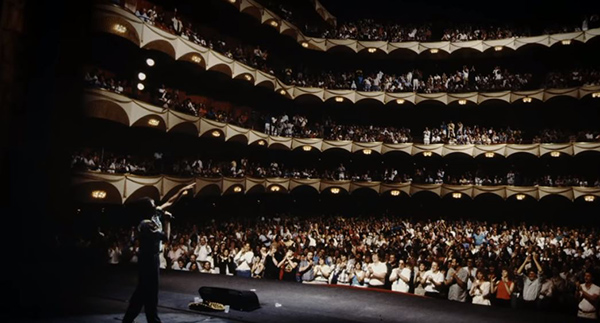
Robin Williams: Come Inside My Mind (Marina Zenovich, 2018). Filmmaker Marina Zenovich doesn’t limited herself to documentaries about entertainment figures that scrape away and and all complications, but it’s definitely a specialty. After soft-pedaling Roman Polanski’s crimes and somehow making Richard Pryor seem smaller than life, she turns her attention to the legacy of Robin Williams. As with the Pryor documentary, Come Inside My Mind mostly skims across career highlights, with talking head remembrances that rarely deepen the insight. Zenovich at least has the benefit of ample archival footage of Williams in action, and his live wire performance works particularly well carved into segments. Occasionally, Zenovich couples together the pieces with a kinetic energy that almost mimics the distractible leaps of Williams’s own comedic intellect. That’s probably inadvertent, though, a lucky byproduct of the attempt to smush a forty year career into a two hour movie.
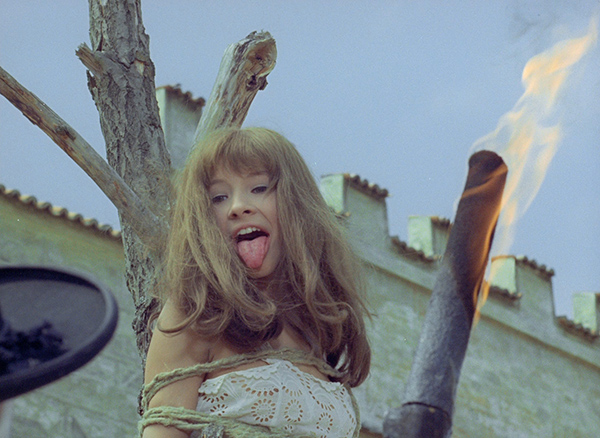
Valerie and Her Week of Wonders (Jaromil Jireš, 1970). Yes, I think it is fair to say that Valerie experiences a distinctly notable seven days. This signature offering from the Czechoslovak New Wave movement — similar to the roughly concurrent French cinematic trend of the same name, but reacting to a much rougher political and social landscape — is trippy and disturbing. Adapted from surrealist Vítězslav Nezval’s novel of the same name, Valerie and Her Week of Wonders follows the title character (Jaroslava Schallerová) as she endures an especially tumultuous journey of self-discovery, complete with twisty familial discoveries and vampiric predators. The film is vivid, warped, elusive, and precisely the sort of the product that less daring moviegoers once imagined with dread when the possibility of venturing to an arthouse theater was broached. I present the last observation with no ill judgment. Much as I enjoyed it, Valerie and Her Week of Wonders is proudly impenetrable. Director Jaromil Jireš fills the screen with so many brashly divergent ideas that he practically encourages intellectual exhaustion.
Discover more from Coffee for Two
Subscribe to get the latest posts sent to your email.
 Coffee for Two