
Shirkers (Sandi Tan, 2018). This documentary traces a guerilla attempt at filmmaking by a group of teenagers and their somewhat skeevy teacher in Singapore, in the early nineteen-nineties. Essentially a cinematic memoir of embitterment and gradual self-discovery by Sandi Tan, Shirkers abounds with ingenuity. Tan intercuts footage of the original film (also called Shirkers) that was lost for years with modern reminiscences about the whole process, including emerging revelations on the toxicity that was in play in and around the shoot. The recovered material is consistently striking, offering visual premonitions of the precise whimsy of Wes Anderson or Paul King while tonally recalling the offhand absurdity of early Jim Jarmusch. But for all the testimony about its latent genius, there are also clear indications that the film would have been hampered by its amateur origins. It’s the retrospection that gives Shirkers its power and poignancy, especially in the documentary’s closing rumination on the value of preserving moments of youth when personal bonds are intense and all dreams seem possible.
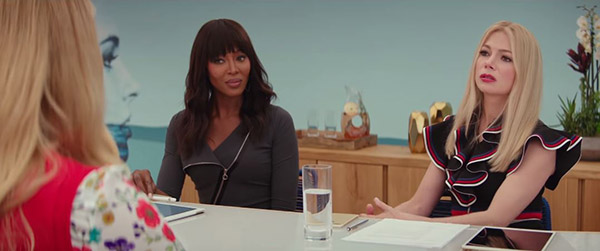
I Feel Pretty (Abby Kohn and Mark Silverstein, 2018). The feature directorial debut from the screenwriting duo behind Never Been Kissed and a cluster of similarly high concept romantic comedies that beg to be avoided, I Feel Pretty aspires to some broader social commentary around its gimmick. It’s ultimately too muddled to deliver any effective arguments, though, making it a perpetrator of the sort of inane surface-level judgments it supposedly condemns. Amy Schumer plays an aspiring fashion industry worker hampered by her glum appraisal of her own beauty. A conk on the head jumbles her perception. Her appearance is unchanged, but when she looks in the mirror she sees a knockout, and the film charts the upward personal and professional movement she enjoys mostly, it seems, because her confidence spikes. Abby Kohn and Mark Silverstein are perfunctorily capable as directors, but deserve credit for casting Michelle Williams against expectations in a broadly comic role. Adopting a wispy, high voice and a stiff yet needy demeanor, Williams is thoroughly engaging, the film’s sole winning attribute.
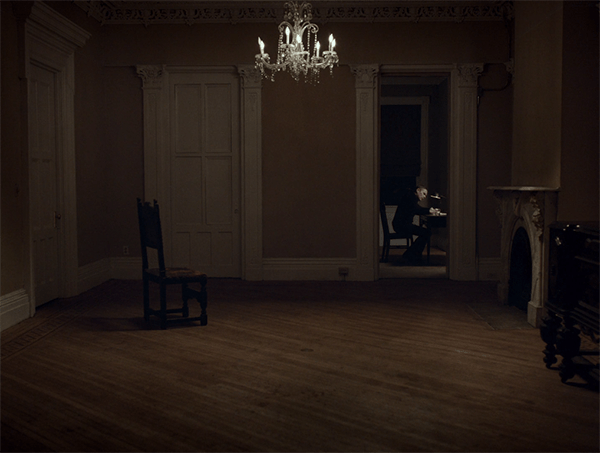
First Reformed (Paul Schrader, 2018). In a striking, flawed artistic comeback after several years adrift, Paul Schrader cribs liberally from preceding cinematic depictions of religious leaders (particularly classics by gloomy European masters) and injects the material with the grinding nihilism that comes with residing on a planet being made uninhabitable by humanity’s harsh hubris. Reverend Toller (Ethan Hawke) is charged with presiding over a dinky church with a dwindling congregation. He is sinking into physical disrepair and psychological distress, which Schrader depicts with bracing acuity. For most of its running time, First Reformed is insightful and starkly potent. Then the third act arrives and the film veers into bonkers thematic tumult that echoes the trajectories of any number of Schrader’s many protagonists over the years. Charitably viewed as a honoring of signature, the closing stretch instead plays to me as a roughshod recycling that betrays an absence of ideas. The considerable strength of all that precedes it is sadly undermined.
Discover more from Coffee for Two
Subscribe to get the latest posts sent to your email.
 Coffee for Two