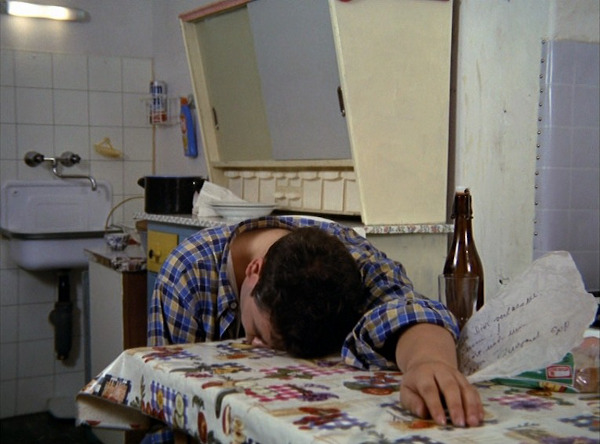
The Merchant of Four Seasons (Rainer Werner Fassbinder, 1972). Generally considered the film that established Rainer Werner Fassbinder as a significant cinematic figure outside of his home base of West Germany, The Merchant of Four Seasons follows the travails of the title street vendor (Hans Hirschmüller). After returning from a stint in the French Foreign Legion, he settles into a rough and ragged existence often marked by self-destructive attempts to salve his emotional pain through heavy drinking, extramarital affairs, and other bad decisions. Fassbinder is delicate yet ruthless in his storytelling; the restraint he shows makes the moments of hardship, whether physical collapse or the scathing assessments rendered by others, all the more brutal. The characteristic European chill in the storytelling can be a little distancing, but the complexity of the work ultimately holds the attention.
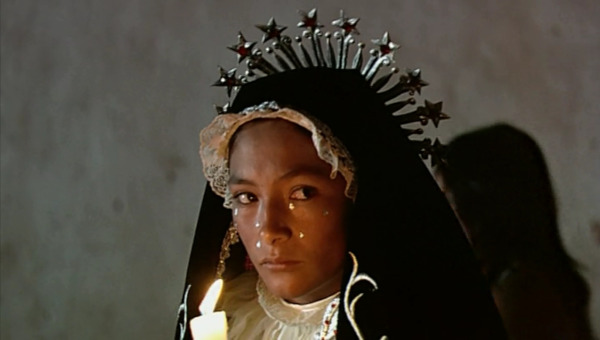
Madeinusa (Claudia Llosa, 2005). Writer-director Claudia Llosa’s debut feature is set in a Peruvian mountain village where they engage in a yearly ritual of debauchery based on the concept that God is deceased during the time between Good Friday and Easter and is therefore not watching. The celebration is purely a work of fiction, but it’s no more implausible than the prosperity gospel or other rationalizations the pious invent to hedonistically engages in behaviors and beliefs that are clearly in direct opposition to biblical guidance. That truth alone gives Madeinusa some added bite. There’s plenty more tough commentary to be found, though, as Llosa’s themes offers condemnation of patriarchal cruelty and colonialism. if the metaphors are sometimes elusive, the film is clearly brimming with ideas and the storytelling is distinctive for its tenacity and empathy.
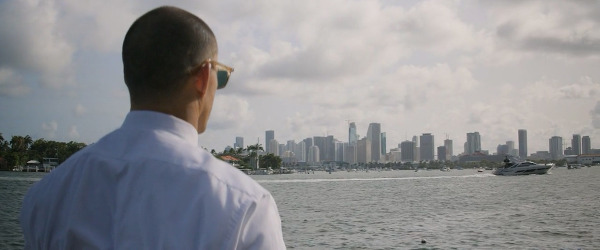
Magic Mike’s Last Dance (Steven Soderbergh, 2023). After leaving the shot-calling to longtime collaborator Gregory Jacobs on a middling sequel, Steven Soderbergh returns to the director role for the third and presumably final installment in the saga of Michael “Magic Mike” Lane (Channing Tatum). Despite the expected muscularity of the requisite dance sequences, Magic Mike’s Last Dance finds everyone barely trying. The plot is thin as a G-string, halfheartedly put in place as an excuse to get Mike to London, where he’s charged with changing a theater production from a stuffy drawing room to a sexy, dance-based extravaganza. The set pieces, whether on stage or on a British bus, are clearly the only things that engage Soderbergh as a craftsman. Everything else in the film is handled is a desultory manner. As the neglected wife of a tycoon, Salma Hayek Pinault art least has a few moments of impressive intensity, but the character is too all over the place for her to wrangle.
Discover more from Coffee for Two
Subscribe to get the latest posts sent to your email.
 Coffee for Two