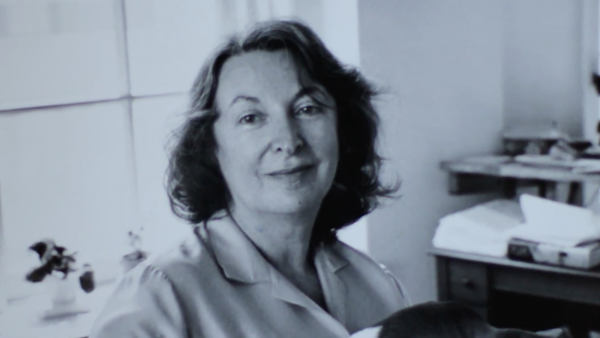
What She Said: The Art of Pauline Kael (Rob Garver, 2018).This documentary traces the life and career of one of the most formidable film critics to ever amass column inches. From her perch at The New Yorker, Pauline Kael helped set the conventional wisdom on U.S. and international cinema during the boom years of daring artistry that really started in the nineteen-sixties. Director Rob Garver highlights that well. His acknowledgements of Kael’s detractors and possible failings are less compelling, often presented with a tone of tolerating the grumps who had grievances because she disparaged their screen works. That’s standard operating procedure for this sort of documentary, but it feels somewhat at odds with the subject’s renowned tartness. Still, it’s assembled well overall, including a succession of film clips that put into perspective how many thrilling films she was able to cast her critical eye on.
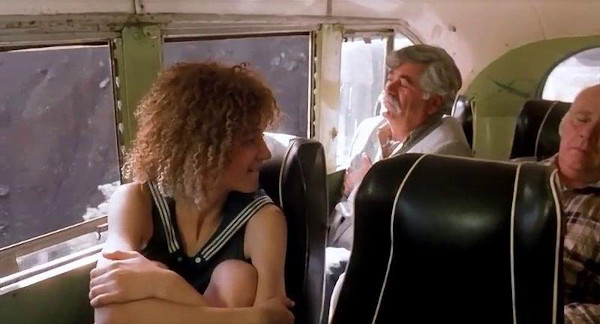
27 Missing Kisses (Nana Jorjadze, 2001). This coming of age film is set in a humble town in the nation of Georgia, where a teenage boy comes under the thrall of a buoyant visitor name Sybilla (Nutsa Kukhianidze). She’s fourteen and just testing out her womanhood, a process that includes testing flirtations with older men. The basic plot is thin, and the math around the characters ages can help but make certain elements feel a little skeezy, even if — or maybe especially because — it bears a unmistakable feel of autobiography. Writer-director Nana Jorjadze does have quite an eye, though. The film is packed with cleverly constructed shots of striking beauty, especially in all the many sequences that involve a ship that is hauled around on dry land because its captain (Pierre Richard) has misplaced the sea. Kukhianidze is vibrant in his first film role.
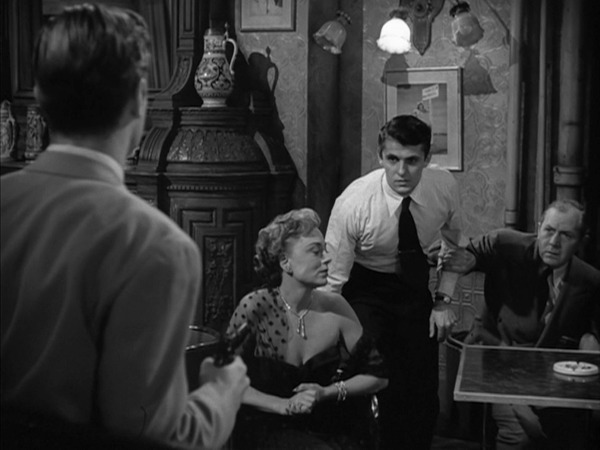
Dial 1119 (Gerald Mayer, 1950). In this lean, taut thriller, a serenely disturbed man named Gunther Wyckoff (Marshall Thompson) escapes from an asylum and returns to his hometown with designs on revenge against the therapist (Sam Levene) whose testimony got him locked away. To lure the doctor out, Gunther takes a tavern full of barflies hostage. Director Gerald Mayer, whose last name offers some clue as to how he got hired by Metro-Goldwyn-Mayer Studios, keeps the proceedings appropriate grim and cynical. The screenplay, credited to John Monks Jr., shrewdly lampoons the news media and has a similarly sidelong view of public officials. On the latter, it’s maybe the finest cinematic expression of municipal employee cantankerous until The Taking of Pelham One Two Three. There are a pair of ver nice performances: Virginia Field as an especially boozy patron, and William Conrad as a gruff barkeep ironically named Chuckles.
Discover more from Coffee for Two
Subscribe to get the latest posts sent to your email.
 Coffee for Two