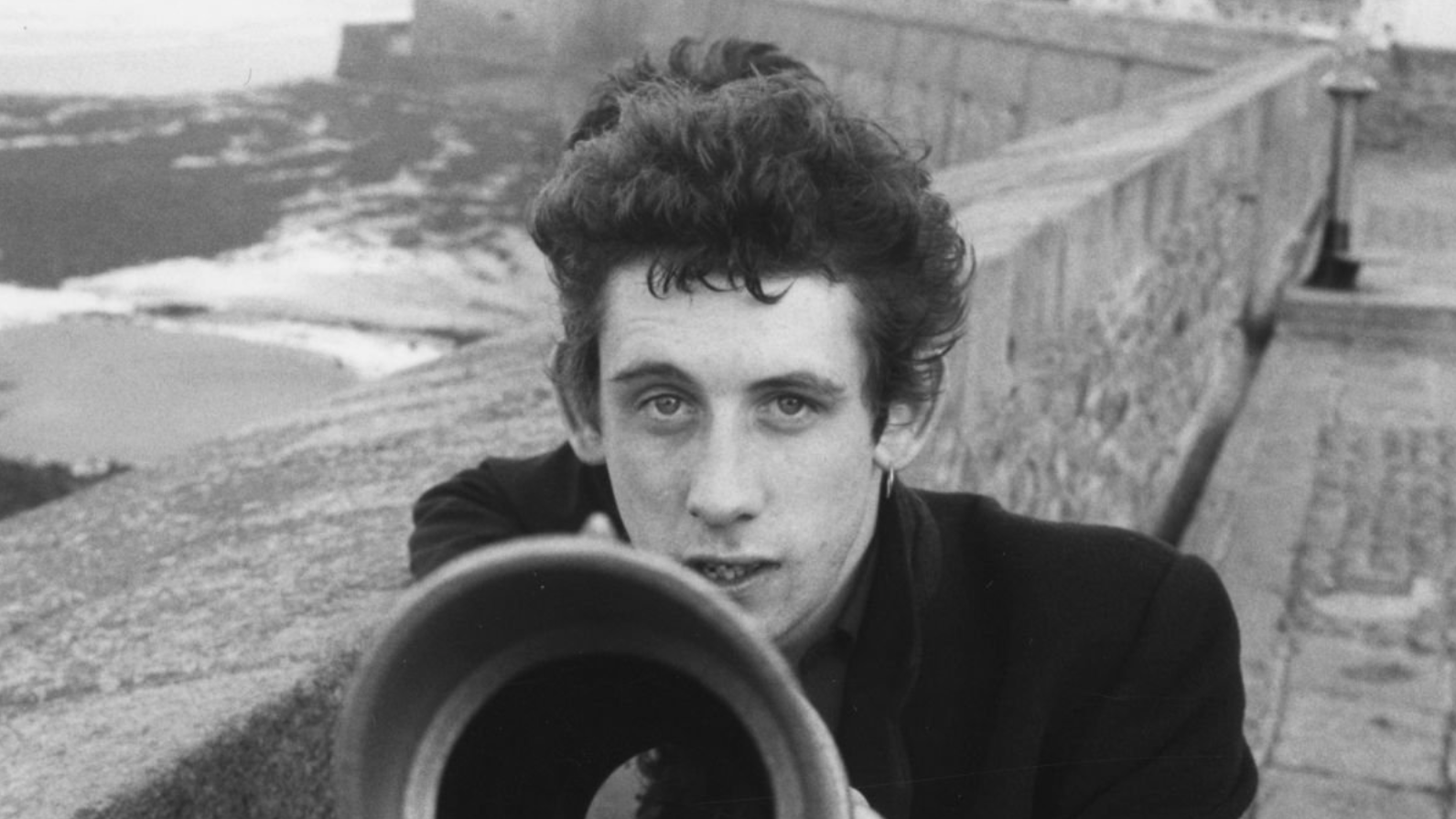
Midway through the day and into early evening, none of the festival attendees knew if Shane MacGowan was going to show up for his scheduled set. There were all sorts of reasons to surmise that the onetime Pogues frontman would be prone to sketchy reliability; in this instance, there were distinct rumors wafting about the grounds that he hadn’t even crossed into the country yet, a few hours ahead of the showtime that made him among the last performers to take the stage at an all-day music extravaganza sponsored by Guinness and held at an idle horse racing track on the outskirts of Chicago. It was the late nineteen-nineties, so there were no smartphones nor social media to consult for updates on MacGowan’s whereabouts. Everything was hearsay. A guy two blankets down talked loudly while Saw Doctors were playing about another guy in the beer line telling him that he’d eavesdropped on a conversation between festival organizers about MacGowan being detained by Irish authorities. Maybe it was paperwork problems, maybe MacGowan was too inebriated to be allowed on an airplane, or maybe there’d been a fatality at his house. Every wild notion seemed plausible, even inevitable.
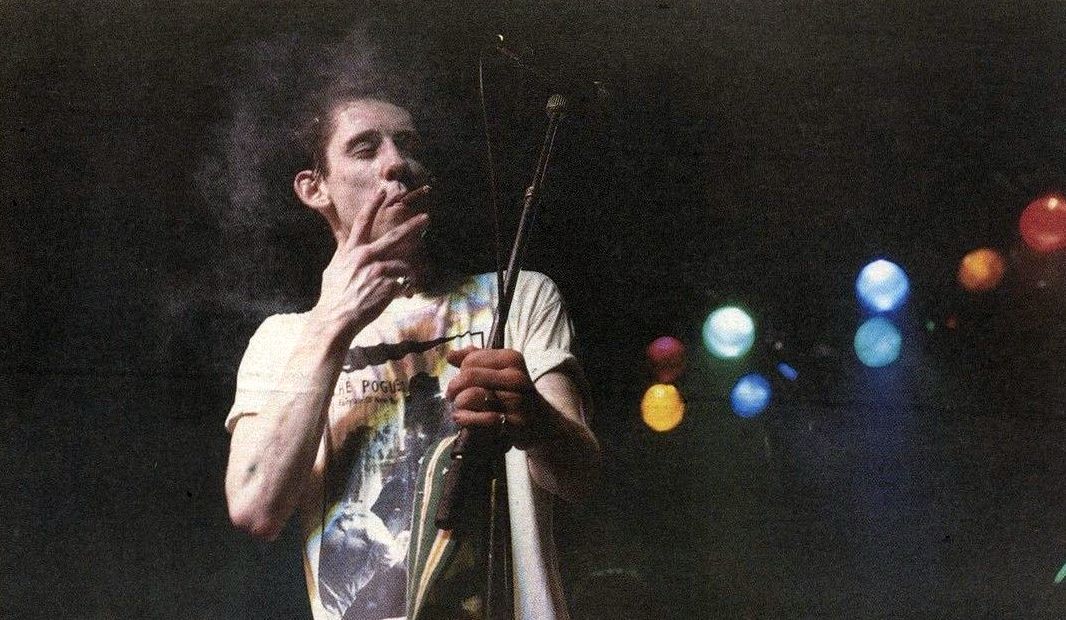
MacGowan did show up. Maybe his appearance was never really in doubt. He led the Popes, his backing band at the time, though a blistering set that drew on proper punk rock and classic Irish folk in more or less equal measure, as if he didn’t really recognize any difference between the two diametrically opposed musical forms. He teetered at the microphone as he downed one and then another jug of some unidentified booze and frantic road crew members brought him fresh, lit cigarettes the way the same staff for others artists might swap out guitars. At one point, he left the stage for a break as the Popes kept blasting away, and he very nearly tumbled headlong down the steps. Even when MacGowan wasn’t slurring the lyrics to the point that they were nearly incomprehensible, his vocals were akin to the sound of gravel spinning in a clothes dryer. It’s one my favorite concert performances I’ve ever witnessed.
The Pogues were a beloved band at my college radio station, and MacGowan had the aura of legend in his role as their primary vocalist. I sometimes regret that our admiration for him was so mightily fueled by his prodigious alcohol consumption, which could make him seem like a mythical creature. That he endured at all struck us as an impossible feat. He was like Rasputin reincarnated into a skinny, Irish hooligan who was more cirrhosis than man. Much as that danger in his very being added to his magnetism, his songwriting is what kept bringing us back to the records. The reeling “If I Should Fall from Grace with God,” the poignant “The Broad Majestic Shannon,” the knuckle-tough “White City,” the grand Christy Brown tribute “Down All the Days,” the heartrending “The Ghost of a Smile” were all playlist staples for me and my crew. Like everything that MacGowan signed his name to, those cuts were imbued with authenticity. Matched with MacGowan’s performances, they were uncommonly pure.
I think that raw truthfulness is why MacGowan was often most effective when what he created was achingly delicate. More than most artists, it felt like he truly earned his vulnerability. He put himself out in the world as a reverberating, exposed nerve. All his blazing recklessness and wounded romanticism was on display for all the world to hear. Put his roughened bearing against Sinéad O’Connor’s pristine precision on the beautiful song “Haunted” (“I’ll build my world around you/ I’ll bless the day that I found you/ I’ll stay beside you and I’ll never leave/ Or tell you all those lies you’d never believe”), and it’s more than magic. It burrows right into the soul. That was MacGowan’s specialty.
Discover more from Coffee for Two
Subscribe to get the latest posts sent to your email.
 Coffee for Two