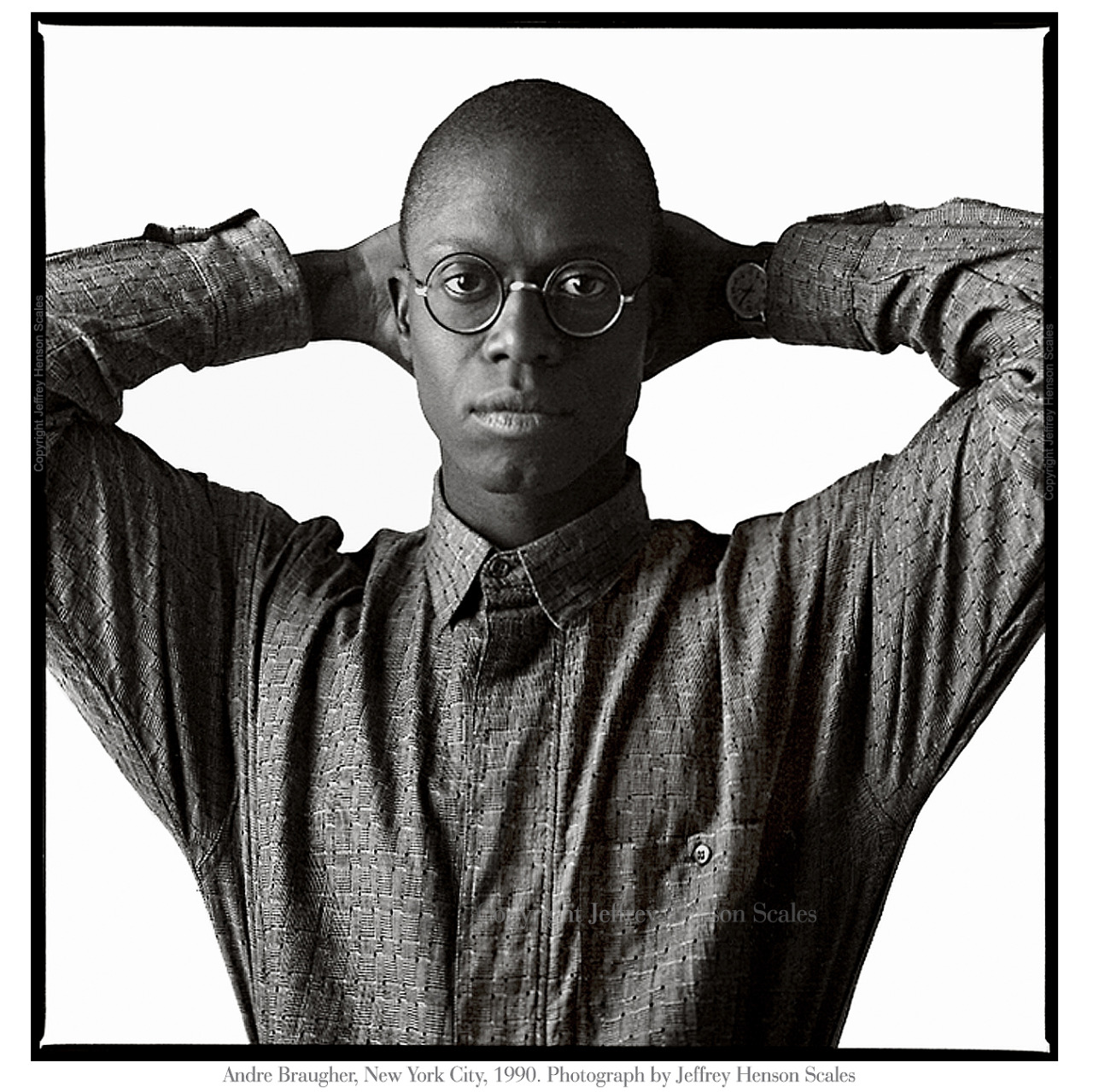
In the summer of 1996, Andre Braugher took advantage of the hiatus between seasons of Homicide: Life on the Street to star in a New York production of Henry V. The occasion prompted The New Yorker to include a blurb that described his acting on the NBC police drama:
As Detective Frank Pembleton, Braugher sports a gleaming bald dome and has a jazz soloist’s restless attack: he plays words like bebop notes. He declaims with such brainy, lassoing ease that he leaves his costars looking dense, and he turns the show’s interrogation scenes into psychodramatic endurance tests, in which he mocks and cajoles the suspects, endures their racial taunts, and brings them (and sometimes himself) to the brink of breakdown.
In this quick assessment of Braugher’s work in his signature role, the uniqueness of his talent is nicely encapsulated. Because he rose to prominence on Homicide, Braugher was often seen as a powerhouse, someone whose formidable presence was intimidating. That quality is there, sure. Loads of actors can play that trick. It’s the nimbleness of his approach that makes his acting so magnetic, so resonant. It’s the “play words like bebop notes” part that few others could manage.
Due to the constraints of the era (and significant competing demands on my time), Homicide: Life on the Street was not a program I watched often. I offer this detail to underline how sharply Braugher stood out on the show. Even seeing only a handful of episodes, none of which were among those routinely cited as standouts, I recognized that Braugher was incredible. Melding technical prowess with naturalistic ease, he routinely walked away with scenes. He was north to the viewer’s compass, drawing focus at all times.
“The show began as an ensemble piece,” Homicide producer Tom Fontana told The New York Times Magazine. “And it became The Andre Braugher Show. All the writers wanted to write for him because he was great and because they wanted to see if they could screw him up, throw him off his game.”
Given the strength of Braugher’s presence, opportunities to act in film were shockingly rare, and what came his way was usually beneath his abilities. Then, when he did get a part with some substance, he could made it look too easy. He has plenty to do as New York Times editor Dean Baquet in She Said, the recent dramatization of the newspaper’s journalistic efforts to uncover Harvey Weinstein’s many crimes, and he cruises through the scenes in such a way that it doesn’t feel like acting. It’s like he’s actually working the job his portraying as he guides his staff and takes charge of teleconference meetings.
Maybe the real reason Braugher prospered more in television is that the longform medium allowed writers to play to his strengths. That was certainly the case with the extended comic masterpiece Braugher delivered in playing Captain Raymond Holt on Brooklyn Nine-Nine. It was obvious that the creators of the sitcom were initially elated to have an actor like Braugher in their cast, and they often wrote his character as a fearsome figure who could be an antagonist and straight man to the wackier characters populating the precinct. It didn’t take long, though, before they figured out that Braugher could drive the comedy with the consistency of his character building and his skill for putting precisely calculated spin on a line reading. Sometimes, that meant exploiting his dramatic chops, giving him a pile-up of dense, ornate language to monologue or crafting a callback to his celebrated interrogation scenes on Homicide. More often, they nailed a scene by simply affording him a moment of stentorian silliness. Give him a list of hula hoop moves to slyly recite, and comedy gold has been forged.
On screen, Braugher was a force. He was also deft. He gave the impression that he could do anything. Isn’t that what all actors hope to do?
Discover more from Coffee for Two
Subscribe to get the latest posts sent to your email.
 Coffee for Two