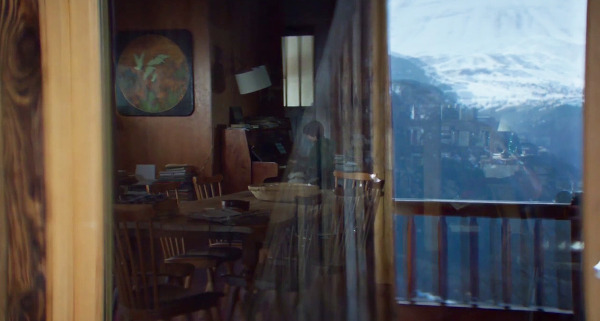
Anatomy of a Fall (Justine Triet, 2023). At a remote home in the French Alps, a man named Samuel (Samuel Theis) is found dead atop the snow-packed ground in front of his house. The cause is clearly a plummet from an attic window, but the authorities decide that whether it was an accident or a murderous act is up for debate. The soon lock in on the latter theory and charge Samuel’s wife, Sandra (Sandra Hüller) with the crime. Co-written and directed by Justine Triet, Anatomy of a Fall follows Sandra’s trek through the French justice system, including precisely antagonistic courtroom presentations. As a legal drama, Triet’s film is gripping and given heft by exemplary acting by Hüller, Swann Arlaud as her lawyer, and Milo Machado Graner as Sandra’s visually impaired son. It goes deeper than that, though, to become a tempered consideration of the way truth is elusive and subjective, which in this instance is illustrated by the way the most commonplace conflicts in a relationship can be made to look damning with just the slightest bend of the lens they’re viewing through. Triet’s filmmaking is done with remarkable craft and care.
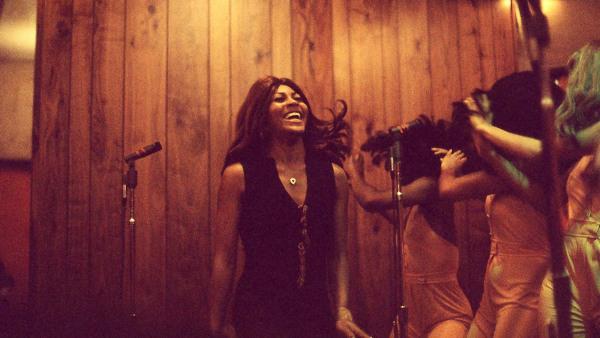
Tina (Daniel Lindsay and T.J. Martin, 2021). This solid documentary takes full advantage of the abundance of footage of Tina Turner captured in one sensational performance after another. The darker days of Turner’s history are certainly present in the film, most notably is another telling of one of the most famous escapes from domestic abuse ever relayed. The main thrust is a celebration of her riotous talent and blazing stage charisma. At times, it almost seems as if directors Daniel Lindsay and T.J. Martin are so enthralled by Turner’s performing acumen that they occasionally lose the handle on their own storytelling. If anything, Tina undersells how much tireless work it took for Turner to mount that comeback that allowed her to escape her post-divorce relegation to the outskirts of show business and become one of the biggest stars of the nineteen-eighties and take her due as a living legend. The film isn’t as commanding as its subject, but, to be fair, maybe that’s asking too much.
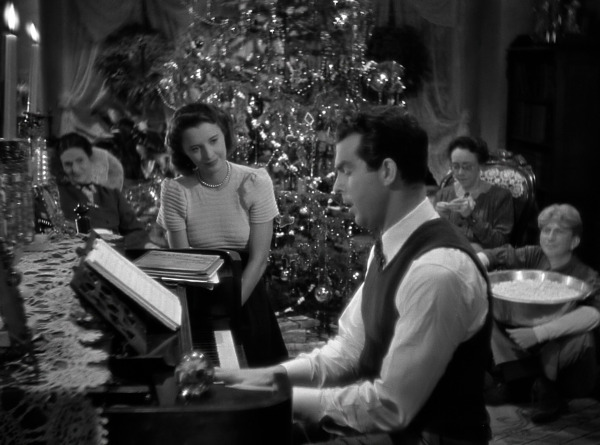
Remember the Night (Mitchell Leisen, 1940). In Remember the Night, Barbara Stanwyck establishes a career-long specialty of running circles around poor Fred MacMurray. Just four years before she played him for a patsy in Billy Wilder’s masterful Double Indemnity, Stanwyck plays a Lee Leander, a common thief who’s charged in court by MacMurray’s up-and-coming assistant district attorney. Feeling sorry for her, the prosecutor pulls some strings to see to it that she won’t spend Christmas in lockup, which leads to a series of events that finds Lee spending the holidays with him and his homespun family. The plot doesn’t make a lick of sense, so director Mitchell Leisen shrewdly keeps the tempo bright and frothy, like an It Happened One Night with a petty criminal instead of a runaway heiress. That approach suits the characteristically snappy dialogue in the Preston Sturges screenplay. In a manner that seem ahead of its time, Remember the Night suggests that Lee is a chronic law-breaker because of the emotional unkindness of her own family, and Stanwyck is the ideal actress of that era to show how a tough customer can also be a wounded softie.
Discover more from Coffee for Two
Subscribe to get the latest posts sent to your email.
 Coffee for Two