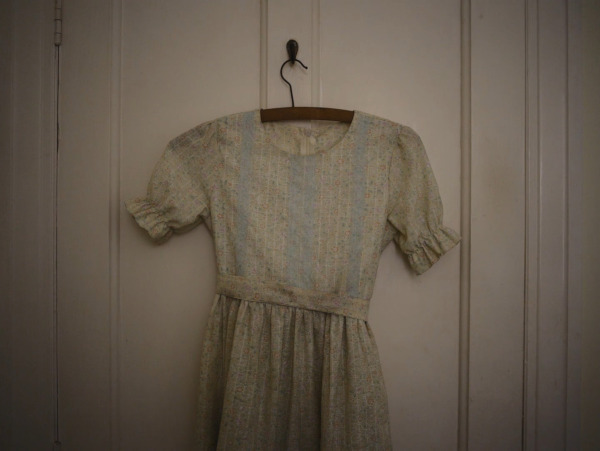
The Quiet Girl (Colm Bairéad, 2022). This murmured drama presents a tale of a miserable Irish childhood (there seems to be an endless supply of such stories) with an uncommon tenderness that spins it from grim to almost nostalgically melancholy. Set in the early nineteen-eighties, the film follows Cáit (Catherine Clinch), a nine-year-old girl whose neglectful immediate family sends her away from the summer to live with distant relatives, a middle-aged couple named Eibhlín (Carrie Crowley) and Seán (Andrew Bennett). The couple are kind, though their emotions are stifled by the lasting grief over the death of the child some time earlier. Gradually, movingly, the three develop a warm family unit, even as they collectively know that there’s an end point to their time together. Writer-director Colm Bairéad, adapting a novella by Claire Keegan, works with care and compassion. The film is deliberated muted, seemingly in an attempt to avoid lapsing into the sort of overly manipulative storytelling that is enticingly at the ready. The restraint can sometimes make The Quiet Girl seem a little too soft, but Bairéad’s approach mostly gives the material a shimmering poignancy.
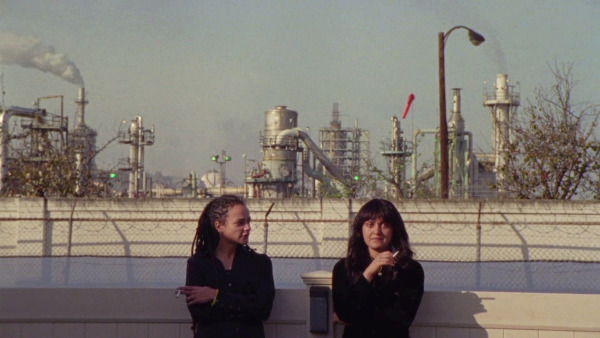
How to Blow Up a Pipeline (Daniel Goldhaber, 2023). Vigorously lousy, this supposedly provocative drama is drastically damaged by its twisty character sketches, presented in flashback, that provide glib motivations for the various characters’ radical activism. The narrative around those interruptions isn’t great either. Everything about the group of activists plotting and implementing a terrorist action against the fossil fuel industry is dour and emotionally bereft. How to Blow Up a Pipeline is based on a nonfiction book about radical activism, and the film collapses under the strain of creating a fictional feature narrative to carry the the thrills and danger of engaging in fervent fights against a corrupt, uncaring power structure. The actors are left so adrift by the thinly realized characterizations that the performances come across as amateurish, and Daniel Goldhaber’s ramshackle direction seeps away what little tension is present in the story.
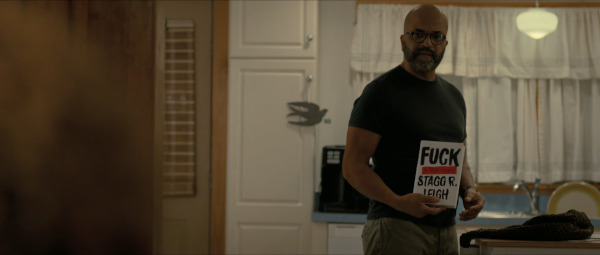
American Fiction (Cord Jefferson, 2023). For his feature directorial debut, Cord Jefferson adapts Percival Everett satiric novel Erasure into a cynical comedy about an acclaimed author (Jeffrey Wright) who can’t find a taker for his latest serious-minded work but hits the publishing jackpot with a pandering novel stuffed with stereotypes that he submits under a pseudonym. The swipes at the cultural commodification of Black misery and persecution are fairly successful, but the more pointed commentary is regularly shunted aside in favor of lukewarm familial and relationship drama. Even as a decent amount of comedy lands, American Fiction doesn’t generate any momentum. It drifts from scene to scene. The film has successful moments that don’t cohere. When it culminates in a metafictional spinning wheel, it’s less thrillingly inventive than muddy and confused. The performances are strong across the cast, with Sterling K. Brown and Issa Rae as particular standouts.
Discover more from Coffee for Two
Subscribe to get the latest posts sent to your email.
 Coffee for Two