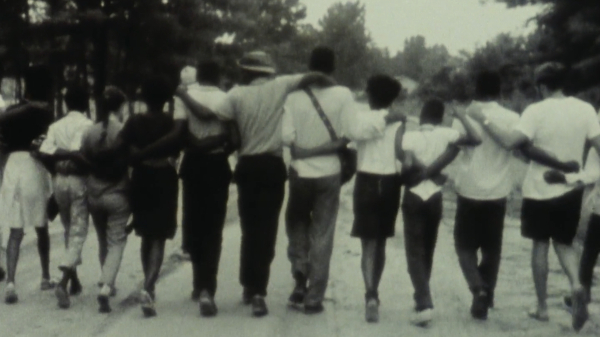
Freedom on My Mind (Connie Field and Marilyn Mulford, 1994). This documentary arrived only thirty years after the events it depicts, but there were plenty of people in the U.S. who were determined to treat the issues within as distant, settled history. Directors Connie Field and Marilyn Mulford take a tried-and-true approach to their examination of voter registration efforts that took place in Mississippi during the first half of the nineteen-sixties. They employ a carefully assembled mix of archival footage and contemporary interviews to fill in the details of a fraught, dangerous time for citizens who were simply asserting they deserved the opportunity to exercise their most fundamental rights. Maybe the greatest service the filmmakers do is to give some of the movement’s contributors a chance to more expansively reflect on their own experiences, including some digressions that might have been shorn away by documentarians more invested in preserving a veneer of nobility. The choice gives Freedom on My Mind a welcome blast of personality and its subjects the opportunity to be their truest, most human selves.

The Fall Guy (David Leitch, 2024). Circa 1991, Premiere published a small trend article noting the spate of recent action-comedy mediocrities that built running gags around the protagonist’s inability to get a cup of coffee, all-time stinkers The January Man and Hudson Hawk among them. It wasn’t simply a mere coincidence, the writer noted, but instead represented an alarming dearth of ideas from the filmmakers. A quick, unfunny gag was used in place of real character development. In The Fall Guy, stuntman Colt Seavers (Ryan Gosling) has a devil of a time getting a cup of hot caffeine when he arrives on the Australian set of dystopian blockbuster Metalstorm (directed by his old flame, played by Emily Blunt), and the accuracy of that old Premiere piece is proved anew. The Fall Guy is such a mess. It’s an action film, a romcom, a Hollywood satire, a murder mystery, and a meta-commentary on itself and the industry’s lack of respect for stunt work, doing none of them well. Gosling and Blunt get by on charm, but nearly every other performer overacts to embarrassing degrees. A couple of the stunt set pieces are ingeniously staged, but director David Leitch often blunts their momentum by cutting too aggressively between the various narrative strands. Leitch’s paean to stuntmen ironically winds up arguing that they’re not worthy of sustained attention when there are other plots and performers to check in on.
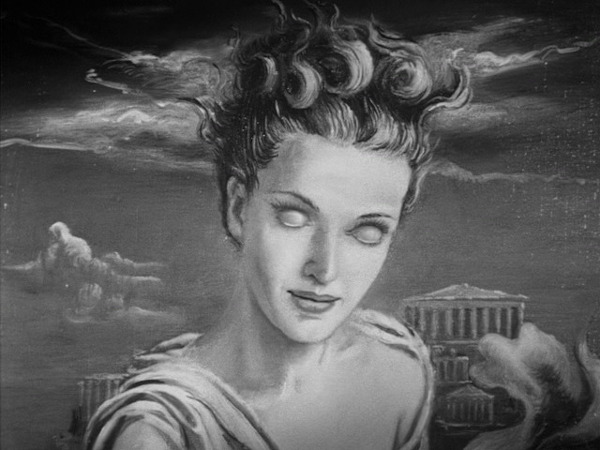
The Locket (John Brahm, 1946). This fun, twisty film noir boasts a lead performance by Laraine Day that’s a sly stunner. Day plays Nancy, a woman whose wedding day is disrupted by the appearance of a stern-faced psychiatrist (Brian Aherne) who claims to be her ex-husband and spins a tale of the bride’s past that’s filled with acts of kleptomania and duplicity. Built with flashbacks with flashbacks, like some sort of narrative nesting doll, The Locket skillfully allows space for Day’s character to introduce ambiguity to stories about her wayward past; she counters every revelation of past malfeasance with a contrary view of events that she relays with an amused ease that’s the behavioral personification of “a perfectly reasonable explanation.” Day’s charms in the role are formidable enough to leave the audience perplexed about which narrators are reliable. Her acting is equal parts graceful and cunning throughout. Director John Brahm collaborates with cinematographer Nicholas Musuraca to make the movie a master class in shadow-drenched lighting. Robert Mitchum pops up as one of Nancy’s earlier suitors, but he doesn’t yet have the looming heft that would soon make him one of the quintessential film noir actors.
Discover more from Coffee for Two
Subscribe to get the latest posts sent to your email.
 Coffee for Two