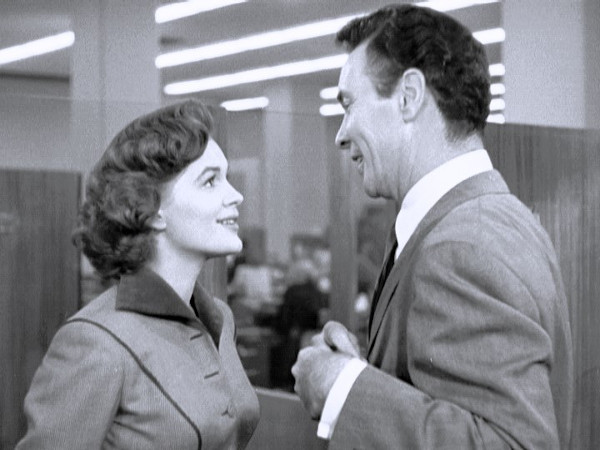
No Questions Asked (Harold F. Kress, 1951). This pleasingly cynical crime drama follows a insurance investigator named Steve Keiver (Barry Sullivan) who supplements his meager salary by retrieving stolen goods for ransom payouts from the company that are less than they’d have to provide in policy claims. His prime motivation is winning back Ellen (Arlen Dahl), a woman who left him for a partner with a bigger bankroll. The screenplay, credited to Sidney Sheldon, takes great pains to note that Steve’s shady dealings are technically fully legal, providing the character with a Hays Code–approved path to redemption when he realizes that the mobsters he’s dealing with simply don’t have his best interests at heart. Director Harold F. Kress brings the appropriate levels of seediness to the proceedings, and there’s a nice performance by Jean Hagen, as an insurance company colleague who falls for Steve despite his many flaws. If the storytelling is a little stiff at times, that somehow suits No Questions Asked, as if providing tonal reinforcement to the premise that dirty dealings aren’t worth the trouble.
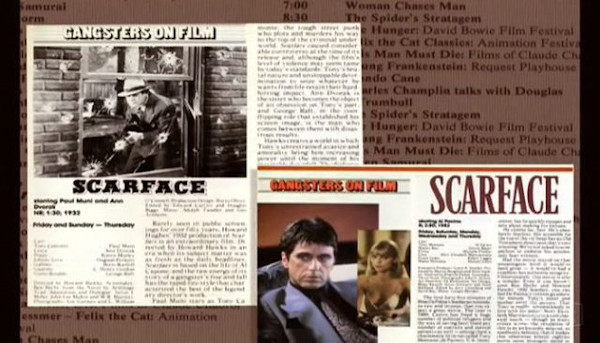
Z Channel: A Magnificent Obsession (Xan Cassavetes, 2004). This documentary is reverent about its main subject, the Los Angeles cable station Channel Z that aired an esoteric array of uncut movies. Director Xan Cassavetes’s assemblage of archival footage, movie clips, and talking head interviews with channel executives and admirers is most compelling when making the case that the cable outlet was vital in spotlighting films that otherwise would have been forgotten and even redeeming a few. By making schedule space for Michael Cimino’s uncut version of Heaven’s Gate, Channel Z at least started the process of disrupting the consensus that the Western epic was a unmitigated disaster. Z Channel: A Magnificent Obsession also devotes a lot of time to the troubled life of Jerry Harvey, the station’s longtime, deeply troubled film programmer. Cassavetes keeps circling back to Harvey’s ills, a choice that’s probably necessary (especially given Harvey’s tragic end) but that also diverts from the ultimately more interesting story of the almost quixotic devotion to cinematic purity shared by seemingly everyone who worked at the channel.

Paddington (Paul King, 2014). Like its more celebrated sequel, director Paul King’s first outing with the classic children’s literature character named after a London train station is an absolute delight. In telling the story of how Paddington (voiced marvelously by Ben Whishaw) comes to stay with a London family, King builds emotional moments that don’t curdle into mawkishness and stages complex physical comedy set pieces with the deftness of a great silent movie auteur. Most impressively, King regularly launches the film into moments of strikingly beautiful visual imagination, properly taking advantage of the vast possibilities of his chosen medium. Nicole Kidman blazes through her role as the film’s chief villain, going big without ever overplaying it, and Jim Broadbent makes a chewy meal out of Hungarian shop owner Mr. Gruber.
Discover more from Coffee for Two
Subscribe to get the latest posts sent to your email.
 Coffee for Two