Saturday is the day I regularly sharing writing I discovered during the week prior. The articles selected sometimes speak to me because they perfectly capture my worldview and articulate better than I could have. Often, I’m simply dazzled or delighted by the quality of the writing itself. I traditionally cap off one calendar year by highlighting six of the pieces that made the greatest impact on me. Each of the half dozen I share again today stuck with me well after I originally deployed the hyperlink. Instead of my thoughts on what’s special about these, I include an except of the exemplary work in question. These are shared in no particular order.

Driving in Circles by Sarah Kendizor
“Fast Car” is not a relic of its time but tragically timeless. Combs’ cover could stay faithful because nothing in this country got better. That “Fast Car” can be passed down through generations without requiring explanation is both a songwriting triumph and a grim indictment of America.
A song about Reagan-era struggle became a song about 21st-century survival. When my teenage children hear “Fast Car”, they do not wonder why the narrator cannot escape poverty or why a person with a job still has to live in a shelter. Those things happen all the time.
What shocked them was that, once upon a time, the nation sang along.
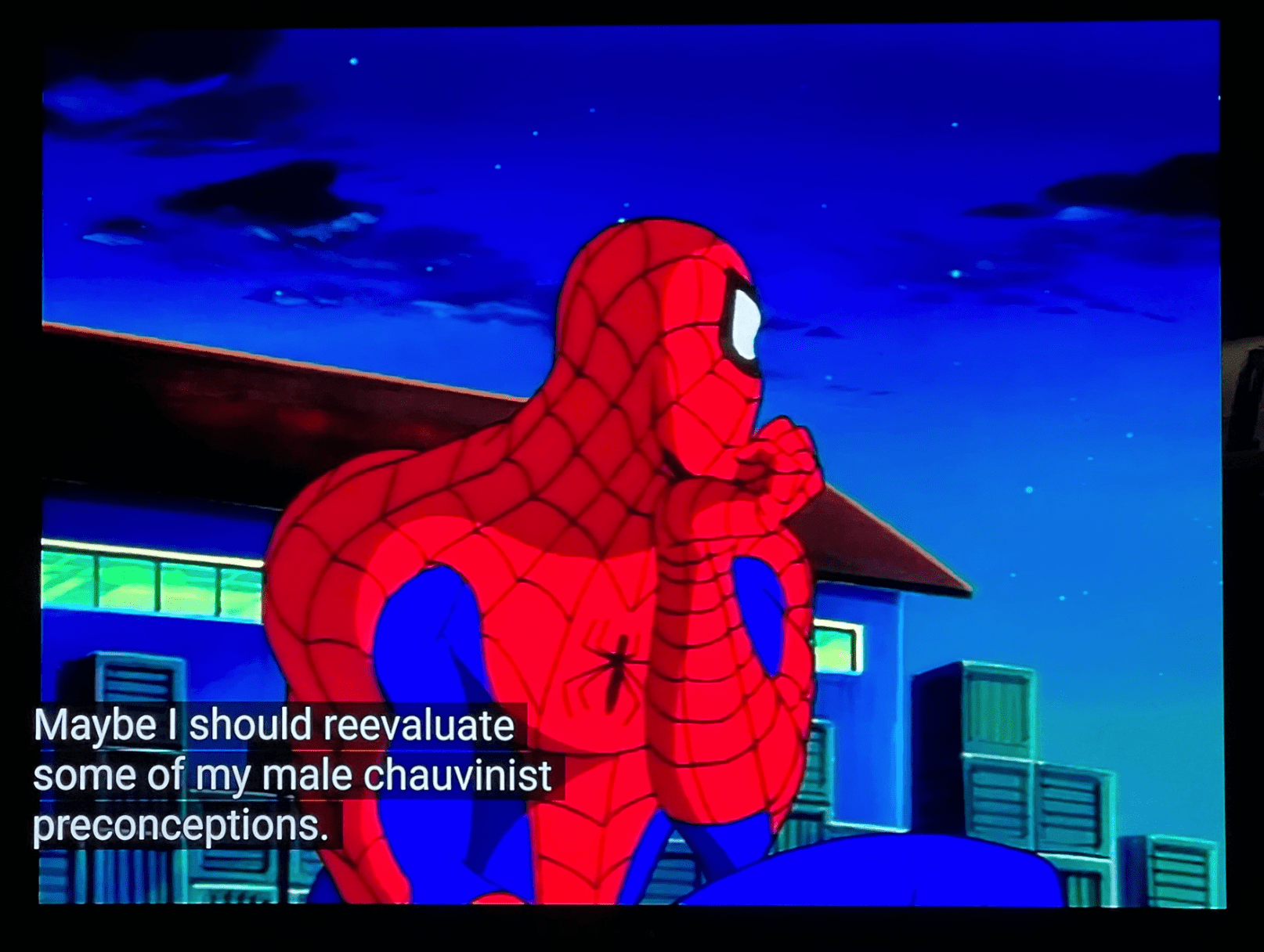
Misogyny Makes You Stupid by Brooke Binkowski
This sort of thinking, no matter where you are on the gender spectrum, takes a lot of work, especially when you’re surrounded on all sides by living refutations of that mindset. You have to keep reminding yourself that women are inferior and cooking up reasons for it. You also have to believe weirder and weirder things and surround yourself with people just like you in order to keep believing it, what with all sorts of evidence to the contrary that women are human beings worthy of the same exact respect as anyone else.
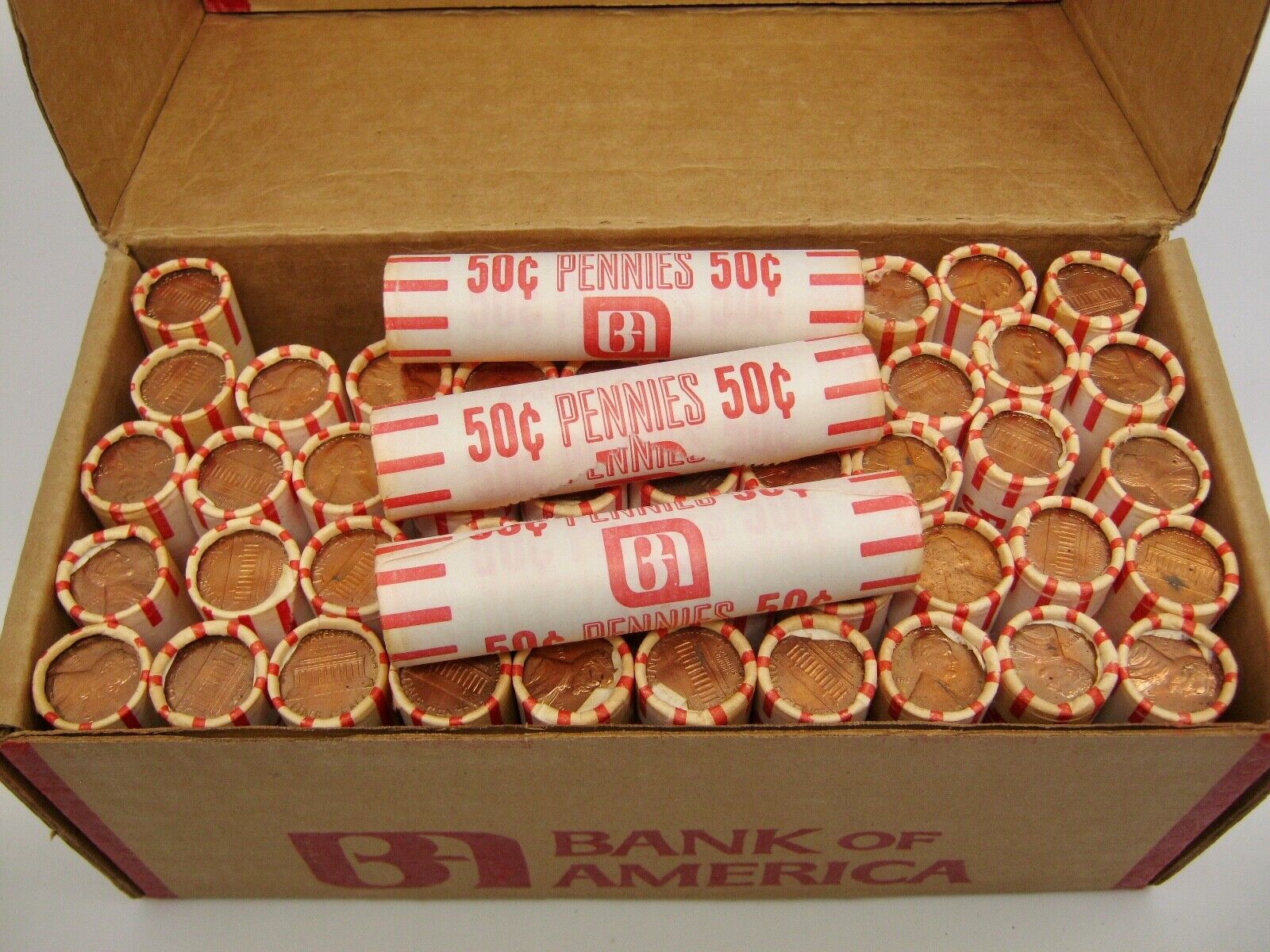
Stop Making Cents by Caity Weaver
Americans accumulate pennies not because we desire them but because we are entitled to them. If we pay for something in cash with more than exact change, we expect to receive back the difference; if the difference ends in any number other than 0 or 5, we will receive at least one penny. We are entitled to pennies because they exist. But imagine a world where they didn’t. Imagine a world where it was Canada.
Many Americans will be surprised to learn that Canada eliminated its 1-cent coin more than a decade ago. Canadians are aware of this — how little Americans know of their world, and how bewildering it must seem in the rare instances we contemplate it. When I interviewed Canadians about their abolition of the penny, I often sensed from their responses that they were handling me gently. “Our country,” one official from the Royal Canadian Mint informed me with an almost apologetic smile, “is just as big as yours.” For all I know, he could be right.
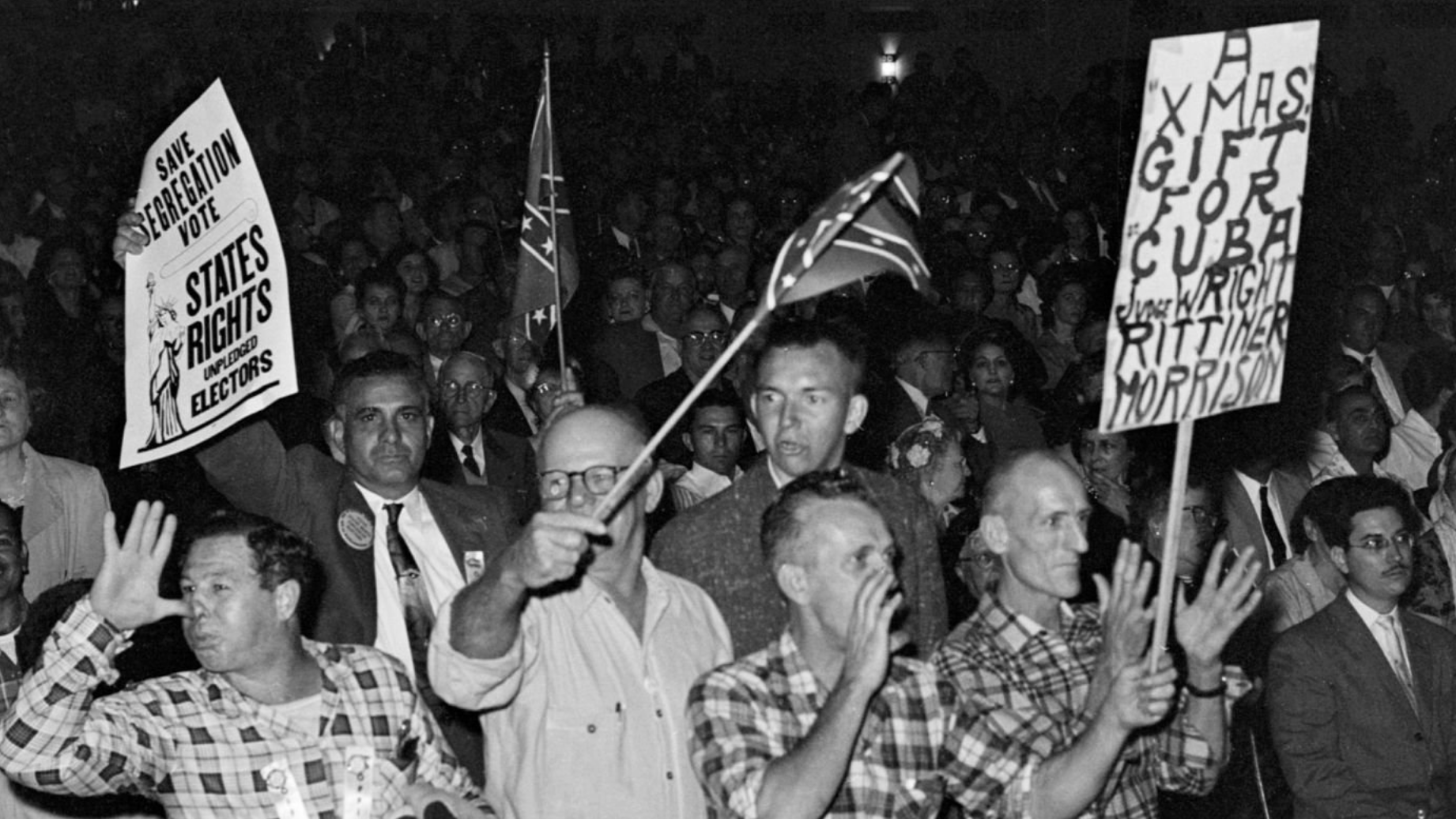
Whitewash by Nikole Hannah-Jones
But as this nation’s racist laws began to fall, conservatives started to realize that the language of colorblindness could be used to their advantage. In the fall of 1964, Barry Goldwater, a Republican who was running against President Johnson, gave his first major national speech on civil rights. Civil rights leaders like the Rev. Dr. Martin Luther King Jr. and Roy Wilkins had lambasted Goldwater’s presidential nomination, with King saying his philosophy gave “aid and comfort to racists.” But at a carefully chosen venue — the Conrad Hilton in Chicago — in front of a well-heeled white audience unlikely to spout racist rhetoric, Goldwater savvily evoked the rhetoric of the civil rights movement to undermine civil rights. “It has been well said that the Constitution is colorblind,” he said. “And so it is just as wrong to compel children to attend certain schools for the sake of so-called integration as for the sake of segregation. … Our aim, as I understand it, is not to establish a segregated society or an integrated society. It is to preserve a free society.”

Starburst by Kathryn Schulz
Regular, Earth-based weather is such a fundamental part of our lives that we are almost always aware of it and very often obsessed with it; it is the subject of everything from idle chitchat to impassioned political debate. By contrast, most people have no idea that there is weather in outer space, let alone what its fluctuations might mean for our planet. That’s because, unlike everyday weather, you can’t experience space weather directly. It doesn’t make you hot or cold, doesn’t flood your basement or take the roof off your home. In fact, until the nineteenth century, it had almost no appreciable effect whatsoever on human activity. Then came a series of scientific revolutions that made certain technologies, from electricity to telecommunications, central to our lives. Only later did we realize that those technologies are vulnerable to the effects of weather in outer space. The potential consequences are as sweeping as our technological dependence. In 2019, the Federal Emergency Management Agency, surveying the landscape of possible disasters, concluded that only two natural hazards have the capacity to simultaneously affect the entire nation. One is a pandemic. The other is a severe solar storm.
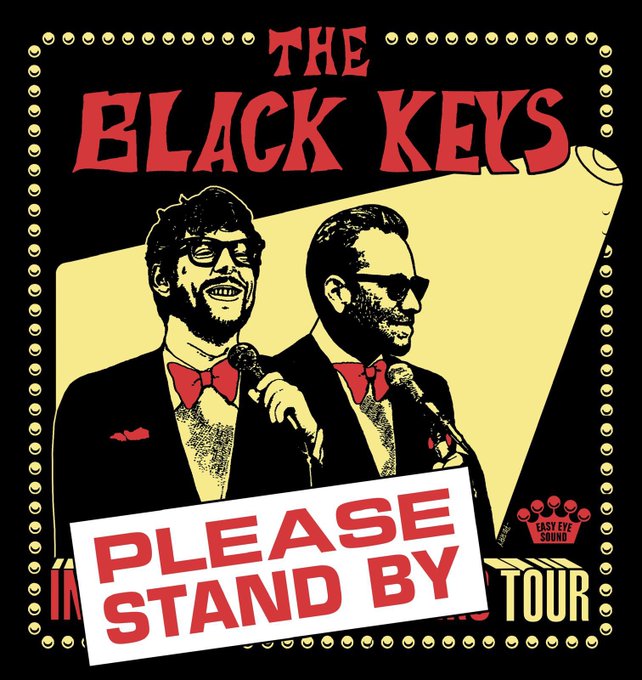
The Curious Case Of The Underselling Arena Tours by Zach Schonfeld
Why would they book such oversized venues? To some extent, “it’s just pure greed,” says a booking agent with many years of experience, who spoke on condition of anonymity. “Live Nation needs to fill these big rooms, so they make aggressive offers and then the agents and managers take them. Some of it is, it’s hard to go backwards. If you’ve ever done arena tours before, it’s very difficult to take a step back and make less money on a smaller tour. No one wants to present that to a manager or band.
“There’s certain agents that have a track record of just kinda killing bands,” the agent adds. “They fire the agents at a smaller agency, it goes to a bigger agency, and they just cram it down the throat of these promoters, and there’s a frenzy in the promoter game. Everyone wants a piece of it, and the tour deals get more and more aggressive. Then they price the tickets too high and they just don’t sell.”
Discover more from Coffee for Two
Subscribe to get the latest posts sent to your email.
 Coffee for Two