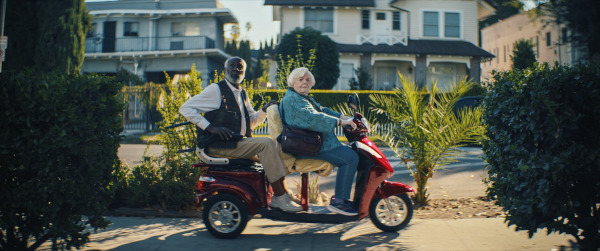
Thelma (Josh Margolin, 2024). This comedy about a kindly nonagenarian woman (June Squibb) who seeks revenge against the online scammers who swindled her out of a bundle is the epitome of a benign entertainment. Writer-director Josh Margolin is gently playful in his storytelling, letting our heroine act out slow-motion Mission: Impossible gymnastics across seedy pawn shop furniture and through retirement home hallways. Squibb is just fine in the title role, but the best performances are found in the supporting cast. It’s fun to see Parker Posey take the indie comedy chops honed during her ingenue days and apply them to a fussy mother role, and Fred Hechinger is a beam of empathy as Thelma’s loving grandson. Much as Thelma comes across as a wisp of a thing, Margolin’s use of a home movie to help close out the proceedings makes it clear just how personal the story is to him. That little touch gives everything that preceded it a retroactive poignancy.
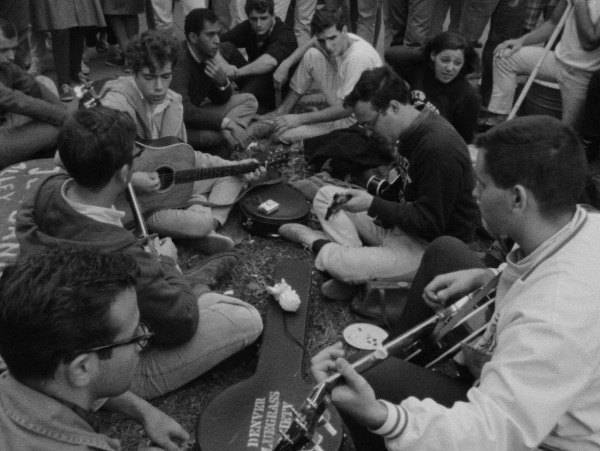
Festival (Murray Lerner, 1967). Murray Lerner’s documentary captures four years of the Newport Folk Festival during the era when it seemed like these earnest troubadours with acoustic guitars and rhyming couplets might actually be able to shift the world on its axis at least a skosh. Lerner eschews any explanatory information and strives to put the array of performers on relatively even footing in the depiction of the event, even as his documentarian ethos dictates he must acknowledge Bob Dylan’s growing godhead status and Joan Baez’s radiance. The egalitarian approach of Festival also means ample time is given to the patrons on the festival, emphasizing the spirited camaraderie and the sense that a free-roving jamboree is taking place among the tents and parked car. Lerner doesn’t hunt for drama or impose grandeur on the proceedings. He simply points his camera and does his level best to ensure that every note is true.
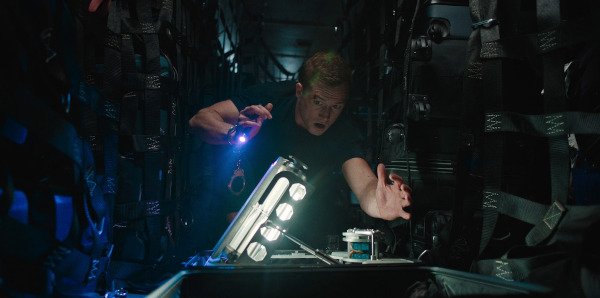
Carry-On (Jaume Collet-Serra, 2024). The team behind Carry-On deserves credit for the transparency of their aspirations. Making a film that’s an updated riff on Die Hard? Why not go ahead and set it at Christmas. In this case, the yuletide timeline is a more significant contributor to the plot, ensuring the airport where most of the action takes place is packed with weary, combative travelers and ensuring authorities are less likely to simply shut down the bustling hub of transit when it looks like there might be dangerous doings afoot. Taron Egerton plays the TSA agent who is forced into complying with the terrorists’ scheme and then transforms into the John McClane stand-in, practically taking on this villainous cadre all by himself. Egerton is strong in the first half of the movie, when the part calls for him to desperately attempt to mask his rising tension, but he can’t quite make the pivot into making the impulsive heroics of the second half believable. That’s more of an overall scripting problem; too many of the story turns defy internal logic in favor of whatever’s needing to keep the proceedings going or to set up the next action set piece. Jaume Collet-Serra’s direction is both headlong and artful, which does allow the film to mostly soar right over its implausibilities. Jason Bateman and Danielle Deadwyler both have enjoyable moments playing against type, he as sociopathic bad guy and her as a furiously committed police detective.
Discover more from Coffee for Two
Subscribe to get the latest posts sent to your email.
 Coffee for Two