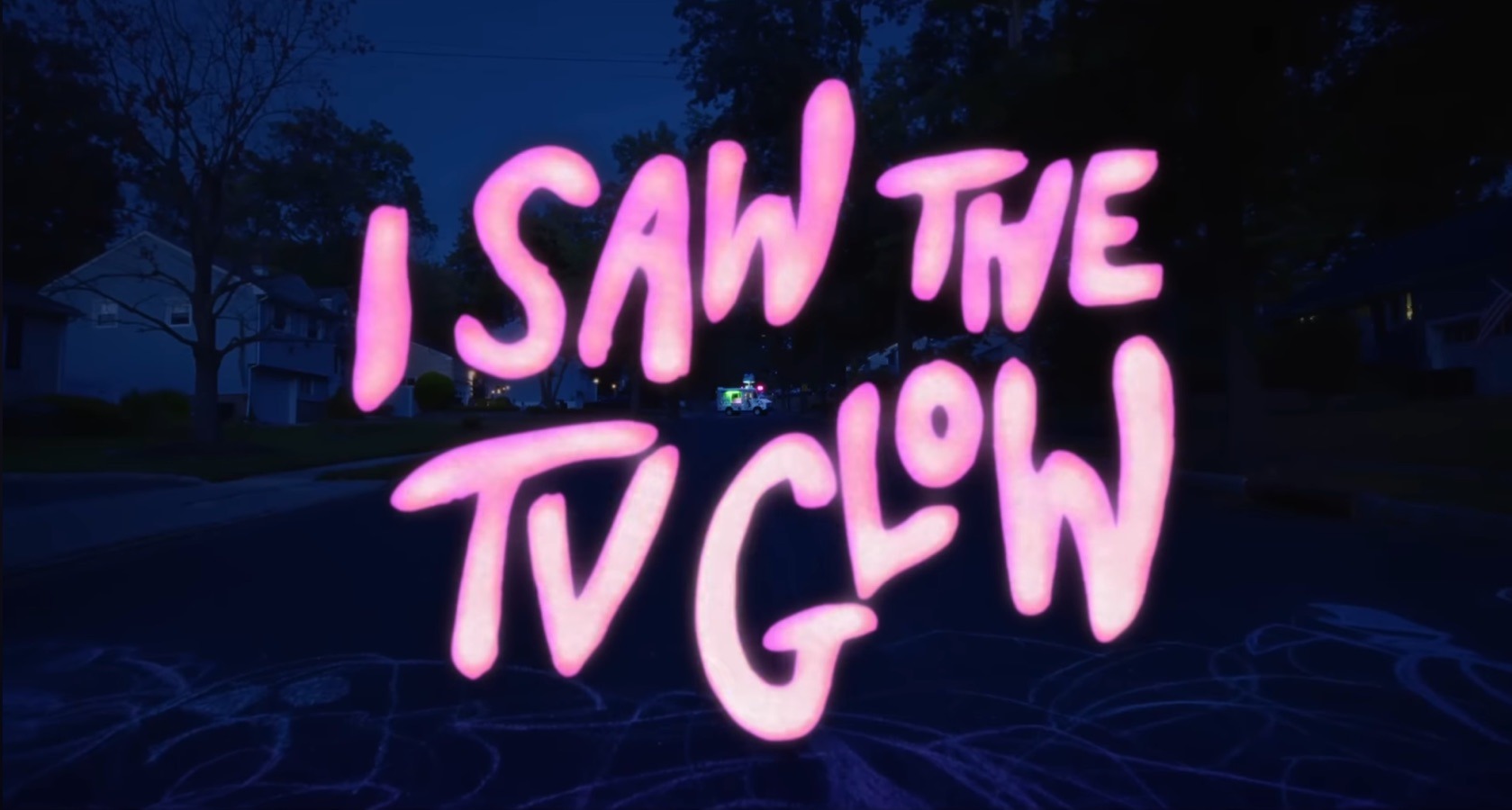
Jane Schoenbrun’s I Saw the TV Glow is a veritable feast of wild, glorious invention. At its rapidly skipping heart is a fictional TV show called The Pink Opaque, which bears a striking kinship, according to most of glimpses seen of it in the movie, to beloved broadcast chronicle of teenage outsiderness Buffy the Vampire Slayer. The show becomes the fixation of Owen (played primarily by Justice Smith after some early scenes where Ian Foreman handles the younger version of the character) after he yearningly accepts the tutelage of Maddy (Jack Haven), a cool girl who is quite literally everything he longs to be. Using a dreamlike visual approach that successfully evokes the obscure emotional potency of David Lynch classics, Schoenbrun makes a movie that is a metaphor for her experience as a transgender woman, particularly the revelatory feeling of finally understanding one’s self and how it stands in opposition to society’s reductive views. By approaching the story with allegory, Schoenbrun taps into a more universal experience, that of gradually, agonizingly accepting the uniqueness of individual personhood after spending years — even decades — relying on outside influences to gradually bring that powerful self-perception into place. And the film is about the ways those outside influences are often reshaped in the experience of them and in the memory to suit what a person really needs. This is heady stuff, yet Schoenbrun renders it with the bruising fervor of a slightly unhinged horror film. Part of the brilliance of I Saw the TV Glow is how utterly convincing it is in implicitly arguing that a story about growing up and personal discovery shouldn’t be told in any other way.
Discover more from Coffee for Two
Subscribe to get the latest posts sent to your email.
 Coffee for Two