One of the great pleasures of watching Steven Soderbergh approach these presumably latter years of his filmmaking career with the prolific determination of an old, studio-system helmer is his casual mastery of any old genre exercise that comes his way. Although I don’t think his artistic approach resembles Howard Hawks in most respects, Soderbergh shares with that bygone master a clear-eyed certainty with practically every project. Even in those instances when a film doesn’t really work, Soderbergh’s authorship is steady, assured, unbothered. He makes movies not of some driving need to explore his demons or reinvent the form. He makes movies because he makes movies, and that’s that.
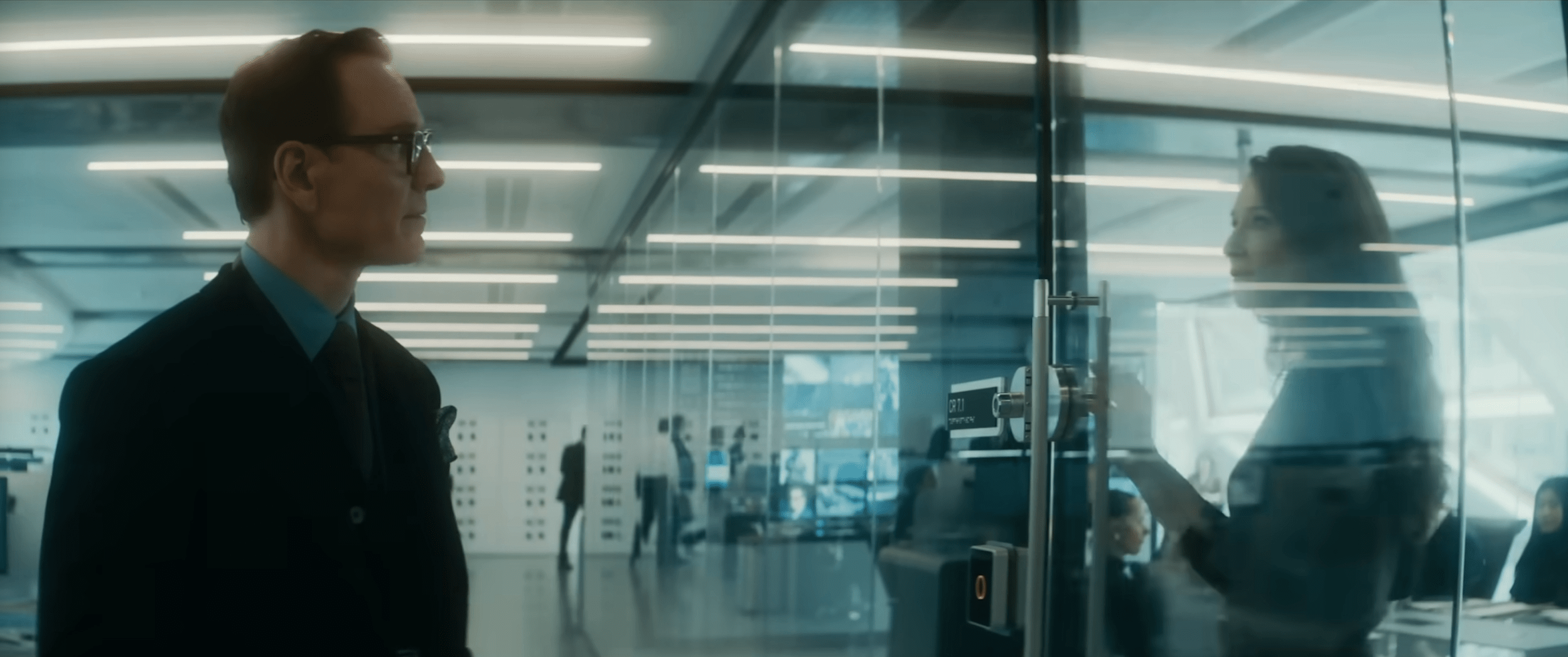
Black Bag, Soderbergh’s latest and his second released in this still-young year, mostly sticks with George Woodhouse (Michael Fassbender). George is a British spy who’s married to another British spy, the piercingly glamorous Kathryn St. Jean (Cate Blanchett). They have a strong relationship, in part because of a standing agreement that certain swaths of each other’s professional efforts must remain opaque. Welling curiosity is an occupational hazard, though, and a few stray, scattered clues of troubling business afoot prompts George to start investigating a whole cadre of his cohorts, including Kathryn.
Working from a screenplay by David Koepp, Soderbergh leans into the treacherous curves of the story. The film’s cast of characters introduces a string of additional employees of the spy agency, each with their own twisted motivations, dinged psyches, and hopelessly entangled romantic peccadillos. The plot keeps circling back to the parlor game of teasing out their dirty little secrets, like Agatha Christie by way of John le Carré. The whole supporting cast hits their dramatic marks with marvelous spin and tight flourishes, with Marisa Abela and Tom Burke as particular standouts. There’s also a marvelous performance by Pierce Brosnan, operating at a aside from and above this main cohort as the head of the division. He seethes through his scenes with a majestic managerial irritation.
My prickly instincts tell me there are passages of Black Bag where the narrative math doesn’t quite work or where the storytelling cheats a bit to keep the film a step or two ahead of attentive audience members. Soderbergh certainly takes advantage of the intense, almost sociopathic emotional remove of George, a fundamental bearing played with great skill by Fassbender, to put uncertainty at the heart of the picture. I have no compulsion to scratch at these potential dings in the paint job. The pleasures of the film — its stylish visuals, its cynical sense of humor, its taut, ninety-minute runtime — are too glorious to risk inviting a taint. Better to put those doubts into the black bag and enjoy what’s there on the screen.
Discover more from Coffee for Two
Subscribe to get the latest posts sent to your email.
 Coffee for Two