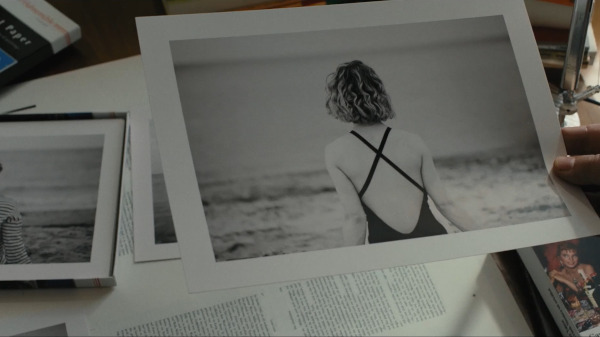
Afire (Christian Petzold, 2023). An excellent meditation on how misery and insecurity prompt self-sabotaging behavior. Afire primarily focuses on Leon (Thomas Schubert), a struggling novelist who accepts an offer from his friend Felix (Langston Uibel) to head out to his rustic family holiday home in Northern Germany. Leon hopes to polish his second book, but he keeps getting distracted by Nadja (Paula Beer, excellent in the role), a young woman who’s also unexpectedly staying there. Petzold’s screenplay is defined by strong dialogue and rich, complex character development. The film is especially shrewd in considering the multitude of ways that unhappy people erect barriers to preserve their unhappiness, which provides a sort of comfort. Like Mike Leigh’s recent Hard Truths, the film’s main flaw is that the protagonist’s behavior is so consistently off-putting that it’s implausible that anyone, especially this new acquaintance buoyed by a generally warm, positive outlook, would stick with him. The ending of the film is wonderful, smartly using Leon’s own art as a measure of the changes he’s experienced.
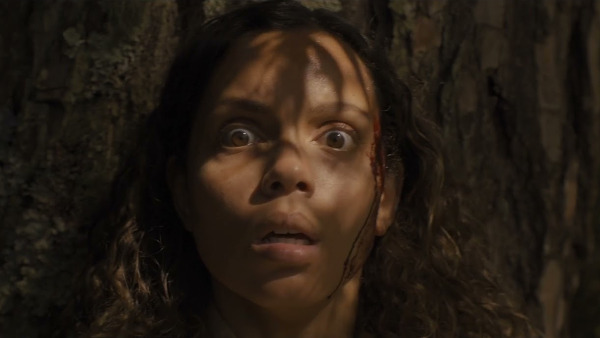
Lovely, Dark, and Deep (Teresa Sutherland, 2024). The setup for this horror film is promising: A novice park ranger (Georgina Campbell) at an isolated station in the backcountry is obsessed with hunting the woods for any sign of the sister who disappeared among that same terrain many years earlier. The execution is a whole other matter. Writer-director Teresa Sutherland heaps in all sort of vaguely spooky shit without connecting it effectively to any central idea or sustained plot thread. Images and scenes are disturbing but so removed from any emotional stakes or narrative grounding that they’re basically inconsequential. Campbell, who was terrific in Zach Cregger’s Barbarian, is blandly withdrawn and sullen here. The character comes across as foggy rather than driven, which is right in line with the overall flattened tone of Lovely, Dark, and Deep.
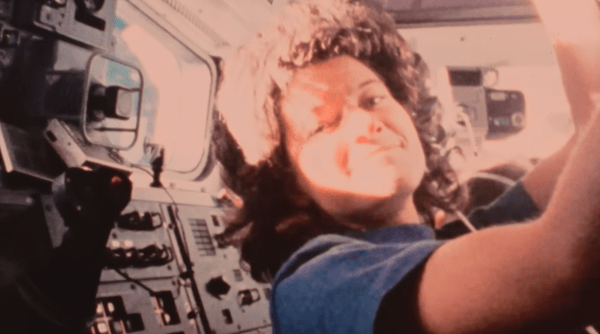
Sally (Cristina Costantini, 2025). I admire director Cristina Costantini’s clear determination to steer away from hagiography in this documentary about Sally Ride, a figure who certainly invites such adoring attention. The film takes nothing away from Ride’s historic accomplishment as the first U.S. woman to go to space, but it also gently pushes back against her own myth-making, especially the much-propagated notion that she’s wasn’t particularly competitive about claiming that coveted seat on the Space Shuttle. Costantini is also uncompromising — and deeply fair — in depicting Ride’s decision to opt for shameful secrecy in regard to her same-sex partnership with Tam O’Shaughnessy, her very public collaborator and co-leader in high-profile philanthropic efforts. O’Shaughnessy is a participant in the documentary, and, much as she still champions Ride, she makes it clear that it did some emotional damage to remain closeted well after broader public sentiment had turned away from condemning gay and lesbian couples. Although its candor and rigor are striking, too much else of Sally is frustrating in its choices, from the deadeningly conventional nature of most of the straight-to-camera interviews to the use of cheap dramatizations and recreations when the wealth of fascinating archival footage is the most formidable tool Costantini has at her disposal.
Discover more from Coffee for Two
Subscribe to get the latest posts sent to your email.
 Coffee for Two