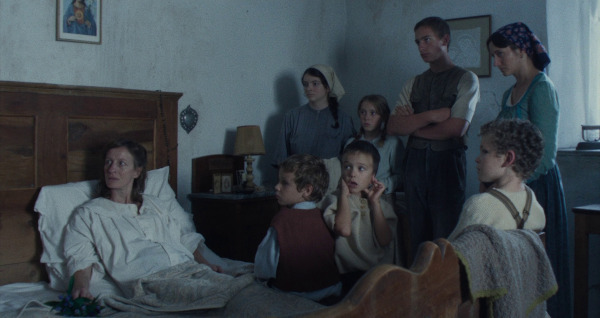
Vermiglio (Maura Delpero, 2024). This deeply affecting drama is set in a small Italian mountain village during the last couple years of World War II. The film settles in with a large family as they navigate uncertain days, including one of the daughters (Martina Scrinzi) becoming pregnant with the child of a man (Giuseppe De Domenico) who deserted from the army. Tragedy and pain seem as ever-present as the snow on the highest peaks, and writer-director Maura Delpero effectively depicts the troubles as this low hum that never goes away. Delpero is also intensely attentive to the details that build an epic story out of the accumulation of these small moments and hard heartbreaks. The film’s cinematography, by Mikhail Krichman, is warmly ravishing without ever calling too much attention to itself, and adds to the intimacy of the work. Vermiglio is novelistic in its storytelling, seemingly drawing on deep wells of feeling while remaining resolutely quiet and modest.
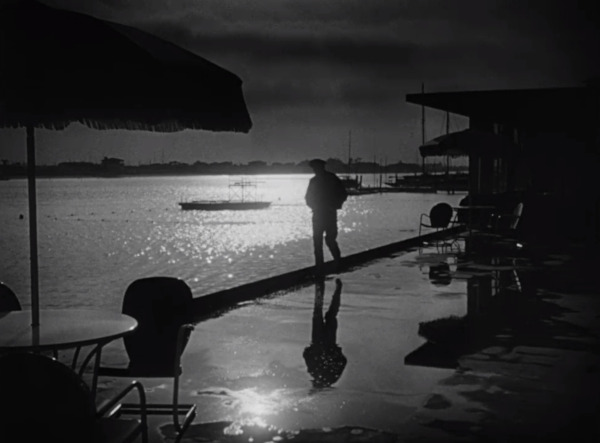
The Breaking Point (Michael Curtiz, 1950). This adaptation of Ernest Hemingway’s To Have and Have Not is built on a sharp, tough script by Ranald MacDougall. There actually wasn’t all that much of Hemingway’s story left in the original pass at the same material in the famed and fantastic 1947 film that introduced Lauren Bacall to the screen, so this is an attempt at a more faithful rendering. The Breaking Point follows Harry Morgan (John Garfield), a fishing boat captain whose usually sterling scruples are cast aside when desperation drives him to get involved in smuggling operations. Director Michael Curtiz brings a sweaty authenticity to the dirty dealings happening in the film, and all the actors really dig in to the damaged people they’re asked to play. Unsurprisingly, it’s Patricia Neal who does the most with what she’s given, elevating what could have been a standard femme fatale role. In her hands, the character has a few more layers of smarts and vulnerability beneath the surface cunning. The film ends on a shot of startling power, introducing a closing note of social commentary as a whole community walks away from an immediately forgotten lost boy.
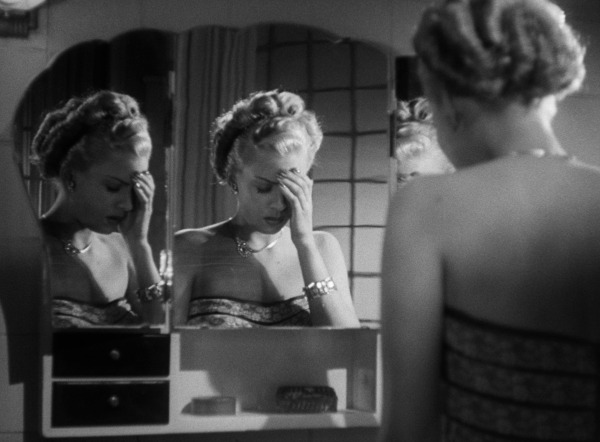
Never Open That Door (Carlos Hugo Christensen, 1952). This Argentinian film presents a pair of terse, angry short stories that are handsomely mounted and yet complicated enough in the particulars to feel stretched out even at their short length. Both stories were originally penned by Cornell Woolrich, and screenwriter Alejandro Casona bends them into twisty morality tales and psychological tests the forecast the bleakest of the mind-twisters later turned out by Rod Serling for The Twilight Zone. Director Carlos Hugo Christensen brings a dark elegance to his cinematic storytelling, staying just distant enough from the characters to make it seem like the film itself is leery of being drawn into the black holes of their souls. Pablo Tabernero’s cinematography is an absolutely ballet of shadows, rivaling the very finest Hollywood film noirs.
Discover more from Coffee for Two
Subscribe to get the latest posts sent to your email.
 Coffee for Two