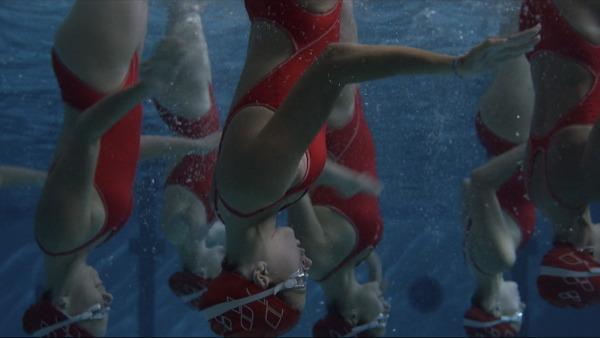
Water Lilies (Céline Sciamma, 2007). Céline Sciamma’s directorial eye is so sharp and assured here that’s it’s a marvel that the film is her feature debut. Water Lilies follows Marie (Pauline Acquart), a teenaged girl who seems a little younger than her years. She grows quietly obsessed with Floriane (Adèle Haenel), who’s captain of the school’s synchronized swimming team. Marie joins the waterlogged squad specifically to insinuate herself into Floriane’s life, a scheme that works, at least for a little while. In additional to visuals that are warm and casually inventive, Sciamma digs deeply into the narrative to unearth rare emotional truths. She shows a particular skill for conveying the intense immediacy of adolescent feelings, when every disappointment or slight brings on an eruption of agonizing rage. The film doesn’t just depict wounded heartache; it lives within it, feeling every pulse of the poignant pain.
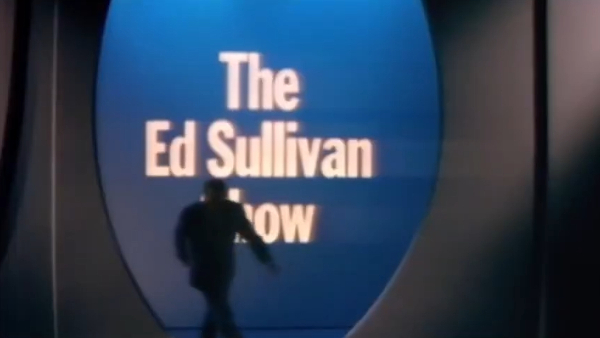
Sunday Best (Sacha Jenkins, 2025). Ed Sullivan’s legacy has probably evaporated to the point that he’s mainly remembered as the guy who put Elvis Presley and the Beatles on TV and maybe as a prime source for material for the corniest old celebrity impersonators. This documentary persuasively argue that Sullivan should not only be remembered a television pioneer but also celebrated as a early, unflagging champion of giving airtime and respect to Black performers at a time when doing so really mattered. It wasn’t mere happenstance; Sullivan spoke plainly about his conviction that prejudice should be actively confronted in interviews at the time. The use of footage from Sullivan’s variety show is impressive, because director Sacha Jenkins and his collaborators edit the material with a dynamism that approaches that found in Questlove’s music documentaries. Sunday Best is also hampered by a few disastrous creative choices. The incorporation of AI recreations of Sullivan’s voice cast a pall over the film. There’s also a strange passage in the latter portion when the film slips over into being more of a celebration of Motown than of Sullivan, a frustrating diversion that is indicative of a certain messiness of thought across the film.
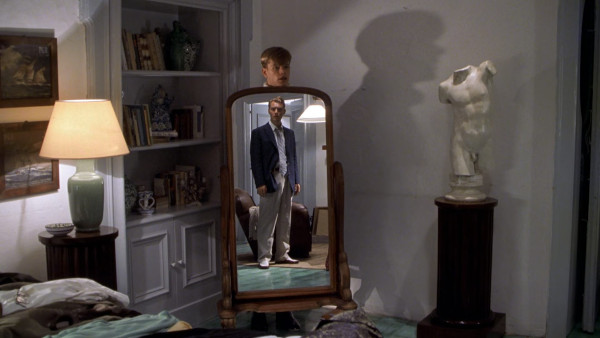
The Talented Mr. Ripley (Anthony Minghella, 1999). There’s some absolutely gorgeous direction by Anthony Minghella in this film. For his follow-up to the Oscar-devouring hit The English Patient, Minghella adapted the 1955 novel in which author Patricia Highsmith introduced the character Tom Ripley, a sociopathic scam artist. For the tricky title role, Minghella casts Matt Damon, who was just a couple years past his major breakthrough in Good Will Hunting. Because Ripley is a pretender with a penchant for claiming other people’s identities as his own, it’s weirdly appropriate that Damon’s performance is good and yet continually outclassed by a parade of astonishing actors in the supporting roles. Jude Law, Gwyneth Paltrow, Philip Seymour Hoffman, and Cate Blanchett all put him squarely in their shadows. Minghella handles the twisty psychology of the story exceptionally well, though the film could stand to be a little tauter. In every one of its craft particulars — most notably the cinematography of John Seale — The Talented Mr. Ripley is absolutely ravishing.
Discover more from Coffee for Two
Subscribe to get the latest posts sent to your email.
 Coffee for Two