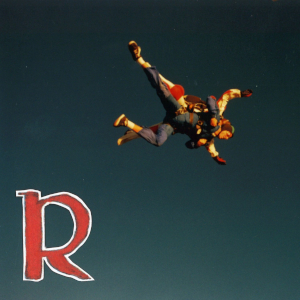
ROCKET R Is for Rocket (Transgressive Records/Canvasback) — The Los Angeles–based band Rocket soars off the launchpad with their debut album. R Is for Rocket is a banging, bounding, brightly inspired set of songs that sound like they’re made to revive rock radio. Album opener “The Choice” builds and builds, like Rocket can’t be contained as they announce themselves to the world. Guitarist Desi Scaglione produces the album with the right balance between roughshod, straight-from-the-garage energy and showroom-sleek engineering. There are echoes of the nineteen-nineties heyday of commercial alternative, before the format evolved away from a dynamic range of sounds into post-grunge muddiness. “Pretending” comes across as the evolutionary step between Live Through This and Celebrity Skin, and “Crossing Fingers” demonstrates how rock pummel and pop dreaminess can coexist nicely. As obviously accomplished as the whole band is — including guitarist and keyboardist Baron Rinzler and drummer Cooper Ladomade — the album revolves around the lead vocals of bassist Alithea Tuttle. She brings power and personality to her performances. She intones over buzzy, throbbing guitar parts on “Wide Awake,” and, on “Number One Fan,” her voice is layered in with drifty, semi-shoegaze sounds. Rocket makes a mighty noise. Blast off with the following: “Act Like Your Title,” “One Million,” “Crazy,” and the title cut.
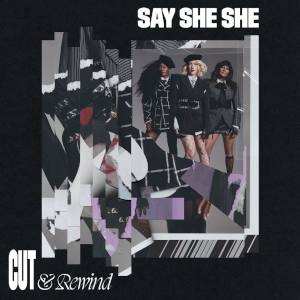
SAY SHE SHE Cut & Rewind (drink sum wtr) — There’s a whole lotta R&B history swerving around Cut & Rewind, the third full-length from Say She She. The Brooklyn-based trio have proven themselves to be polymaths within the genre on previous records, but the new release takes their versatility to a whole other level. If there’s a touchstone for the album, it’s the music of the nineteen-seventies. It was a decade when any act with the chops to deliver a groove could get themselves a booking on Soul Train, even if they didn’t fit into a narrow niche, and Say She She prove they can hang with any of their predecessors. “Disco Life” even makes the retrospection more overt as it delivers a swinging pushback against the notorious Disco Demolition Night hosted by the Chicago White Sox (“We’re taking back the major league/ A playing field where all are free”). “Under the Sun” is classic soul in the vein of Honey Cone, and “Little Kisses” is smooth enough to make Luther Vandross sound like Tom Waits nursing a sore throat. If old-school soul is the home base, Say She She are still willing to range widely: “She Who Dares” is icy-cool art pop about fighting patriarchal oppression of women, and “Make It Known” has a touched of PJ Harvey’s jagged assurance. Cut & Rewind is the group’s first outing on the drink sum wtr label. Whoever signed them in time to get this album in the company catalog deserves a bonus. Cut to these tracks: “Chapters,” “Take It All,” “Shop Boy,” and “Do All Things with Love.”
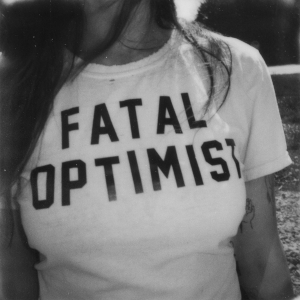
MADI DIAZ Fatal Optimist (Anti-) — Authenticity is the only option for Madi Diaz. The singer-songwriter leaves little doubt about that on her new album, Fatal Optimist. On this, her seventh studio album, Diaz favors spare arrangements that let her songwriting and heartfelt performances stand exposed. The songs sometimes call to mind Phoebe Bridgers in her mode of ghostly fragility, like letting too many other souls into the mix might disrupt the precariously stability that Diaz is trying to reach. The songs echo with heartbreak and wounded dissatisfaction, the sorts of aches that defy fixing through any means other than emotional erosion. Diaz makes that plain on the slyly ingenious “If Time Does What It’s Supposed To”: “It’s like every day is one day I’m getting through/ One day I’ll wake up, and I’ll be over you/ If time does what it’s supposed to.” If Bridgers is the quick indie comparison (“Feel Something” could be a Punisher deep cut), Diaz draws more overtly from classic country music and folk, meaning a track such as “Hope Less” is akin to Kacey Musgraves when she’s feeling quietly contemplative. Diaz is also nicely flinty across the whole album, whether in the title cut’s latter-day Rickie Lee Jones groove or the lyrics of “Lone Wolf” that provide a handy metaphor for a caddish, wandering man (“Are you hungry for the winter?/ Did you come looking for dinner?/ Pretend you don’t remember why you’re even at my door”). Diaz is deeply, defiantly real. In addition to those already mentioned, check the following cuts: “Good Liar,” “Why’d You Have to Bring Me Flowers,” and “Time Optimist.”
Discover more from Coffee for Two
Subscribe to get the latest posts sent to your email.
 Coffee for Two