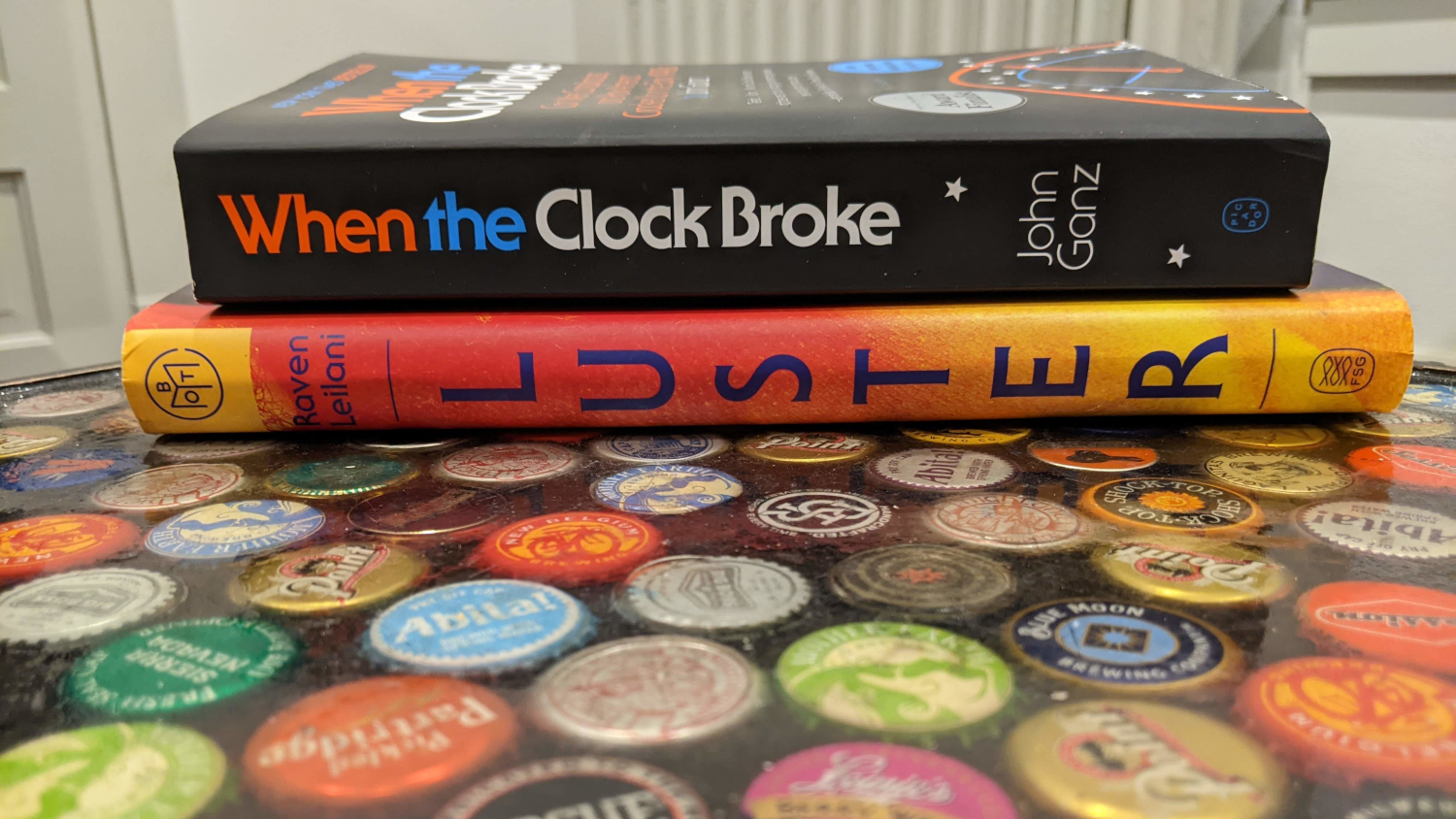
When the Clock Broke by John Ganz
Nonfiction, 2024
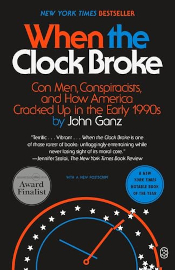
The crowd split up. Guy Molinari and Rudy Giuliani led a group down Murray Street to the site of the official rally. The bars along the street were packed with cops, reportedly drinking on an open PBA tab since early in the morning. Cops, with their guns on their waists, swaggered down the lane, carrying beers and shoving a Black deliveryman into the the street. The New York Times painted the scene: “Beer cans and broken beer bottles littered the streets as Mr. Giuliani led the crowd in chants.” From the podium, Giuliani declaimed, “The reason the morale of the police department is so low is one reason and one reason alone: David Dinkins!” The crowd cheered. Giuliani conceded that there was a real need to investigate corruption in the department. The crowd didn’t like that much.
John Ganz exposes the faultiness to the argument that there’s anything new about the mania, bigotry, and disregard for political norms that defines the modern Republican Party under the thrall of a crooked real estate developer. It’s clear, however, that there at least used to be some institutional safeguards set up to prevent the most immoral of the grifters from ascending to positions of real power. It’s practically heroic when the likes of David Duke and Pat Buchanan are sidelined in the early chapters of this survey of spreading radical-right rot in the nineteen-nineties.
When the Clock Broke is so dense with information that it holds revelations for even those, like me, who were already angrily tuned in to how much damage regressive zealots were causing in the closing years of the twentieth century. In particular, Ganz has plentiful examples of faulty news coverage that parroted hucksters’ claims without any serious attempt to check their veracity. He favors lengthy quotes in his writing, letting the figures he documents effectively testify to their own abominable behavior. This history makes a whole decade into dismal foreshadowing of the mess of today.
Luster by Raven Leilani
Fiction, 2020
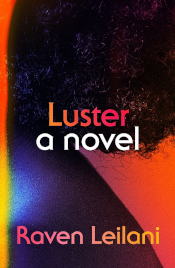
As the next song starts, Rebecca says that she used to attend these concerts mostly as a function of being someone’s girlfriend. She was not permitted to have an opinion as much as observe these boyfriends’ exhibitions of taste, which for the particular set of Hyde Park thrash-lite boys that Rebecca favored, meant maintaining a steady supply of safety pins and gauze, meant Elmer’s glue and DIY tattoos with straight pins and india ink, meant conversations in port-potties about dragons and the bourgeoisie, critiques on the augmentation of capital in the form of pierced white boys from upstate New York, railing against their parents and the banks and society, which was a word she said so much it began to sound like it was a word they made up.
I remember Raven Leilani’s debut novel stirring up a mild sensation upon its release. I get it. The prose pops with colorful specifics, and the storytelling has an appealing edge to it. The lead character’s existential crisis and weary cynicism surely had a special pertinence to readers who cracked the book during the summer of 2020. All of society seemed to be circling the drain, so why not connect intensely with a fiction about a young Black woman who gets ensnared in a psychosexual relationship with an upper-middle-class, white couple?
As darkly entertaining as Luster is, I think it sometimes lapses into provocation, mostly because some of the character motivations are hazy. The plot sometimes moves forward for little other evident reason than that’s the necessary direction to keep pages turning. Leilani has a strong voice, but her tune warbles a bit.
Discover more from Coffee for Two
Subscribe to get the latest posts sent to your email.
 Coffee for Two