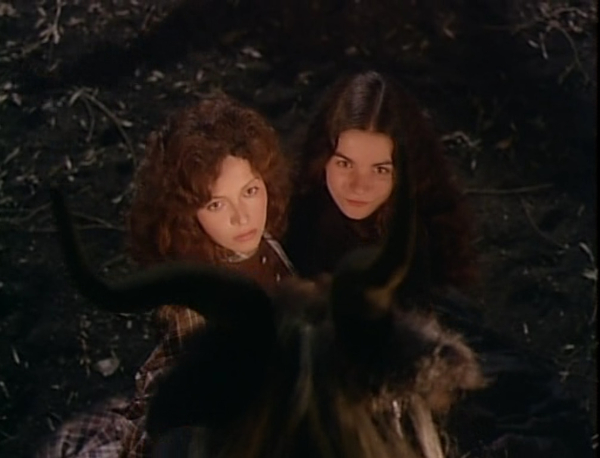
Alucarda (Juan López Moctezuma, 1977). Justine (Susana Kamini) is a teenaged orphan who is sent to live at a convent in the mid–eighteen-hundreds. She’s befriended by Alucarda (Tina Romero), who’s been living there since she was an infant. The duo’s playful exploration of the surrounding woods takes a turn when they encounter a band of gypsies as well as the crypt where Alucarda’s mother is interned. All sorts of supernatural forces are unleashed, and Justine and Alucarda engage in some very dedicated devil worship, much to the chagrin of the religious figures running their institutional home. Alucarda is wildly lurid and filled with amateurish acting. In the case of the latter, the performers still deserve a lot of credit for fully reveling in the story’s call for unbridled intensity. Juan López Moctezuma directs the film with similar conviction, taking evident pleasure in the the story’s abundant creepy provocations. Whether the movie is good is up for debate, but I definitely had fun watching it.
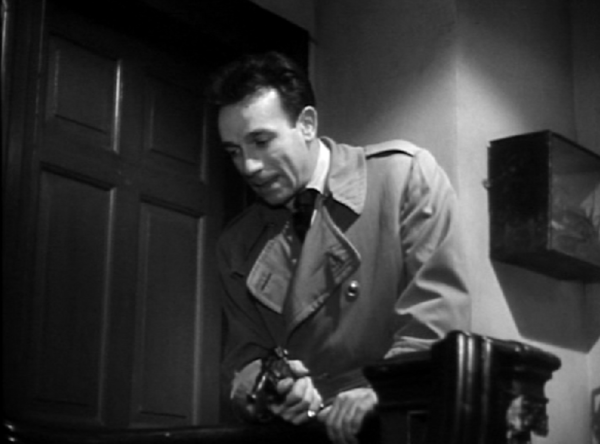
Blackout (Terence Fisher, 1954). The plotting of this British film noir is dense enough to make it feel like a proper successor to the various Raymond Chandler adaptations that made it to the screen to thrill and befuddle audiences. Blackout refers to the level of inebriation experienced by Casey Morrow (Dane Clark) on the night he meets dissatisfied heiress Phyllis Brunner (Belinda Lee). The next morning, Casey wakes up in a stranger’s apartment spattered with evidence to a sensational murder. With the authorities closing in on him, Casey races around London trying to clear his name. Director Terence Fisher keeps the proceedings lean and understands how to use the seediness of the story and the city setting to enhance the film. It constantly feels like the lead character is as trapped by the society he’s slunk into as he is by the specific criminal scenario that’s the most immediate threat to his well-being. Clark does dandy work in the lead role, bringing a natural quality to key scenes even as he skillfully handles the hard-boiled dialogue.
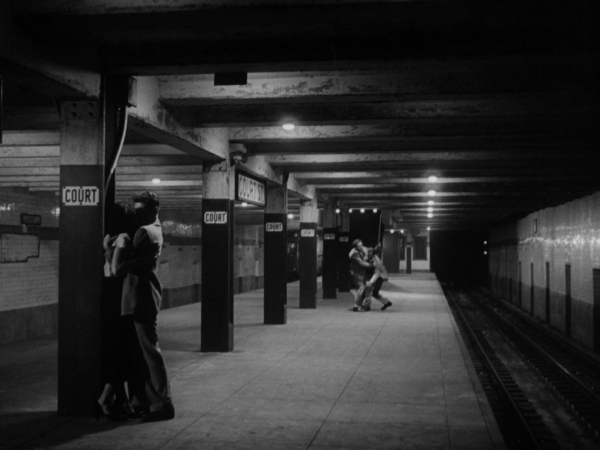
Guilty Bystander (Joseph Lerner, 1950). This film noir gets a little muddled in its own machinations, especially when it comes to the kidnapping of a kid that feels emotionally inconsequential. It’s such obvious plot kindling that the tyke’s name might as well be MacGuffin. Zachary Scott plays Max Thursday, an ex-cop whose investigation into the whereabouts of his missing son draws him into the orbits of a slew of other crimes, including the murder of a doctor (Jed Prouty). Scott alternates between unhinged angry shouting and woozy boozehound need; the latter is decidedly more convincing. The film is elevated by a swarm of colorful characters and personality-filled performances among the supporting players, none better than J. Edward Bromberg as a crime boss straining to keep his emotions in check for health purposes. Joseph Lerner’s directing is solid enough but a little pedestrian. Guilty Bystander never locks in to the tension of its story.
Discover more from Coffee for Two
Subscribe to get the latest posts sent to your email.
 Coffee for Two