
Shivers (David Cronenberg, 1975). This horror flick arrived early in David Cronenberg’s directorial career, and it’s gratifying to see how fantastically twisted his vision already is in it. He satirizes the spread of hippiedom’s free love ethos to the broader public using a flailing, hurtling glob of phallic menace, just as I would hope and expect. The film largely takes place in a pricey, exclusive apartment complex where residents are beset by a spreading parasite that ravages their bodies and warps their minds. The slithery critters are part of an experiment from local medical lunatics who aim to create a parasite that can serve as a replacement organ. Shivers operates with the nightmare logic that remained Cronenberg’s narrative style across the many films that followed. Here, there’s a slightly more brutish quality to the intuitive plotting that comes across as an understandable side effect of the beginners’ budget levels. Similarly, a lot of the acting is suspect. I do appreciate Joe Silver’s basso enthusiasm as an academic charged with hefty amount of exposition. Lynn Lowry and Cathy Graham both have moments of well-rendered horrified confusion.

Oslo, August 31st (Joachim Trier, 2011). This drama is strikingly effective at showing the multitude of ways life chips away at someone’s resolve when they’re trying to work their way out of addiction. Anders (Anders Danielsen Lie) is in his mid-thirties and enrolled in an inpatient rehab program. There’s a heaviness to him that suggests this isn’t the first time he’s tried to get clean. He gets a pass for a job interview, leading to a day where he interacts precariously with friends, family, and other loved ones, exposing his wounds all the way. Director Joachim Trier co-wrote the screenplay with Eskil Vogt (it’s adapted from a 1931 novel by Pierre Drieu La Rochelle), shaping an experience that is wrenching to watch. Anders feels doomed throughout as he meets life with dread stemming from a preemptive sense of futility. Danielsen Lie gives an incredible performance that shows every wrenching emotion his character experiences. The fragility of the character’s personal well-being is painfully real. What could be a heavy film is instead strangely warm, inviting the viewer to care for Anders rather than judge him. That’s almost entirely due to Trier’s artful and tonally measured direction.
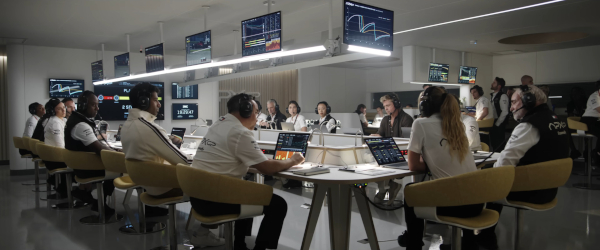
F1 (Joseph Kosinski, 2025). The script to F1, written by multiple Transformer offender Ehren Kruger, is more mechanical than the car engines going vroom-vroom-vroom all through this movie. And yet the damn thing mostly works. Joseph Kosinski provides the sort of skilled blockbuster directing that everyone thought he managed in Top Gun: Maverick (he didn’t). Brad Pitt plays the aging hot shot recruited to train an arrogant raw talent (Damson Idris). Javier Bardem is our lead’s old pal who now oversees a racing team in financial trouble, Kerry Condon is the team’s beautiful genius technical director in need of encouragement to pursue her unorthodox ideas, and Tobias Menzies is the obligatory snarler duplicitously seeking to thwart all these good guys. Most of the actors dutifully adhere to the tropes they’ve been given to play, but Pitt genuinely brings more to the role. He gives a crafty movie star performance that leans on screen charisma only to strategically undercut that swagger with moments of vulnerability. It’s a wildly confident performance that’s tinged with worry that betrays an encroaching sense that this — whether the character’s racing career or the actor’s exalted place in the Hollywood pecking order — can’t last forever.
Discover more from Coffee for Two
Subscribe to get the latest posts sent to your email.
 Coffee for Two