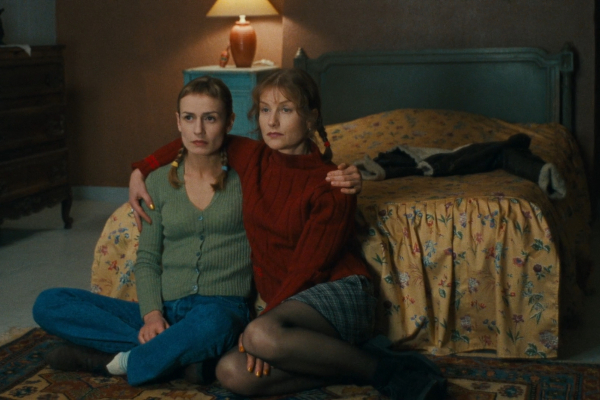
La Cérémonie (Claude Chabrol, 1995). Isabelle Huppert is aggressively expressive in a highly entertaining way throughout this loopy, exceedingly French thriller. She plays Jeanne, the postmaster in a provincial town where Sophie (Sandrine Bonnaire) arrives to serve as housekeeper to an upper-crust family. Sophie is passive and slightly sullen, the perfect target for Jeanne’s semi-feral cunning. They become chums, Jeanne eagerly goosing the darkness that Sophie keeps buried. La Cérémonie scratches at ideas about class divides — there’s a simmering resentment the working-class women have towards the moneyed people who boss them around — but the film mostly settles for feeling like a slightly trashy companion piece to Peter Jackson’s Heavenly Creatures, released around the same time. Claude Chabrol presides over the film with a measured curiosity, as if his camera were a snoopy neighbor taking in the whole affair. He doesn’t so much build tension as coolly observe scenes, suspecting that the audience will load in the tension on their own. Mirroring the emotional arc of Sophie, the film grows content with its own messiness.
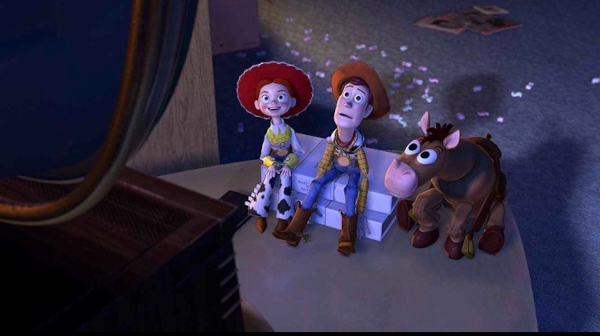
Toy Story 2 (John Lasseter, 1999). Much as I think of the regular recycling of old characters into new stories as a relatively recent strategy for Pixar, the studio’s third feature was already a sequel. Then again, what a sequel it was. Four years after the social hierarchy of Andy’s toy collection was thrown into chaos by the arrival of Buzz Lightyear (voiced by Tim Allen), the animated playthings embark on a new adventure that sees cowboy Woody (Tom Hanks) learning about his own hidden past. Pixar’s band of creators were operating at astounding levels of narrative genius at this point in time. Every scene of Toy Story 2 is precisely crafted for maximum effect. That’s true if the scene is meant to be funny or emotionally potent. The care extends to the action sequences, which are so marvelously executed that few directors of live-action thrillers could hope to match them. An extended scene set in an airport’s labyrinthine luggage routing system, for example, is a feat of visual storytelling. The portion of the film that plays out against the Randy Newman–penned song “When She Loved Me” is so devastating that lawsuits alleging the infliction of undue emotional distress would likely hold up in court.
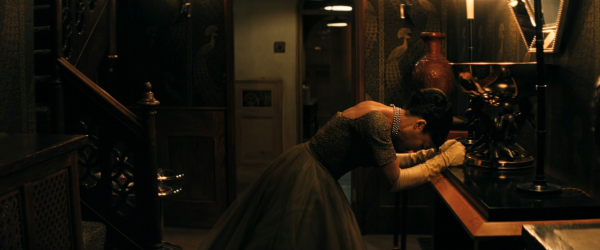
Hedda (Nia DaCosta, 2025). Nia DaCosta’s screen adaptation of one of Henrik Ibsen’s signature works is visually stunning and a cyclone of feeling. DaCosta’s grand reinvention of Hedda Gabler moves the action to the nineteen-fifties and an estate in the English countryside. Hedda (Tessa Thompson) and her husband (Tom Bateman) host a lavish party that is attended largely by his academic colleagues. The guest list also includes Eileen Lovborg (Nina), a former lover of Hedda’s who is striving to overcome sexists attitudes to take a deserved place at the university. DaCosta stages the action with the florid heat of melodrama and the vivacious energy of farce. She twists each situation like she’s trying to extract every misty bit of oil from a citrus rind before plopping it into an especially potent cocktail. Hedda is exquisitely made in every particular. Cinematographer Sean Bobbitt ravenously takes in the costumes of Lindsay Pugh and the production design of Cara Bower and Stella Fox. Thompson is ferocious and vibrant in the title role, and Nina Hoss turns in similarly remarkable acting, albeit in a notably different key.
Discover more from Coffee for Two
Subscribe to get the latest posts sent to your email.
 Coffee for Two