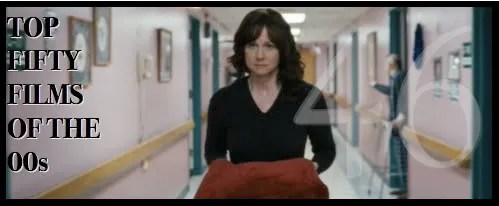
#46 — The Savages (Tamara Jenkins, 2007)
The Savages may be an ideal title for a tale of domestic dysfunction. Savage is the shared last name of the compact family unit at the heart of the film, but, of course, that’s not by happenstance, some fortuitous discovery made by a documentarian. Instead, it’s a purposeful choice of the writer-director Tamara Jenkins, a means to communicate with the audience. The commonplace depiction of fictional fighting families may cue us to think of brutish, livid combatants tearing into each other without restraint. I think a different shading of the word makes for a more apt match for the movie. These Savages–struggling playwright Wendy, weary Brecht scholar Jon, their fading father Lenny–are isolated and underdeveloped, unschooled in the basic social compact of interacting with other people. They’re not warriors with an inclination for atrocities. They’re a lost tribe, destructively inept at the interactions they engage in outside of their own troubled sphere.
The film follows Wendy and Jon as they care for their largely estranged father after he slips into dementia. They deal with the familiar parade of challenge and strain that comes with the tough decisions delivered with a dying loved one, the psychological agony of it all compounded by the emotional distance they feel from this man who abandoned them. This not only adds a splendid edginess to the scenes, but allows Jenkins some room to really explore the long, slow drift the elderly infirm take into death, particularly the way it impacts the surviving relatives who endure the process at their side. Fully freed from any temptation to skew the film towards the maudlin, Jenkins can fill scenes with bracing truth, most pointedly and potently the ways in which the quest to build comfort and warmth into the waning days is often more a tactic to assuage the family members bearing witness than the soon-to-be dearly departed. Furthermore, in a bleak irony, Jenkins astutely shows how these supposed acts of kindness and caring often manifest in fairly dreadful behavior.
Laura Linney and Philip Seymour Hoffman play the grown siblings, bickering over the best strategies to employ with their father and generally operating as two wounded people who reserve their most biting anger for each other, tearing at raw insecurities with the sort of expertise that only family members have at their disposal. Linney and Hoffman have been given richly drawn characters, and they pull upon deep reservoirs of honest feeling to make them vivid. The film is structured loosely–Jenkins is indifferent to the rigors of plot, opting for a more open-ended approach that suits the sprawl of messy lives–making it absolutely vital that the actors connect with truthful moments to keep it grounded, recognizable and moving forward. Linney and Hoffman operate without fear or vanity, fully embodying these people they play.
And the film is committed to making us know these people. We watch as the tragic becomes mundane, just another daily challenge to contend with. We move through their tired days with them, often watching them struggle to find some glimmers of life, even within themselves, as their smothered by the surroundings of pending death. There is misery all around and Jenkin’s script addresses it with bleak humor and a wry sensibility. There are no revelations, no misty apologies, no epiphanies. There’s just a slow, ugly march towards the grave. When the end arrives, it does so without fanfare or transformation. The living are charged with moving on, perhaps finding some fresh purpose within themselves, perhaps touched by a new motivation to seek out affection. Maybe, just maybe, figuring out how to forge a new beginning. Then again, maybe these paths would have been joined without the sadness. There’s no causal relationship, no catalyst action. The death of a parent is just something with deal with, hopefully with grace, more likely with at least a few bad, lamentable moments. Still, we deal with it. With The Savages, Tamara Jenkins shows how one family does so, and the result is a film of uncommon insight.
(Posted simultaneously to “Jelly-Town!”)
Discover more from Coffee for Two
Subscribe to get the latest posts sent to your email.
 Coffee for Two