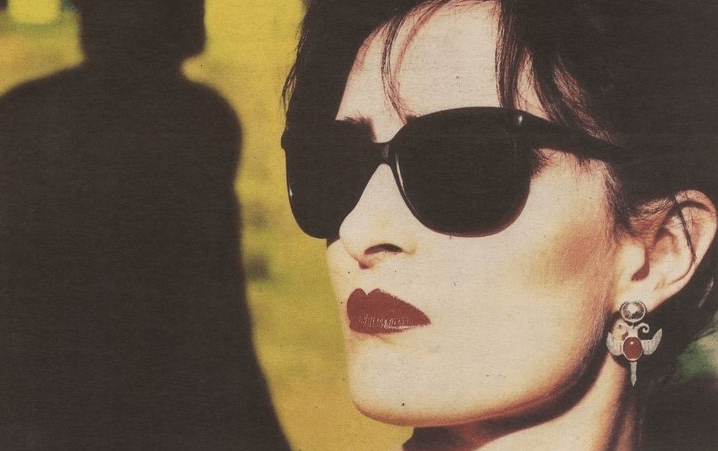
16. The Creatures, “Standing There”
Siouxsie Sioux was never one to recede from pointed commentary, particularly when it came to sexist attitudes that have long been rife in society. For the first single from the Creatures album Boomerang, she and her fellow Siouxsie and the Banshees moonlighter, Budgie, delivered a fierce musical and lyrically pummeling of the sort of cads who loiter around the public square, gawking at women and hurling vile come-on commentary their way. No words are minced: “Ignoring your calling, ignoring your taunting/ Ignoring your feelings of self hate and loathing/ How empty and pointless your life must seem.” The wrecking swings are destructive gender roles extended to the music video, which included biblical imagery with a tart reversal. It’s the male who offers up the Garden of Eden’s forbidden apple.
This cut was down from 9 on the previous chart.
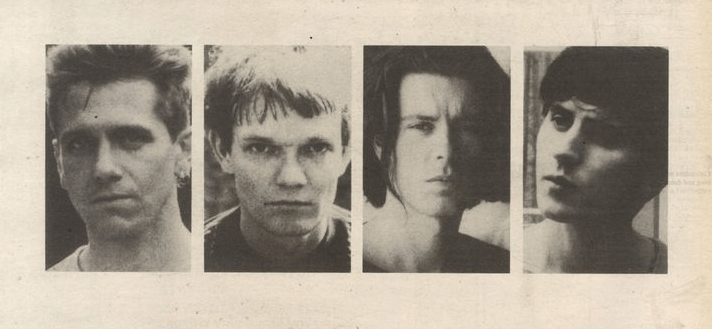
15. The House of Love, “I Don’t Know Why I Love You”
The House of Love stand as quite the cautionary tale. An up-and-coming modern rock band from the U.K., the House of Love notched a couple small-but-beloved hits with singles as the late-nineteen-eighties encroached. Then they were the beneficiaries of a thickly generous contract from Fontana Records, which provided loads of pricey studio time and all the uncompromising expectations of commercial successful and executive micromanagement that came with it. Their second full-length — officially untitled, as was their debut — credited at least four different producers and boasted a big, polished sound that the band reportedly detested. Although, it’s difficult to say how vigorously they protested since most accounts agree that many of the key band members spent the recording process giving their most dedication attention to prodigious drug usage. Years later, lead singer Guy Chadwick characterized signing up with the label as “a dreadful mistake.” There may be missteps galore across the resulting album, but I maintain “I Don’t Know Why I Love You,” the release’s second single, is a fantastic single.
This cut was making its debut on the chart.

In 1989, when Michael Penn’s album March was released, the best means to stir interest in the freshly introduced performer was to invoke his family tree. Part of the same Hollywood household that produced actors Sean and Chris Penn, Michael was the one who holed up in his bedroom with a guitar and a notepad. In the case of “No Myth,” the album’s lead single, Penn specifically noted it was written in his parents’ garage, shortly after the dissolution of his band Doll Congress. Following the sturdiest pop song template, “No Myth” was inspired by heartache, “It had to do with a serious relationship in my life that broke up, and I was just trying to figure out, ‘What the fuck was that?,’” Penn later reported. “So this song was the beginning of me trying to actually figure that shit out in song.” The track a somewhat unlikely hit, peaking in the Billboard Top 20 and — perhaps most surprisingly — helping Penn to best Bell Biv DeVoe, Jane Child, the Black Crowes, Lenny Kravitz, Alannah Myles, and Lisa Stansfield in the competition for Best New Artist at the 1990 Video Music Awards.
This cut was down from 10 on the previous chart.
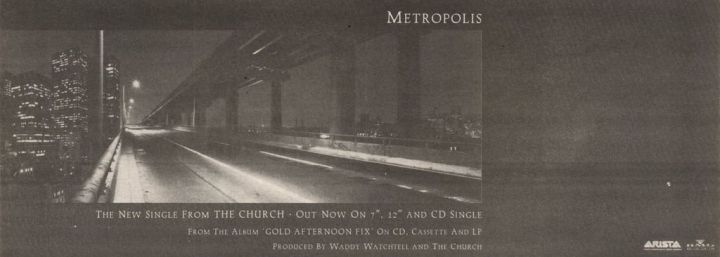
Arista Records were certain the Church were set to become regular hitmakers. The Australian band had scored a fairly unlikely Top 40 hit with “Under the Milky Way,” the lead single from the 1988 album Starfish. (“Under the Milky Way” peaked at #24 on the main Billboard chart, spending that week nestled between decidedly non-kindred singles by Richard Marx and Gloria Estefan and Miami Sound Machine.) After the Church made overtures to former Led Zeppelin member John Paul Jones, who was developing a reputation as a skilled producer, the label insisted they reunite with Waddy Wachtel, who’d presided over Starfish, figuring the breakthrough would be built upon. Starting from that point of agitation, the band spent much of the sessions that would become the 1990 album Gold Afternoon Fix feeling angry and unappreciated. They were also dealing with the mounting drug abuse problem of drummer Richard Ploog, which led to his departure from the band. According to Arista, though, it was all sunshine and light. At least that’s how they presented the situation in the press release accompanying the arrival of Gold Afternoon Fix. Cohesion was emphasized.”I think what’s happened is that everone’s got their things off their chest,” bassist and vocalist Steve Kilbey said in the release. “No one’s got an axe to grind, coming on and saying, ‘I’ve written this song I want to do. Now it’s more like everyone’s got their own stuff done, everyone wants to interact more.'” The ascension to greater stardom so coveted by the label never manifested, but the album’s lead single, the splendid “Metropolis,” was a significant winner on the college charts.
This cut was making it’s debut on the chart and was the highest debut of the week.
I wrote about the chart we’re tracking through at the beginning of this particular Countdown. Previous entries can be found at the relevant tag.
As we go along, I’ll build a YouTube playlist of all the songs in the countdown. The hyperlinks associated with each numeric entry lead directly to the individual song on the playlist.
Discover more from Coffee for Two
Subscribe to get the latest posts sent to your email.
 Coffee for Two