This series of posts covers my long, beloved history interacting with the medium of radio, including the music that flowed through the airwaves.
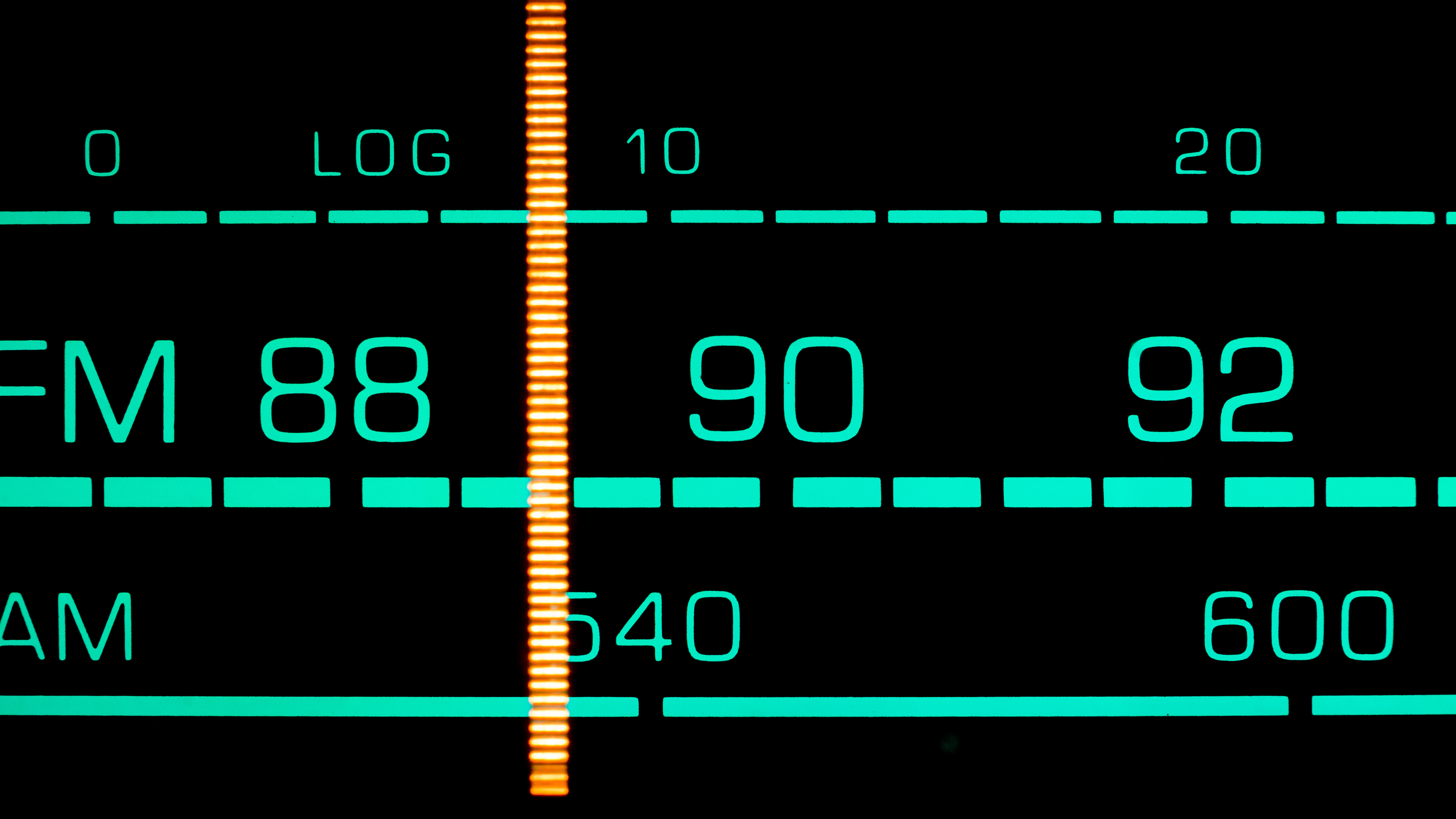
As noted yesterday, I’m looking to my distinct eras with and in broadcasting for my slice of programming in the eleventh annual staging of Reunion Weekend at my undergraduate college radio alma mater this week. Although I’ll expend some of those on-air minutes to my foundational experience as a eager listener, my time in radio truly and properly got underway when I somehow — and atypically — to attend the first interest meeting for one student organization at my university that was officially bound by federal regulations to operate in the public interest, convenience, and necessity. WWSP, located at 89.9 on the dial but rounded up to 90FM for general identification purpose, was instantly a place of comfort and joy. After years of being lost but not quite able to identify that I was, I had finally found my people.
When I started at 90FM, the music welcomed into rotation was a little broader that a lot of college radio stations at the time. Major acts that got plenty of airplay of commercial rock radio were still welcome, for instance. Even so, there was a strict moratorium against songs that officially crossed into the Billboard Top 40. As soon as a single made it to that hallowed ground, it was marked with a red dot on the album that contained it, a sign to the on-air personnel that the song was forbidden, just as it would have been had it included some of the saltier language that the FCC frowned upon. That red dot stayed affixed for a few years before the song in question was again allowed on our airwaves.
Mostly, the rule against Top 40 hits didn’t take away all that many options from the jocks, but there was one band in particular that had crossed over in a major way while remaining a college radio staple. Within my first few weeks at the station, U2 released Rattle and Hum, the double album accompaniment to their concert film of the same name. As the official follow-up to the blockbuster The Joshua Tree, the album was hotly anticipated by practically everyone who took a turn in the air chair at the station, and the lead single, the racing “Desire,” was a quick favorite. The cut was also quickly barred. “Desire” debuted at #50 in the October 1, 1988 issue of Billboard and leapt into the Top 40 one week later. We had Rattle and Hum in heavy rotation for only a few days before the red dot was smushed into place by the song that many DJs most wanted to play. There were sixteen other songs on the album that remained fair game (at least until the second single, the radiant Billie Holiday tribute “Angel of Harlem,” also found a place in the Top 40), so the hardship was admittedly mild.
A couple years later, I and some of the other student leaders eliminated the policy of temporarily ousting recent Top 40 songs from station playlists as part of a general overhaul of the main music library meant to give our programming a clearer college rock focus. Our reasoning was pretty simple: If we didn’t want commercial radio programmers telling us what we should play (and we absolutely did not want that), we shouldn’t let them dictate what we didn’t play. “Desire,” for instance, was a great song. It belonged to us just as much as it belonged to the bigger stations. They stole it from us, but we stole it back.
Previous entries in this series can be found by clicking on the “Radio Days” tag.
Discover more from Coffee for Two
Subscribe to get the latest posts sent to your email.

