These posts are about the songs that fell just short of crossing the key line of chart success, entering the Billboard Top 40. Every song featured in this series peaked at number 41.
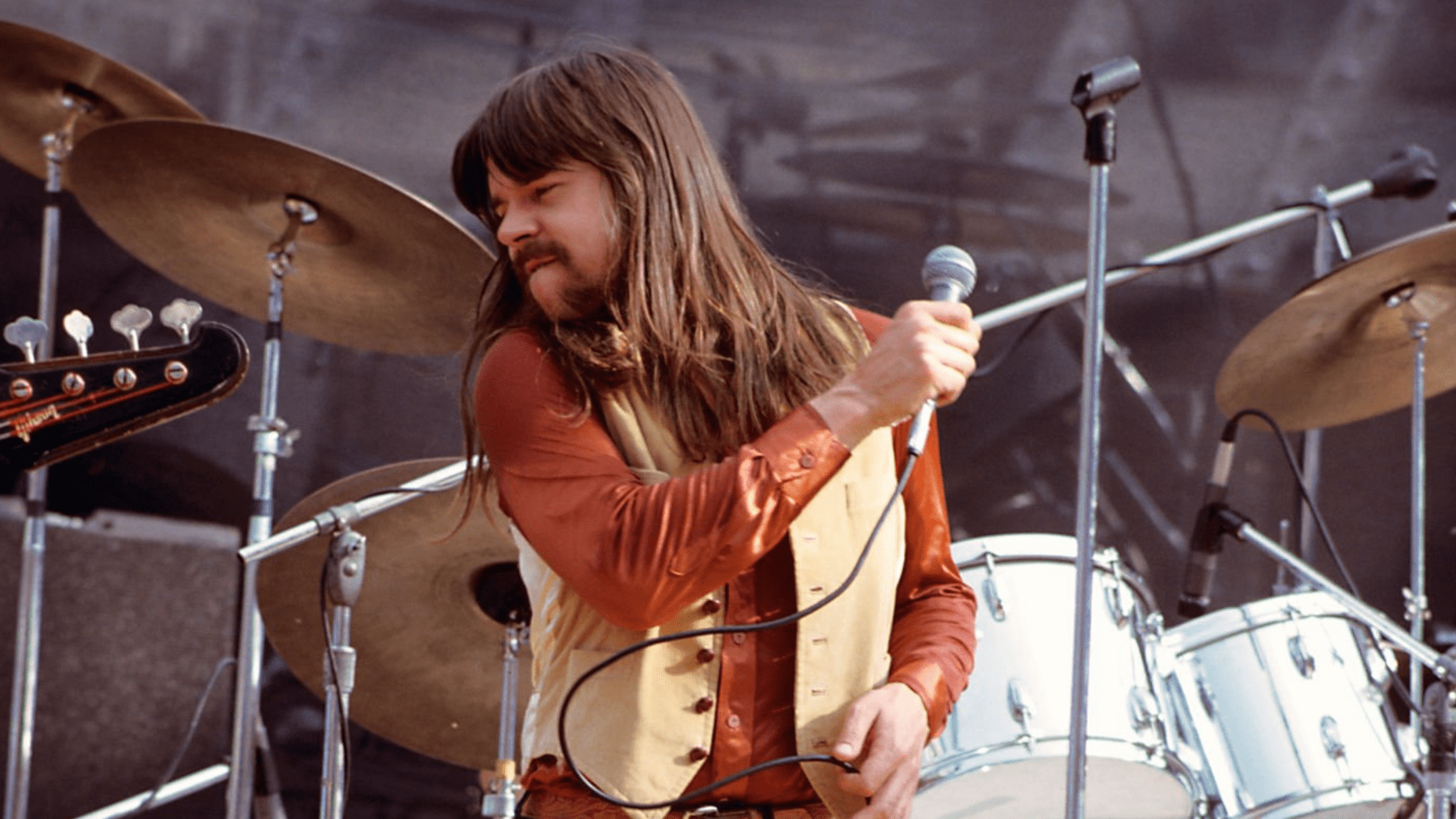
Bob Seger was hardly an unknown quantity when 1976 dawned, but it surely must have felt like a significant crossover into the mainstream wasn’t going to happen. The Detroit rocker had been making his way as a musician for over a decade at that point and had even notched a Top 40 single in 1967, the thick rave-up “Ramblin’ Gamblin’ Man,” billed to the Bob Seger System. From there, he released a string of studio albums. There were three total with the Bob Seger System and five billed under only his own name. None of those albums became a notable commercial success and several didn’t chart at all. Similarly, Seger’s best-performing singles peaked well outside of the Billboard Top 40. Only “Katmandu,” released in 1975, came close to crossing the proper hit threshold, topping out at #46.
All through this time, Seger and his bands toured relentlessly. By Seger’s count, he played two hundred sixty-five concerts in 1975. That work ethic led to a gigantic following in his home city that didn’t necessarily translate elsewhere. During the summer of 1976, Bob Seger played a show at the Pontiac Silverdome for a capacity crowd of eighty thousand people, and followed that one night later by playing to fewer than a thousand in a Chicago venue.
As Bob Seger barnstormed with his Silver Bullet Band in that summer of 1976, the final touch-ups were being dabbed onto a new studio album titled Night Moves. Released in October of that year, it would prove to be Seger’s long-awaited breakthrough. Released as the lead single, the album’s wistfully nostalgic title cut was an immediate rock radio staple and made into the Billboard Top 5. The tonally follow-up single, “Mainstreet,” also made the Top 40. The album itself was a Top 10 seller and went platinum six times over.
The album’s third and final single just missed the Top 40, but it is such a clear, direct expression of Seger’s whole thing that it has essentially evolved into a semi-official credo for him and his fans. “Rock and Roll Never Forgets” was an assessment of what it felt like to age as a lyric-howling guitar slinger: “So you’re a little bit older/ And a lot less bolder than you used to be/ So you used to shake ’em down/ But now you stop and think about your dignity.” Despite that creeping reticence, Seger assures the listener, throwing in with a jubilant concert audience will always be a balm, yowling, “Yeah, the rafters will be ringing ’cause the beat’s so strong/ The crowd will be swaying and singing along/ And all you got to do is get in, into the mix/ If you need a fix/ You can come back baby, rock and roll never forgets.”
Of course, Seger was hardly decrepit when he wrote the song. He might have been enduring the working musicians grind for some time, but he was barely into his thirties.
“You think about how old I thought I was when I was writing ‘Rock and Roll Never Forgets’ — ‘Sweet sixteen turned 31!’,” Seger reflected many years later. “But back then, the career arc for most people in entertainment was three good years, five tops, and you were gone.”
Seger had many more good years. He logged sixteen more Top 40 singles over the next decade and a half, including one chart-topper that was a soundtrack throwaway that no one (not even Seger, it seems) considers essential. It also worth noting that when Seger played Chicago in the summer of 1977, during the lengthy tour in support of Night Moves, there were far more than a thousand people in attendance. He and the Silver Bullet Band had leveled up to Soldier Field.
Other entries in this series can be found by clicking on the “Top 40 Smash Near Misses” tag.
Discover more from Coffee for Two
Subscribe to get the latest posts sent to your email.
 Coffee for Two