Although my household has an immense gratitude that the Sundance Film Festival has continued the COVID-driven practice of staging their annual, independent film–oriented film festival partially online, circumstances conspired against our participation in 2024 and 2025. This year, notable as the film festival’s final outing in Park City, Utah, we were finally able to jump back into the fray, albeit in a slightly limited fashion. Rather than grabbing a pass that would give us access to a whole bunch of movies, we opted for a just a handful of titles, filling in the rest of our own weekend programming with past features that made their debut at Sundance. It was an ideal way to celebrate the future of film and the end of an era all at once.
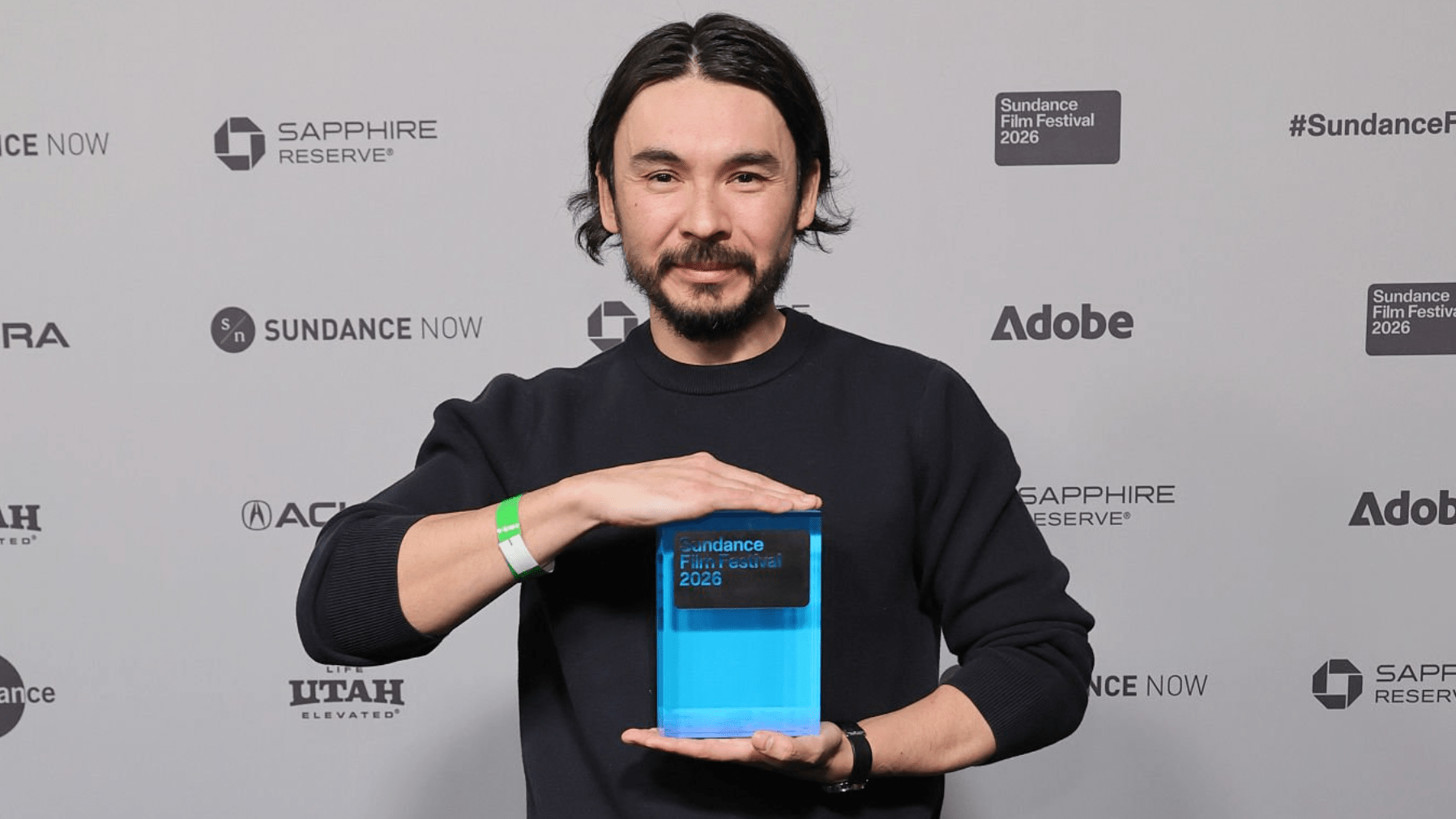
The first new film we watched was Ha-Chan, Shake Your Booty!, which earned Josef Kubota Wladyka the Dramatic Directing Award. Wladkyka also co-wrote the screenplay, drawing inspiration from his mother’s history as a competitive ballroom dancer. Rinko Kikuchi plays the lead role, a woman grieving the death of her husband and dance partner. Kikuchi was Oscar nominated for Babel, in which she played a nonverbal character, and she waseven better a couple years later in Rian Johnson’s The Brothers Bloom playing another part that had barely any dialogue. Her expressiveness remains her great strength as an actress; she draws the viewer in with the conflicting emotions playing across her face. Wladyka generally does a nice job balancing his own conflicting tones as the film swings between grounded sorrow and more fanciful stretches that often center on imagined musical numbers. If anything, Ha-Chan, Shake Your Booty! could have used more of the latter. It is most distinct and alive when fantasy intrudes.
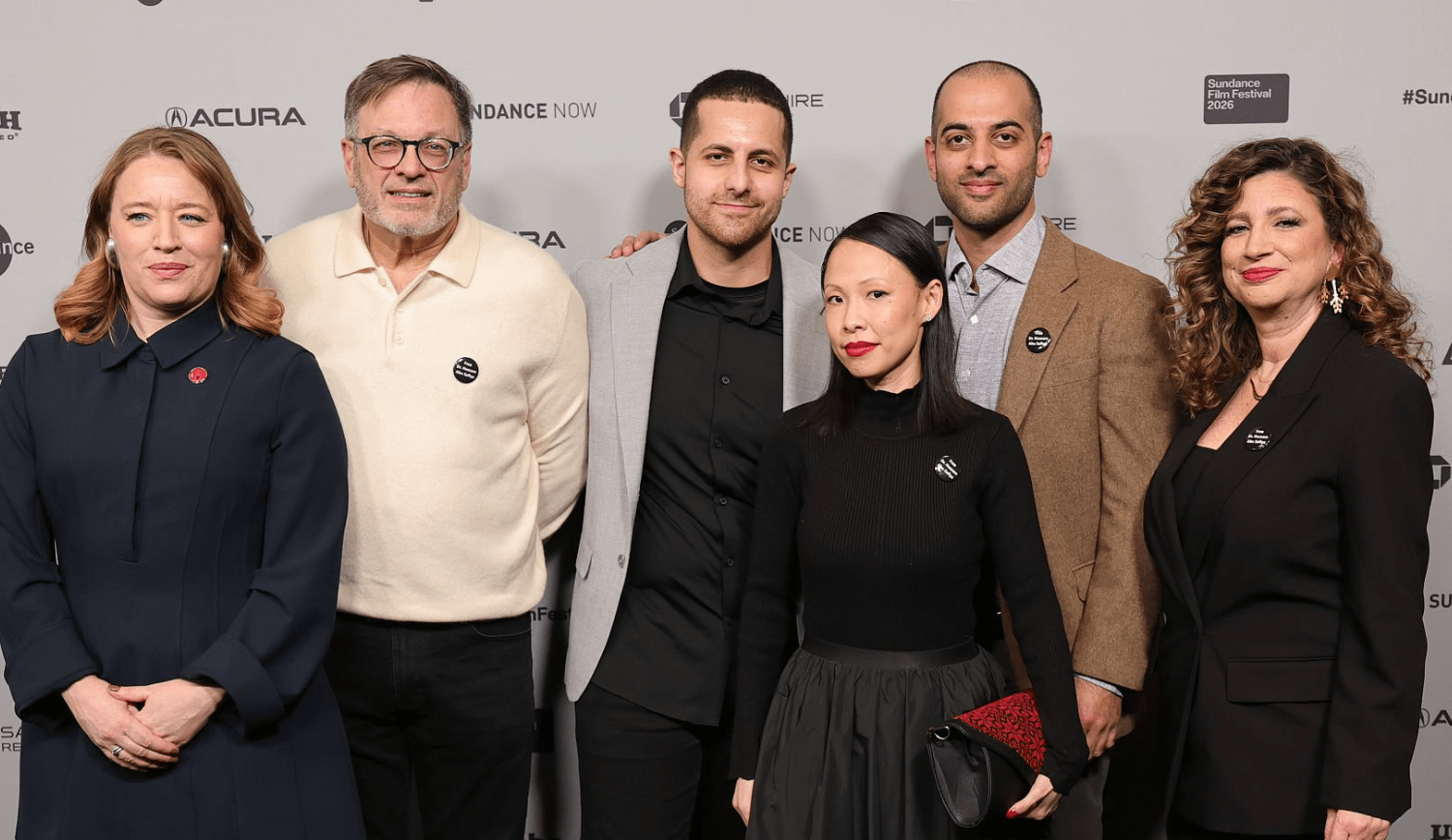
American Doctor is an entry in Sundance’s program for documentaries, often the strongest part of the festival. First-time feature director Poh Si Teng documents the devastation being wrought on the Gaza Strip predominantly through the experiences of three U.S. doctors who spend time there tending to the wounded. Teng benefits from the distinctly contrasting personalities of the physicians. It can feel like the documentary effortlessly highlights the full range of emotional responses that frontline helpers feel in the war zone. Mark Perlmutter comes across as an especially vivid character, largely because of the angry bluntness he brings to his assessments of the genocide perpetrated by Israeli military forces. So, even as the film doesn’t underline its points, the doctors certainly do. American Doctor is also unflinching in putting the human devastation on the screen, a commitment that’s established in the argument between Teng and Perlmutter that opens the film.

The Incomer is one of those emblematic Sundance films in that it mixes sentiment, whimsy, and high-concept invention. The film begins with Isla (Gayle Rankin) and Sandy (Grant O’Rourke), siblings who have lived their whole lives in isolation on an island off the coast of Scotland. They were trained by their father to be always on guard against interlopers to their deliberately primitive home. The threat finally arrives in the form of Daniel (Domhnall Gleeson), a government bureaucrat dispatched to tell the pair that they are squatting on public land and will need to move to the mainland. Many of the storytelling beats are fairly predictable, and not every colorful comic element works (a mercenary-like figure played by Emun Elliott in the prime offender). Still, the film is charming overall, especially when it explores how folklore feels like truth to Isla and Sandy. Gleeson is engaging, and Rankin is even better. She uses broad strokes to build her character and yet makes her utterly believable and endearing.
Discover more from Coffee for Two
Subscribe to get the latest posts sent to your email.

