
No Other Land (Yuval Abraham, Basel Adra, Hamdan Ballal, and Rachel Szor, 2024). No Other Land is more personal video diary than traditional documentary, and that’s precisely what makes it so powerful. Co-directors Yuval Abraham and Basel Adra are also the main subjects of the film. Abraham is an Israeli journalist who goes to the West Bank to cover the forced displacement of Palestinians there, and Adra is one of those Palestinians, a young man who is actively protesting the callous devastation of his homeland and his people. The camera captures the destruction of property and the indifferent cruelty of the occupying forces. It also finds Abraham and Adra when they are wearily discussing the futility of their hope for a better future, and those scenes of aching vulnerability are almost more devastating. Abraham, Adra and their fellow first-time filmmakers, Hamdan Ballal and Rachel Szor, don’t really shape the material, which can can make the documentary feel a little hazy and directionless. What could be a flaw is instead perfectly fitting; everyone onscreen is in a sort of anguished purgatory.
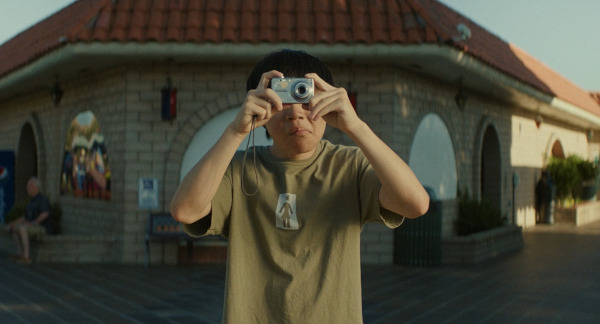
Dìdi (Sean Wang, 2024). The feature debut of writer-director Sean Wang follows Chris “Dìdi” Wang (Izaac Wang), a California boy edging into his teenaged years in the late twenty-aughts. Dìdi is embarrassed by his Taiwanese immigrant mother (Joan Chen) and longs to crack the code of adolescent happiness. Maybe his life will be better if he dates a cute girl or earns acceptance from the cool skater kids who enlist him to shoot videos of their tricks that they can upload to new website called YouTube. Wang’s filmmaking is exceptionally assured. He crafts interesting visuals and takes care with the affecting emotions of the story. Dìdi is particularly strong on capturing the ways bad decisions can compound for a teenager feeling lost. The film is melancholy and wryly funny, achieving both these qualities by intently committing to the truth of the situations that unfold onscreen, no matter how uncomfortable that might be.
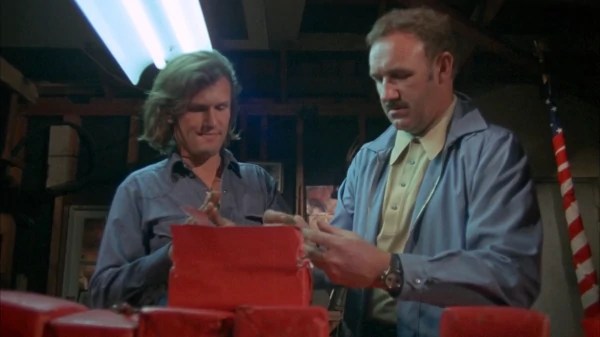
Cisco Pike (Bill L. Norton, 1972). A little too shaggy to be fully satisfying, this terse, angry crime drama is mostly notable for its range of slightly off-kilter performances. Kris Kristofferson is unpolished in his first real acting role, as a musician freshly out of jail after being busted for peddling drugs. His intent to go clean is thwarted by a dirty narc (Gene Hackman, all squirrelly desperation and casual menace) who forces him to sell a large quantity of marijuana in a short period of time to hustle up money needed to pay off hefty debts. Karen Black is adrift as the main character’s girlfriend, and Harry Dean Stanton is still in the assembly process for his patented onscreen hangdog misery. Working from his own script (which got an uncredited polish by Robert Towne), director Bill L. Norton makes Cisco Pike feel meandering and oddly rushed at the same time. He also commits fully to a rank seediness that marks the film as a product of the early nineteen-seventies as overtly as its official copyright notice.
Discover more from Coffee for Two
Subscribe to get the latest posts sent to your email.
 Coffee for Two