I read a lot of comic books as a kid. This series of posts is about the comics I read, and, occasionally, the comics that I should have read.
I’m sure the first Peter David–written comic book I ever read featured the Hulk. That’s not a surprising or unexpected detail. The Incredible Hulk was one of the first titles David presided over as a writer, and the dozen years he spent guiding the monthly adventures of Bruce Banner and his colossal alter ego were utterly transformative, for him and for the character. David’s renown stems from that era; it allowed him to continue on and craft stories that spanned universes.
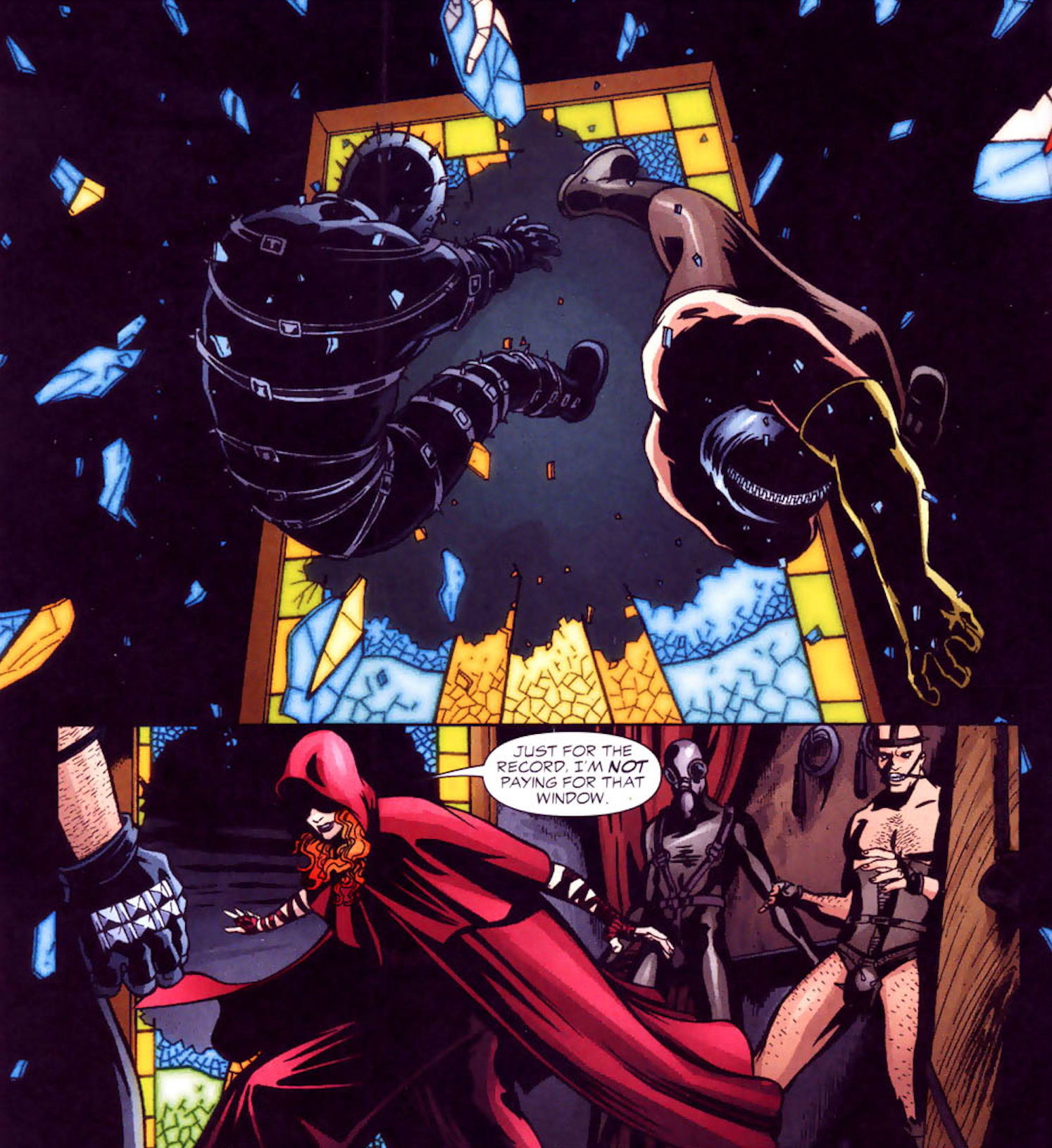
In 2003, David teamed with artist David López on Fallen Angel. Initially published by DC Comics, the series was officially creator-owned, part of the brief, bountiful era when the major publishers courted creators by given them more authority over their own work. David and López responded with a series about a mysterious woman who dons a scarlet cloak as she confronts the seamy underworld of the city of Bete Noire. Her name is Lee, but those in her circles refer to her as Fallen Angel.
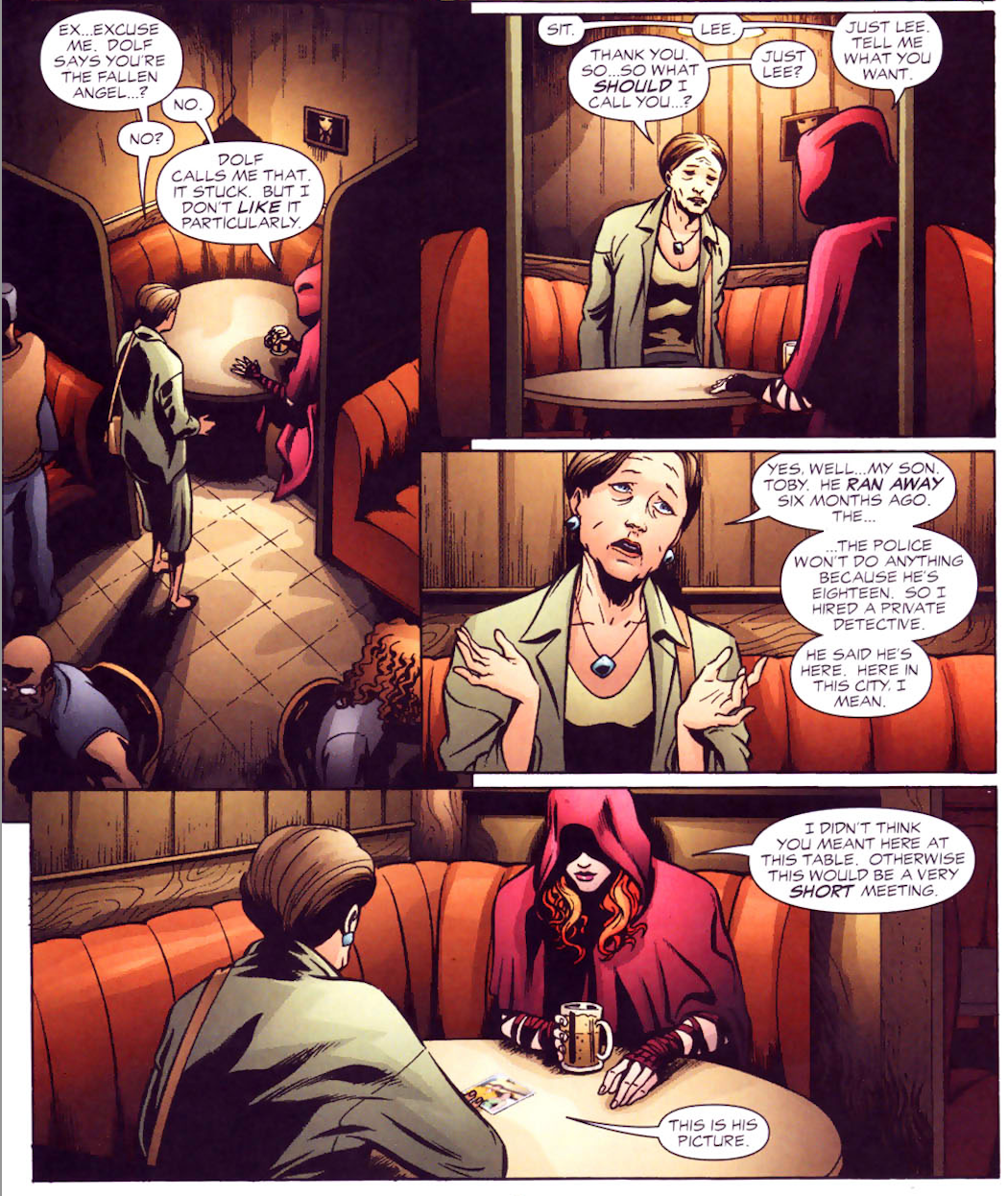
Lee treats the back booth of a local bar as her de facto private detective office. People in desperate straits come to her seeking help against the nefarious forces of the city. Lee follows up with on-the-street investigations and regular roughing up of crime bosses and their thugs. She’s like Batman with a mane of red hair, a makeup kit, and a vaguely feminist agenda.
David writes Fallen Angel like he’s a pulp novelist at heart, longing for the days when a tidy living could be made tapping out twisty stories about sordid happenings in a city’s dark corners. The comic has the look and feel of superhero fare, especially in the long hangover of the grim-and-gritty nineteen-nineties. In its crackling dialogue and acknowledgement of deep, moral rot, it nods to film noir ancestors.
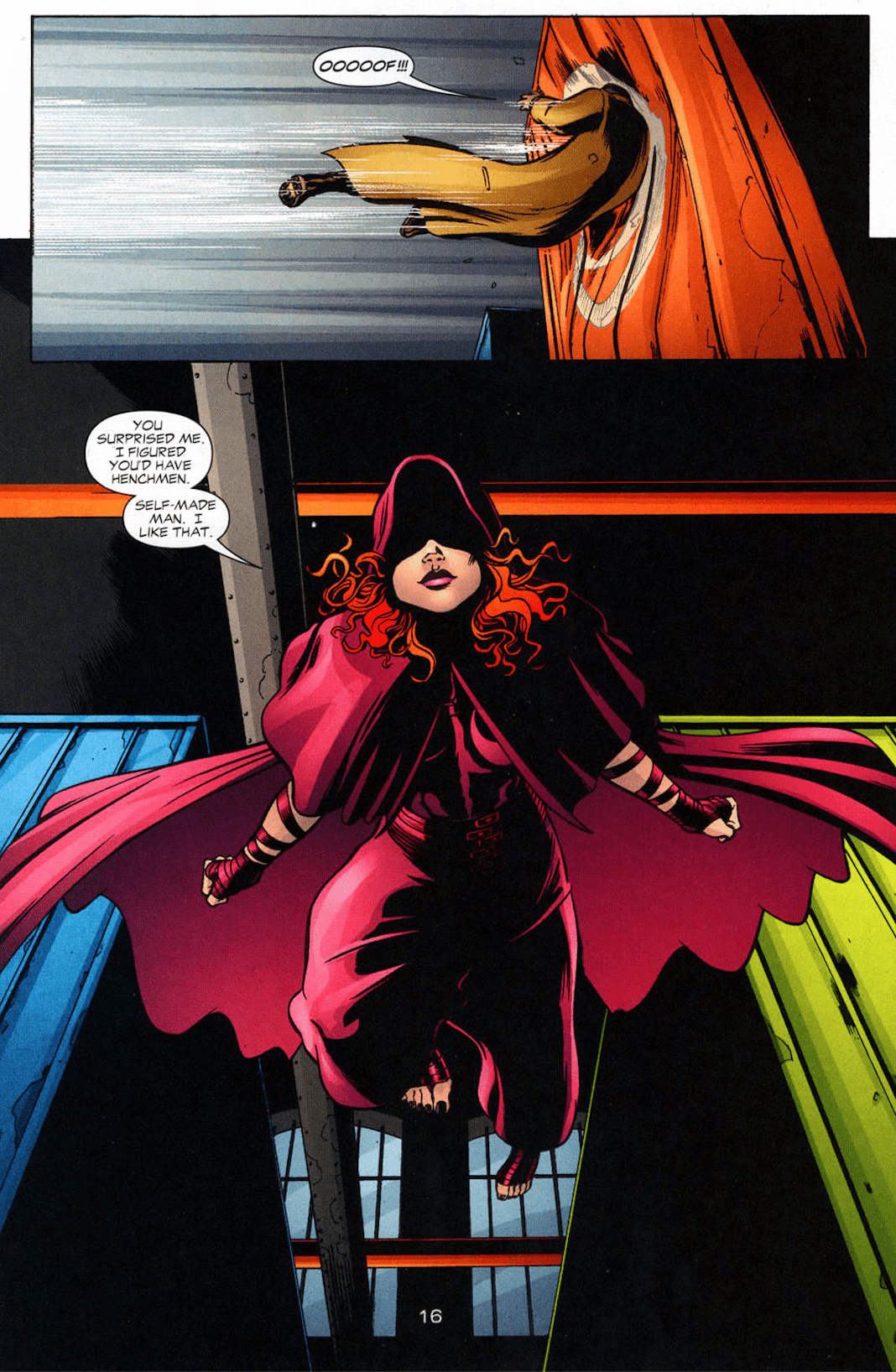
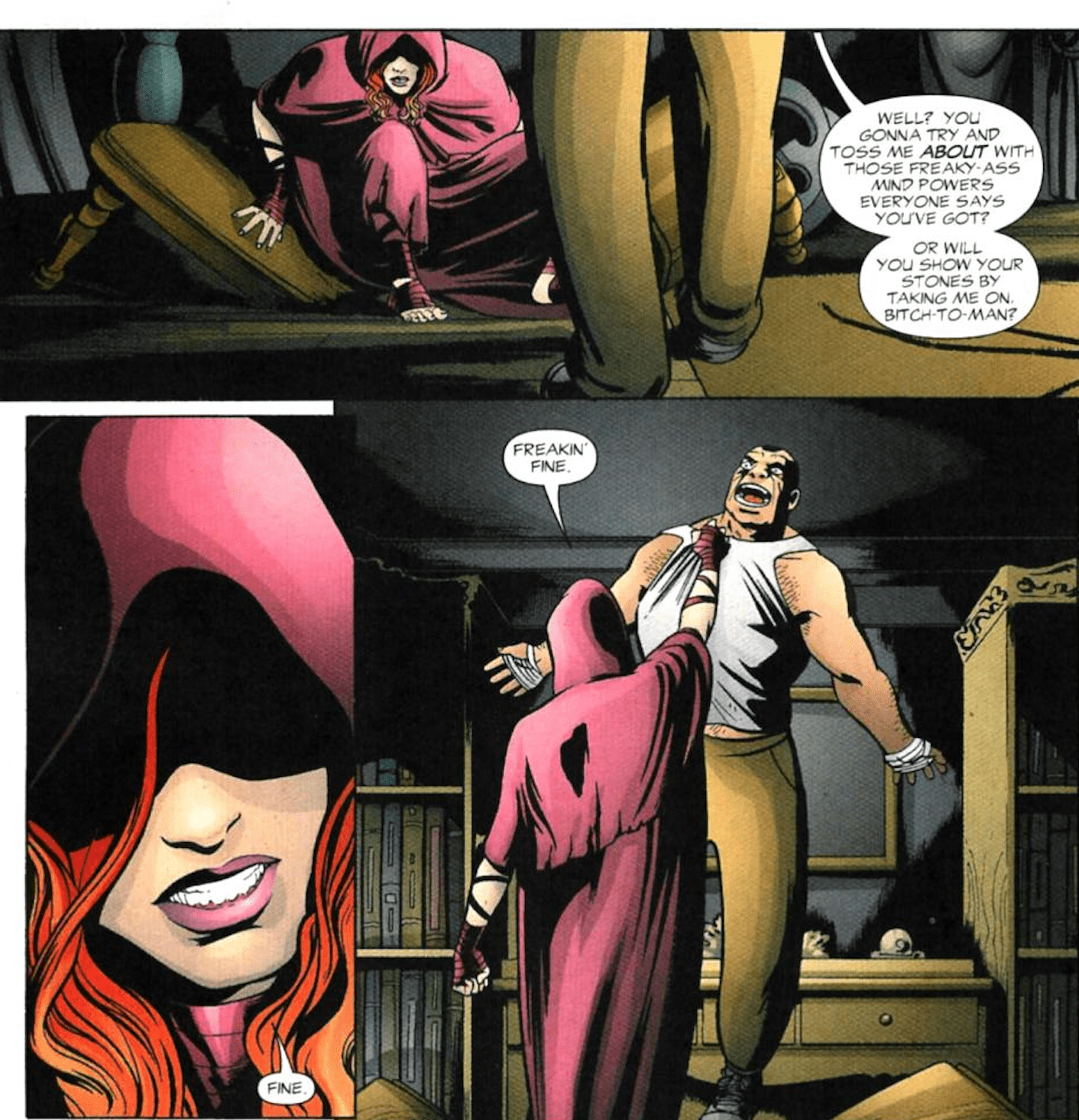
Fallen Angel was perfectly of its time, standing proudly in the immediate post-Buffy era of complex female heroes and antiheroes. (A few regrettable stereotypes among the more villainous characters also pinpoint the comic’s era.) The lead character was tough and feminine, outsmarting all around her. She was steely while still flashing an occasional vulnerability that somehow made he stronger. It’s from one of the last stretches when it felt like comic book creators could earn their way into taking risks with material they proffered to the major publishers. On Fallen Angel, David and his collaborators took proper advantage of that opportunity.
Previous entries in this series (and there are a LOT of them) can be found by clicking on the “My Misspent Youth” tag.
Discover more from Coffee for Two
Subscribe to get the latest posts sent to your email.
 Coffee for Two