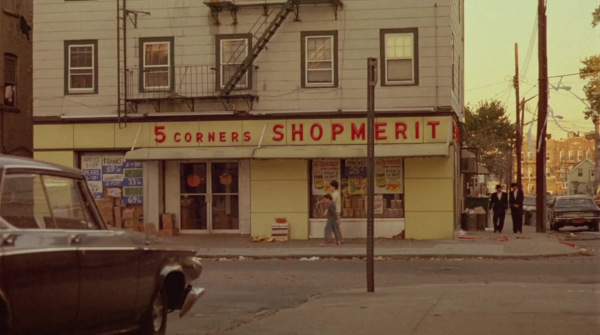
Five Corners (Tony Bill, 1987). Outside of his Oscar-winning screenplay for Moonstruck, John Patrick Shanley sure has a dismal record in the movies. He writes this baffling drama dabbed with dark comedy like someone who has only the vaguest idea of how humans interact. Set in the Bronx of the mid-nineteen-sixties, the film settles in with a tight-knit neighborhood community that’s knocked askew when a local ruffian named Heinz (John Turturro) is released from prison. His odious attention is fixated on Linda (Jodie Foster), a young woman he assaulted to land in the hoosegow in the first place. Foster is top-billed but is only sporadically on screen before spending most of the third act unconscious, which feels like a lucky break for her. None of the many subplots really clicks, and most of the performances can’t overcome the inanities of Shanley’s screenplay. Tim Robbins, playing a former street tough trying for pacifism, is the one actor who makes something of his flimsy role. Five Corners is further hampered by Tony Bill’s flavorless direction.

Immaculate (Michael Mohan, 2024). Sister Cecilia (Sydney Sweeney) is a young nun who joins a convent in the isolated Italian countryside. The main mission of this particular order is to provide comfort for elderly nuns living out their last days, but Sister Cecilia soon gets an inkling that there are more nefarious doings happening inside the godly halls. Working from a script by Andrew Lobel, it takes a little while before director Michael Mohan fully owns the film’s potboiler trashiness. Once he gets there, though, Immaculate sure goes full-on. The film is lurid, juicily cynical, and sacrilegious, and it charges to its conclusion in especially fearless fashion. Sweeney is terrific in the tricky leading role. Early on, she effectively conveys naiveté and discomfort while subtly signaling that her character’s convictions might be driven more by a confused need for purpose rather than devout belief, all of which makes the trap she finds herself in that much more unsettling. That is before the third act calls upon her to get really intense and, in every sense of the word, filthy. Sweeney deserves some sort of combat medal for her acting across the film’s wild, wicked ending scenes.
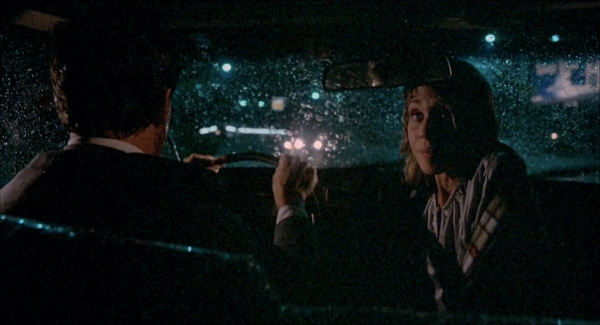
A Perfect Couple (Robert Altman, 1979). Robert Altman’s willingness to turn whole passages of a film over to live music performances works a lot better with expert country pastiches in Nashville than it does here with limp seventies soft rock. Even so, he probably makes the correct determination that such sonic mush is the ideal soundtrack for confused people trying to navigate the dating scene in the late nineteen-seventies. Alex Theodopoulos (Paul Dooley) and Sheila Shea (Marta Heflin) connect through a computer dating service, and their romance has more ups and downs than a pogo stick. He’s intense and needy, she’s indecisive, and the culture they’re operating is a haze of post–free love confusion and last-gasp nastiness of withering gender norms. Altman’s freewheeling approach works only fitfully in A Perfect Couple. For every sequence that locks in — most notably a date night that gets rained out and escalates into chaotic farce — there are several more than feel problematically aimless. Messy as the film is, it’s fun to watch Dooley is a leading role where he gets to be screwball-comedy daffy and often downright charming. The plot also includes a romantic relationship between two women that is commendably matter of fact for the era in which this film was made.
Discover more from Coffee for Two
Subscribe to get the latest posts sent to your email.
 Coffee for Two