To the degree that any given stretch of a filmmaker’s output is a measure of their preoccupations at that point in time, it can be surmised that Richard Linklater is thinking a lot about artistic creativity these days. Just weeks ago, at least a few screens coast to coast were given over to Linklater’s Blue Moon, which was partially concerned with a erudite crafter of show tune lyrics lamenting the degradation of his chosen form. Linklater made that film while in the midst of a multi-year project to adapt Stephen Sondheim’s Merrily We Roll Along, a musical about making musicals. While he’s in the process of all that, why not a film about filmmaking.
Nouvelle Vague is a loving tribute to the French New Wave. The narrative is built around the production of Breathless, the debut feature of legendary cinematic iconoclast Jean-Luc Godard, deftly portrayed here by Guillaume Marbeck. Godard was one of the most strident voices at Cahiers du Cinéma, the French publication that fully redefined intellectual conversations about film. The magazine also launched a fleet of amazing artists who put their francs where their bouches were and directed stunning, transformative films of their own. As Nouvelle Vague opens, Godard is petulantly impatient to get his turn behind the camera. He’s already watched several of his compatriots shift from critics to creators, most notably François Truffaut (Adrien Rouyard), whose debut full-length film, The 400 Blows, has just bowed to a rapturous reception at the 1959 Cannes Film Festival. It’s Truffaut’s fingerprints on the script that would become Breathless that help Godard secure the financing needed to make the movie.
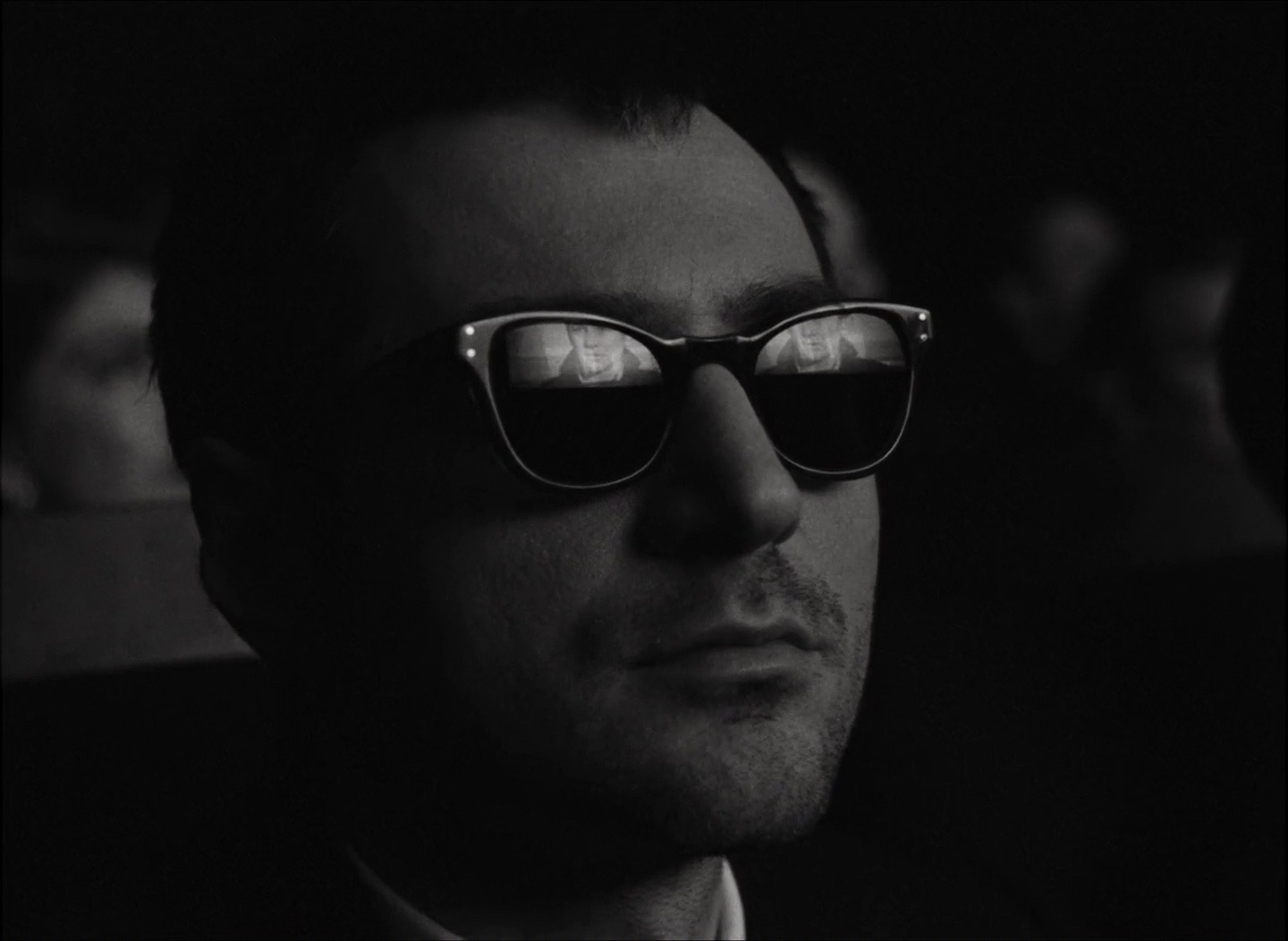
Linklater tips his hat to the some of the structural trappings of the French New Wave. He uses a 4:3 aspect ration, shoots in black-and-white, and accompanies the narrative introduction of every historical figure with a shot of the actor portraying them staring straight into the camera as the character name appears on screen below them. Mostly, though, Linklater favors the straightforward storytelling that’s long been his greatest strength as a filmmaker. With sharp clarity, he traces through the many shaky steps on the journey from loose conception to cinematic landmark. The script, credited to Holly Gent and Vincent Palmo with translation to French dialogue by Michèle Halberstadt and Laetitia Masson, acknowledges the exasperation that could be stirred by Godard’s defiantly improvisational approach while also emphasizing the flashes of inspiration that came from it.
The main barometer of the production’s shifting fronts is Jean Seberg (Zoey Deutch), the young American actress recruited to play one of the lead roles in Breathless. Seberg had recently escaped the despotic oversight of director Otto Preminger, and Deutch shrewdly signals that her character feels like she’s shifted from one untenable environment to another, that a controlling director and a freewheeling director can both become oppressive. The performances in Nouvelle Vague are strong across the cast. The actors effectively tap into the flashpoint emotions and cascading waves of frustration and joy that come with a collaborative endeavor.
Linklater is as focused and sure-footed as he’s ever been. Nouvelle Vague absolutely locks in as a compelling portrait of making art, with just a dash of commentary that suggests we’re collectively losing a valuable piece of our cultural soul as movies drift further away from impassioned creation to commerce-craving monotony. Linklater isn’t grousing. He comes at his argument from a place of hope. In the right hands, film can still be magnifique.
Discover more from Coffee for Two
Subscribe to get the latest posts sent to your email.
 Coffee for Two