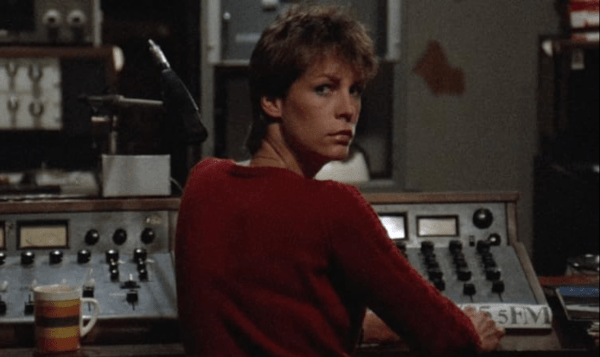
Love Letters (Amy Holden Jones, 1983). Although the look and feel of Love Letters sometimes betrays the presence of run-and-gun producer Roger Corman behind the scenes, Amy Holden Jones’s second outing as a director and first as a screenwriter is a strong, sensitive drama. Her writing is astute, digging into the psychology of the lead character in a way that evidences empathy without exactly absolving her more suspect choices. Jamie Lee Curtis plays that lead character, a community radio station DJ named Anna Winter who discovers her mother maintained an extramarital affair for more than a decade. Anna’s sense of her own history completely disrupted, she repeats familial history by entering in her own relationship with a married man (James Keach). Curtis does strong work as a woman courting chaos as a means of regaining control. Even in the handful of scenes that heighten the conflict a shade too aggressively, Curtis keeps her intensity tethered to feelings that are recognizably truthful.
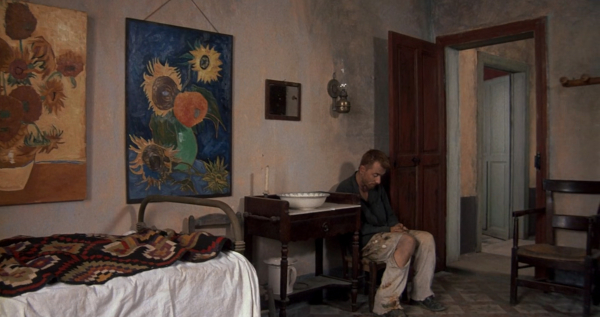
Vincent & Theo (Robert Altman, 1990). Following a string of critical and commercial disappointments, Vincent & Theo was the film that found Robert Altman reasserting his filmmaking prowess. Altman’s direction is so sure-footed here. The film follows Vincent van Gogh (Tim Roth) and his brother, Theo (Paul Rhys), across the last few years of their lives (the two died about six months apart). There’s a familiar biopic rhythm at play, but Altman and his collaborators continually introduce jarring messiness to the proceedings. Altman’s creative trademarks — overlapping dialogue, committed naturalism — guide Vincent & Theo out of realm of stultifying reportage that so often makes films like this one into chores. The approach is crystallized in Roth’s performance as the renowned artist. Roth is showy and contained at the same time, approaching caricature without ever quite tipping over into it. There’s a rueful undercurrent to the film, an open questioning as to whether lasting legacy can truly compensate for disregard in an artist’s own time. Altman, a sort of exile as he made the film, surely sympathized with van Gogh’s dilemma. That kinship in felt in every frame.
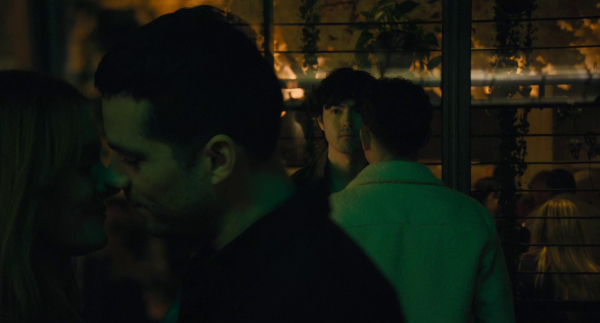
Twinless (James Sweeney, 2025). James Sweeney wrote, directed, and stars in this twisty little film about obsession. Sweeney plays Dennis, a lonely man who strikes up a close, warm friendship with Roman (Dylan O’Brien). The two meet at a highly specialized support group for people whose twin sibling has died, and that shared loss is a major component of their initial bonding. It is quickly clear that Dennis has romantic feelings for Roman that are not likely to be returned, and that’s maybe the smallest problem in their secret-shadowed relationship. As a director, Sweeney is smooth and spirited. He’s also prone to moments of showier visual staging. Sometimes these work well (a party scene rendered as a split screen) and sometimes they’re needlessly intrusive (a phone conversation with both people lying in bed). Sweeney’s writing and acting are both a little more consistent. In a tricky role, he displays crack comic timing and shows how pathos and menace can be all curled up in the same person. O’Brien is the real standout, though, even before flashback scenes call for him to do double duty. O’Brien builds reservoirs of humanity into his main character.
Discover more from Coffee for Two
Subscribe to get the latest posts sent to your email.
 Coffee for Two