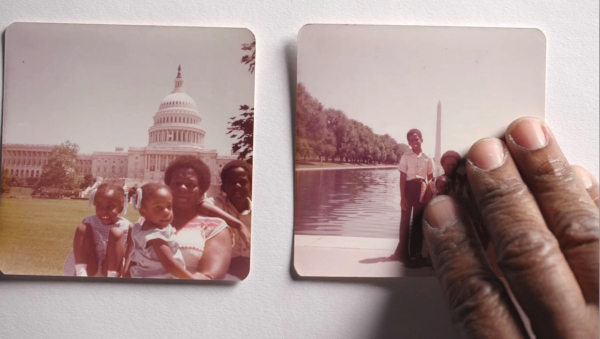
Strong Island (Yance Ford, 2017). A crime documentary, an investigation, and a personal essay film all in one. It’s heartfelt, it’s personal, and it doesn’t quite work. Ford considers the tragic fate of his brother William. He was just twenty-four-years old in the early nineteen-nineties when a confrontation with a local mechanic led to him being shot and killed. The killer was white, as was every member of the grand jury who found him innocent based on his dubious claims of acting in self-defense. Ford brings his family’s long-held grief fully into Strong Island. He recounts the facts of the matter while openly mulling over matters of family, systemic racism, and basic identity. Much as the approach is a welcome change from the tedious march of bleak detail that defines too many documentaries that can be reasonable slotted into the genre of true crime, the film winds up stuck in a muddled limbo. There’s certainly still power to this tale of dead ends set up for young, Black men, but Ford’s intensely intimate approach strangely makes the story feel more distant and affected.
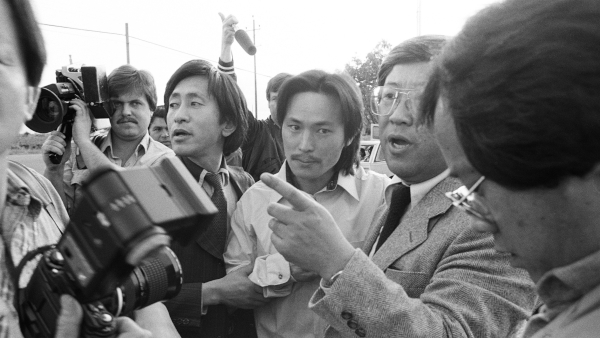
Free Chol Soo Lee (Eugene Yi and Julie Ha, 2022). Chol Soo Lee was twenty years old when he was arrested for the murder of a gang boss in San Francisco’s Chinatown. Although evidence against him was spotty, Lee was convicted of the crime and sentenced to death. Before long, Lee’s situation became a cause that whole communities rallied around. Free Chol Soo Lee directors Eugene Yi and Julie Ha expertly interweave archival footage with more up-to-date material to tell the story of a fight for justice that I think has mostly been forgotten, maybe in part because the man who was the focus of public support proved to be so fallible. Before he was wrongly accused, Lee’s troubled youth had already driven him to a series of poor choices that didn’t reflect well on him, and his faulty judgment never really waned. The filmmakers are resolutely fair in their depiction. The only real flaw is that it sometimes feels like they’re relying a little too much on just a handful of interviews, especially in the early going of the documentary.
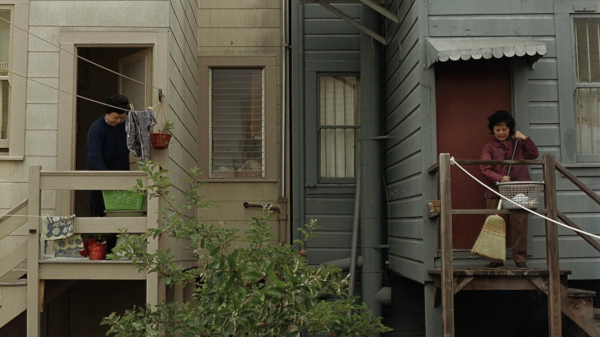
Dim Sum: A Little Bit of Heart (Wayne Wang, 1985). Wayne Wang was such an impressively humane filmmaker across the early part of his career. This slice-of-life family drama is beautifully specific and empathetic. It tells the story of a Chinese family, including the neighbors and friends who are part of the extended circle of their lives. Dim Sum: A Little Bit of Heart is filled small details and gestures that give it a novelistic depth. In the manner of nineteen-eighties indies, the performances can be spotty. Film was expensive, and neophyte actors weren’t afforded a lot of takes. The performances that work, though, are exceptional and all the more special because the actors in them were rarely afforded the opportunity to create such full characters. In particular, Victor Wong is wonderful in a rare lead role.
Discover more from Coffee for Two
Subscribe to get the latest posts sent to your email.

