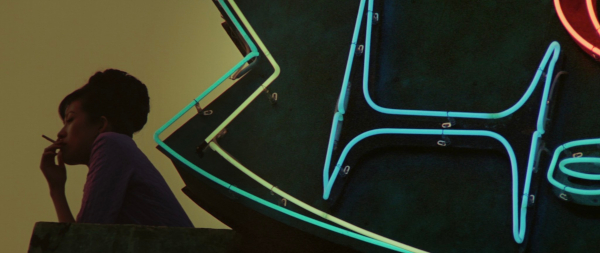
2046 (Wong Kar-Wai, 2004). Wong Kar-wai’s follow-up to the broadly acclaimed In the Mood for Love is a weird, warped, melancholy film about how love never runs on time. 2046 carries over the character of Chow Mo-wan (Tony Leung) from the earlier film (Maggie Cheung also returns, but her role is much smaller). He’s nursing a broken heart by acting the lothario with a series of women in Hong Kong, a situation which inevitably draws him into complex relationships and some dark doings. The film presents a group of overlapping stories to get at a core emotional truth. Wong’s visual inventiveness and immense skill overseeing all elements of filmmaking craft make for a striking work, even when the layers upon layers sometimes get tangled. Because purity of feeling is paramount, it’s less problematic with narrative gets a little confusing. The plot points can seem almost incidental. Among the cast, Zhang Ziyi is the standout. She’s incredibly expressive, building so much complexity into her character.
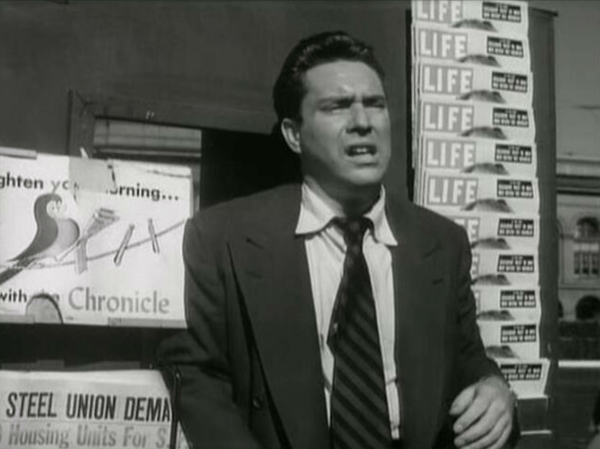
D.O.A. (Rudolph Maté, 1949). D.O.A. is a classic of film noir for good reason. Its basic hook is perfect for the snarly subgenre. The film opens with Frank Bigelow (Edmond O’Brien) stumbling into a police department to report a murder, his own. He recounts his woeful tale, and the film presents the story in flashback. When partying with a group of rowdy conventioneers, Frank was slipped a deadly mickey. Told that there’s no way to reverse the slow-acting poison in his system, Frank embarks on a sweaty mission to hunt down his killer. The film is filled with implausible circumstances and wavering, inscrutable character motivations, but none of that dulls its grand entertainment level. If O’Brien never quite finds the right level of sweaty desperation to suit the scenario, the rest of the cast is peppered with enough character actors doing their shady best to more than compensate. There’s a tonal wildness to the film, typified by the slide whistle sound effect that plays every time Frank ogles a dame in the hotel party scenes that help set up the main plot. Rudolph Maté directs with the appropriate level of conviction to the borderline absurd material.
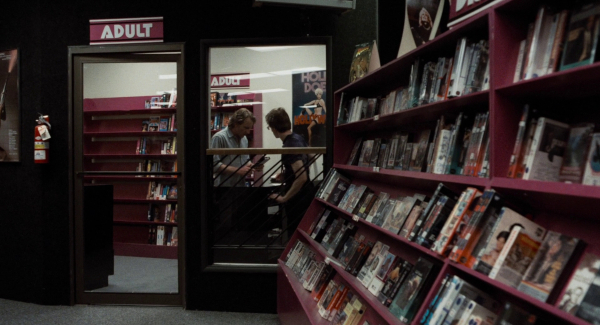
Body Double (Brian De Palma, 1984). A lot of the plot doesn’t bear up under scrutiny in this seedy nineteen-eighties thriller from director Brian De Palma. The central set up is ingenious, though. Jake Scully (Craig Wasson, good in the overwhelmed everyman role) is a middling actor scuffling along in low-budget shlock, including a vampire flick that he’s ousted from after it becomes clear that his claustrophobia is going to make it tough to film the required coffin scenes. A busted relationship leaves him in search of a place to stay, a need that’s met by an acquaintance (Gregg Henry) who sets Jake up with a housesitting gig in the Hollywood hills. From there, Body Double borrows the central conceit of Alfred Hitchcock’s Rear Window: Jake’s voyeuristic peeping on a sexy neighbor leads to him witnessing a murder. His subsequent attempt to get the bottom of the mystery leads straight to the porn industry and an actress known as Holly Body (Melanie Griffith). For better and worse, De Palma is in his element here, treating trash as high art and daring the audience to call him on it. The film’s strong sense of style heightens the pleasure of its audacity. Body Double features what is far and away Griffith’s best performance. She plays Holly with fire, brashness, tinges of vulnerability, and a feral cunning. Griffith is so good that the procession of largely mediocre work that follows is almost baffling.
Discover more from Coffee for Two
Subscribe to get the latest posts sent to your email.

