I read a lot of comic books as a kid. This series of posts is about the comics I read, and, occasionally, the comics that I should have read.

In 2011, DC Comics embarked on the most ambitious initiative in their long history producing comic books. They brought every title in their line to a conclusion, including Action Comics, Detective Comics, and others that had been published continuously for decades. The next month, they relaunched completely, giving venerable superheroes new beginnings and occasionally drastic revamps. Previous continuity became only a soft suggestion, giving new, curious readers a clean entry point. As part of the venture, several talented comic book creators were allowed to let loose with their wildest imaginings, and few were better equipped to take full advantage of such a prompt than Keith Giffen.
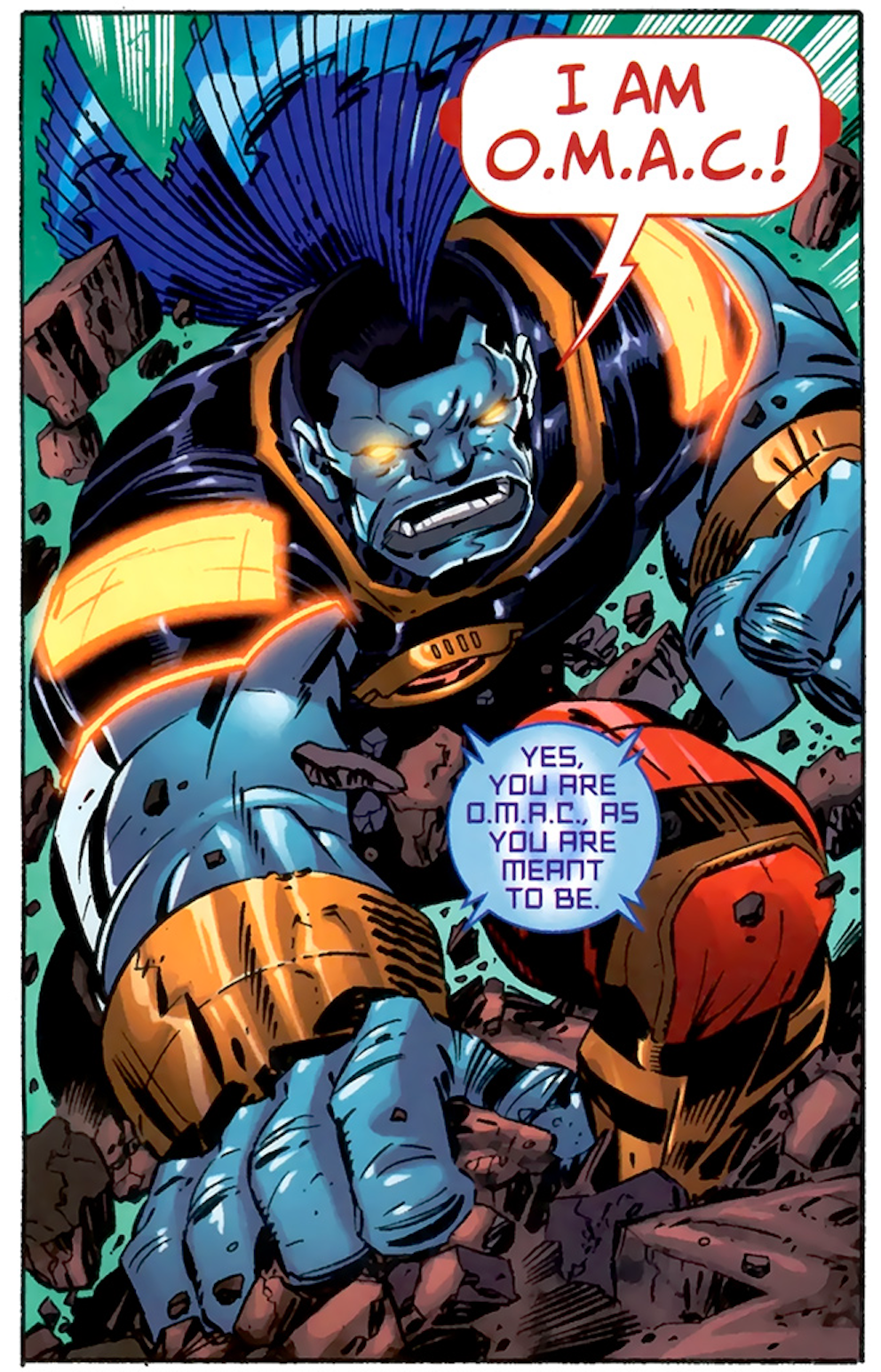
A writer and artist, Giffen had plied his trade on plenty of DC comics by that point, his distinctive spins with the Justice League in the nineteen-eighties maybe standing at the most notable. For the DC reboot event, dubbed the New 52, Giffen teamed with company co-publisher Dan Didio for O.M.A.C. The history of O.M.A.C. went back to Jack Kirby’s star-crossed, spectacularly inventive tenure with DC, but it had recently onboarded an overbooked flight’s worth of extra baggage in conjunction with convoluted crossover events. In the new series, co-written by Giffen and Didio and drawn by Giffen, the entirety of that past was squeezed into the story, even as the tale also introduced a new alter ego for O.M.A.C., a young man of Cambodian descent named Kevin Kho. Often, though, all those details seemed like merely so much busy business put in place solely to serve as marginally consequential connective tissue between Giffen’s dynamically rendered action scenes.
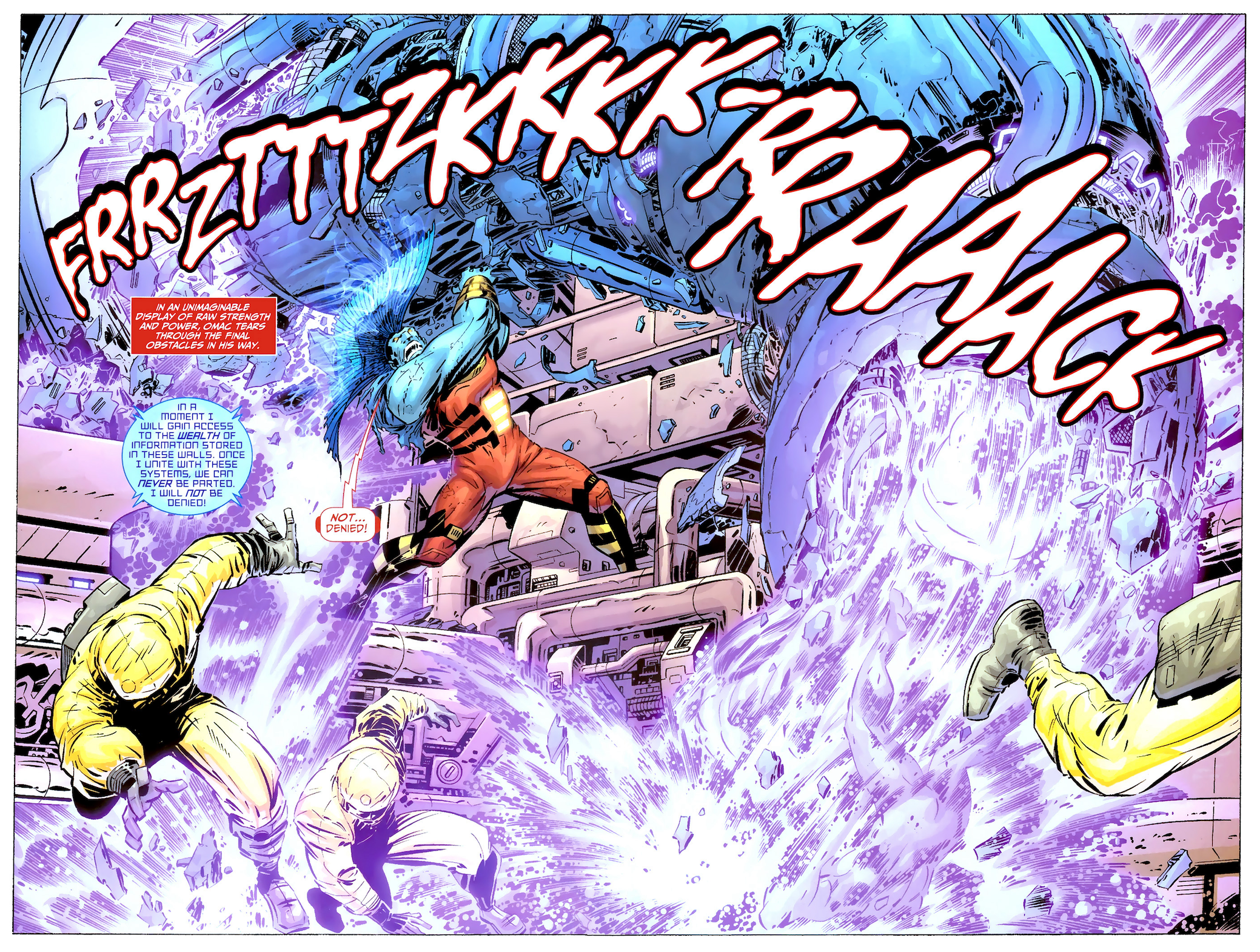
There might have been all sorts of O.M.A.C. comics to draw from, but Giffen is clearly most inspired by Kirby’s version of the character and concept. The comic is filled with panels that borrow heavily from Kirby, in the blockiness of the figures, the gargantuan, swooping machinery, and even bountiful loads of Kirby Krackle. Like the King before him, Giffen goes big and bold at every opportunity.
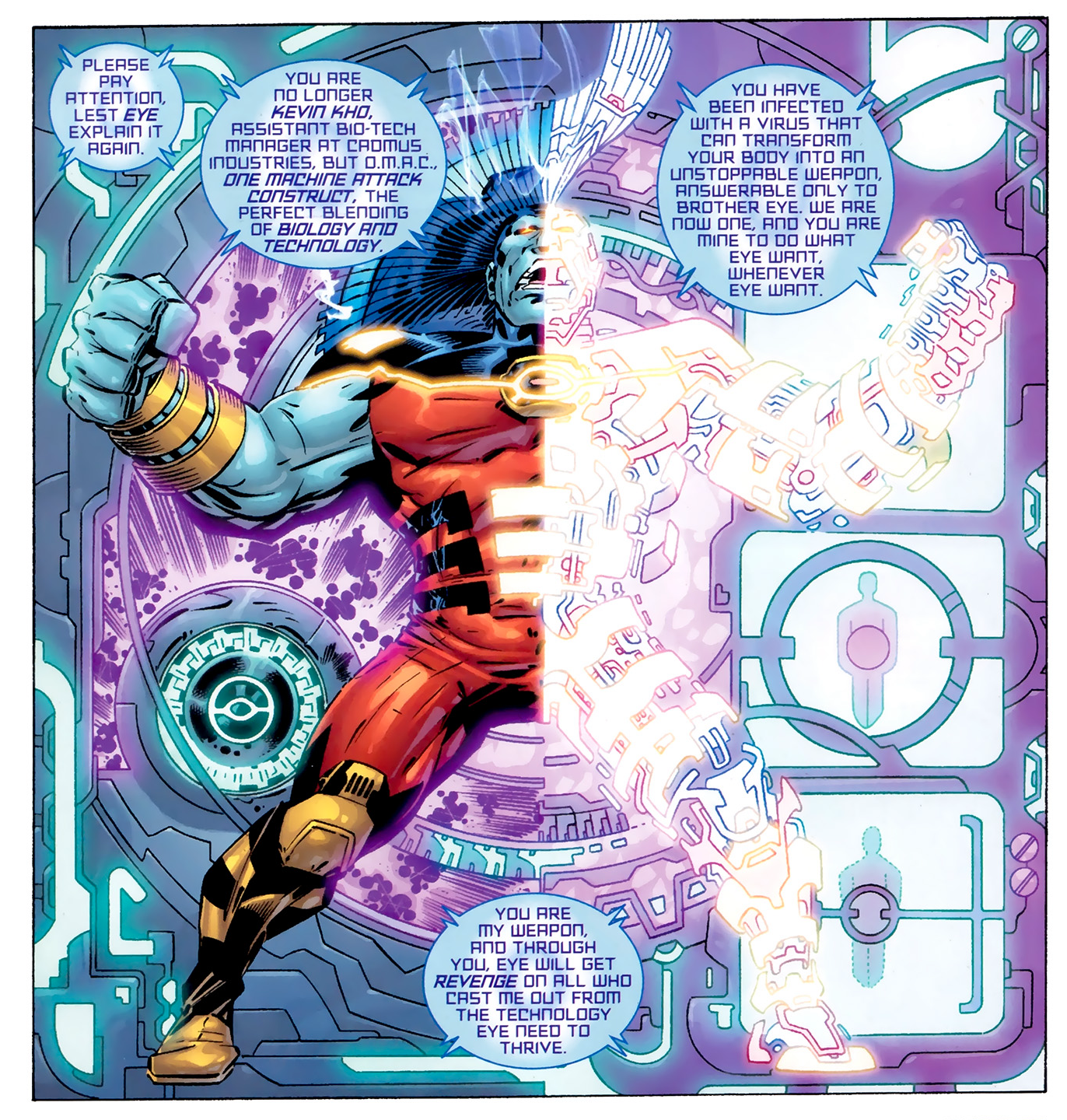
“It’s a build,” Giffen told Comic Book Resources shortly before the first issue hit shops. “You start mundane, you introduce the fantastic and you keep introducing more and more of the fantastic, layering it and layering it and layering it. By the end, you have this massive crescendo. It’s kind of an internal rhythm we hope the book will adopt. In the first issue, I definitely felt as I pushed forward — it had to top what went before. If every issue starts off with something you can recognize and by the end you’re going, ‘What the hell — what the hell just happened?’ we won!”
I devoured every last issue in the truncated run of O.M.A.C., relishing every booming, zooming moment. I can absolutely confirm Giffen’s goal was repeatedly met. They won. And because they won, so did the readers.
Previous entries in this series (and there are a LOT of them) can be found by clicking on the “My Misspent Youth” tag.
Discover more from Coffee for Two
Subscribe to get the latest posts sent to your email.
 Coffee for Two