
The Alabama Solution (Andrew Jarecki and Charlotte Kaufman, 2025). This is the sort of documentary that should prompt real political and social change. It’s well made and compelling, and it clearly lays out undeniable abuses of human beings. Instead, all the amoral inaction from hateful Alabama politicians depicted in the film will undoubtedly continue. Directors Andrew Jarecki and Charlotte Kaufman draw upon footage captured by incarcerated men using contraband cellphones. The inmates sometimes speak directly to the camera and detail the horrors they’re seeing and the indignities they’re forced to endure. They also get actual images of abhorrent punishment enacted against the human beings behind bars and its bloody aftermath. The determination shown is stunning. Although the work of Jarecki and Kaufman is impressive — they shrewdly assemble footage generated over the course of several years — the real filmmaking heroes of The Alabama Solution are the men who wielded phones, putting their fundamental well-being at grave risk.

The Ugly Stepsister (Emilie Blichfeldt, 2025). As Chekhov famously said, a tapeworm in the first act must go off in the third. Writer-director Emilie Blichfeldt deploys the well-known tale of Cinderella escaping from the tyranny of a step-family to fill the screen with all manner of ornate horrors. Lea Myren plays Elvira, one of two daughters of an imperious mother (Ane Dahl Torp). Elvira is enamored of the kingdom’s grand, bratty prince (Isac Calmroth) and resentful of her pretty stepsister (Thea Sofie Loch Næss). Desperate to improve her stature in a society in thrall to physical beauty, Elvira goes to extremes to modify her appearance, a process that Blichfeldt observes with an unflinching lens. The Ugly Stepsister is filled with gruesome images of the sort that are meant to be endurance tests for the audience. There’s also an undercurrent of thoughtfully harsh commentary about cultural norms that cause young woman to subsume themselves to the demands of superficial appeal. Myren plays the lead role with impressive conviction.
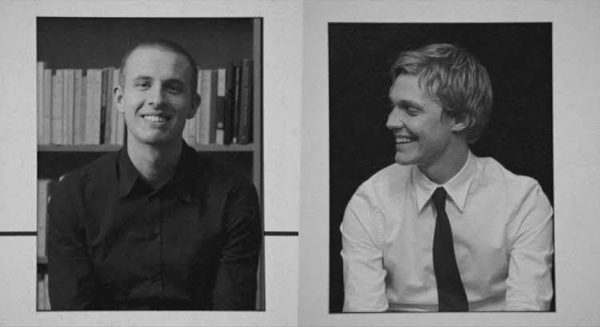
Reprise (Joachim Trier, 2006). Reprise is such an amazingly assured feature debut from Joachim Trier. Phillip (Anders Danielsen Lie) and Erik (Espen Klouman Høiner) are pals who dream of literary stardom. They are so aligned that they literally go to the mailbox together to mail out manuscripts of their first novels. From there, paths diverge, and Trier’s film (co-written, as usual, with Eskil Vogt) considers all the ways camaraderie is battered and bruised by the shifting fates that life delivers with indifferent ruthlessness. In some ways, the film presents a simple, familiar story. It’s the manner of how that story is rendered on screen that turns the work into a stunner. Laudable complexity is built into every interaction, and Trier brings a corresponding intelligence to his visuals. He loads in all sorts of meta playfulness and employs an overt use of deliberately noticeable technique that recalls the greats of French New Wave. Defying the odds, all of it works wonderfully. The film is also an astute study of all the ways toxic masculinity does a number on everyone who comes in contact with it. The only real flaw is that the female characters are sketchily drawn. At least Trier would decisively eliminate that particular shortcoming in the future.
Discover more from Coffee for Two
Subscribe to get the latest posts sent to your email.

