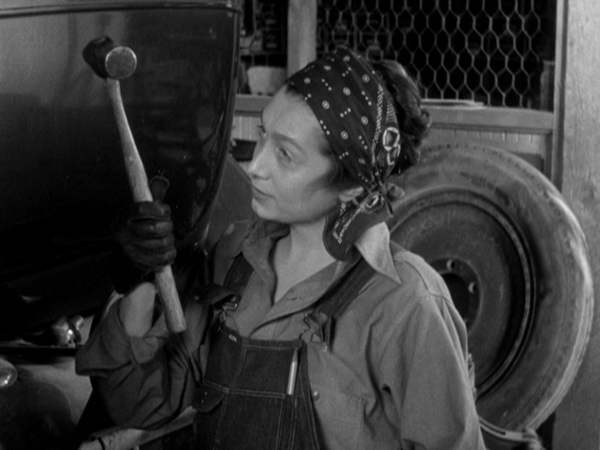
Heat Lightning (Mervyn LeRoy, 1934). Heat Lightning is an absolutely amazing crime drama that anticipates the steely cynicism of the film noir masterpieces that would start showing up around a decade later. Olga (Aline MacMahon) and Myra (Ann Dvorak) run a remote way station for travelers in the American Southwest. Along with the usual array of patrons who come seeking fuel, food, and accommodations, one fateful day brings George (Preston Foster), an ex of Olga’s, through the door. He’s accompanied by an anxious fella named Jeff (Lyle Talbot), and it soon becomes clear that the men are on the run from the law. The script (based on a 1933 play and credited to Brown Holmes and Warren Duff) is tremendous, unfolding its plot with care and a keen attention to characterization. The dialogue is equally strong, filled with snap and wry humor. Mervyn Leroy directs with a slick certainty, especially in setting the tone and keeping the complex story clear. LeRoy also gives the actors plenty of room to craft full characters and make deep impressions. MacMahon is a wonder as the headstrong Olga, and there’s one close-up on Dvorak that’s especially amazing.
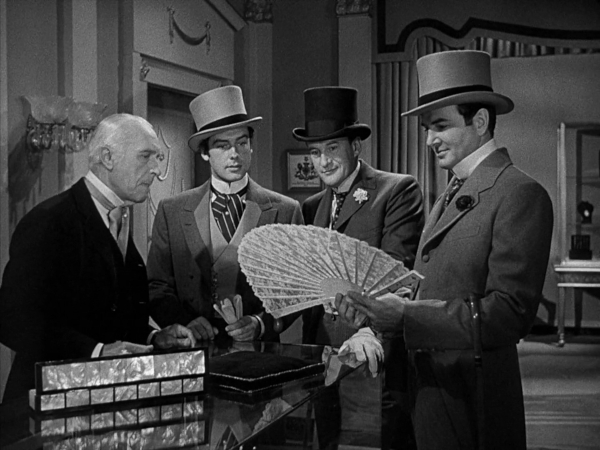
The Fan (Otto Preminger, 1949). Lady Windermere’s Fan, A Play About a Good Woman was written by Oscar Wilde and first performed in 1892. There were at least five other film adaptations before Otto Preminger directed this period piece that has the fingerprints of several adapting screenwriters, including Dorothy Parker. After a modern framing sequence, the film jumps back to roughly the time of Wilde’s original work and traces the crisscrossing dalliances of Lord Arthur Windermere (Richard Greene) and Lady Margaret Windermere (Jeanne Crain). The Fan works best when it concentrates on Wilde’s erudite comedy, and it sinks when it leans into soapy melodrama. The latter overtakes the former in the third act, and Preminger’s even-handed, fairly pedestrian directing only emphasizes the flatness of the more dramatic storytelling. George Sanders is on hand for his usual droll line deliveries, but even his considerable contribution is dimmed before the end.
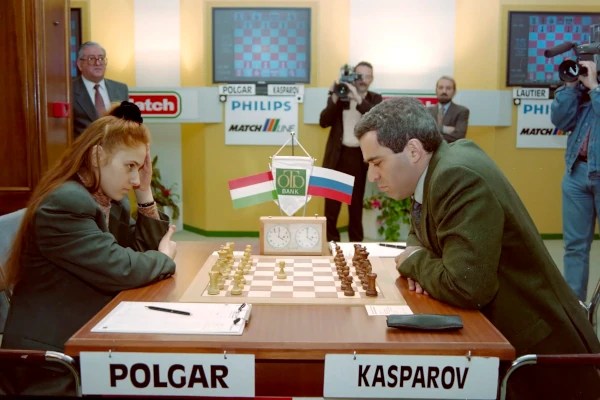
Queen of Chess (Rory Kennedy, 2026). Although this documentary has some of my least-loved tics of the form (needless recreations, talking head interviews that dwell on the obvious), it’s also vibrantly entertaining. Judit Polgár was a Hungarian chess prodigy whose prowess for the game can be attributed at least somewhat to her father’s obsessive efforts to coach his three daughters to become champions. Judit outshone her siblings and became the youngest player to earn a spot on the top one hundred ranking compiled by Fédération Internationale des Échecs. The film follows her trajectory through the nineteen-nineties as she continued to impress while coming up against breathtaking chauvinism. Queen of Chess benefits greatly from the fact that Polgár is an engaging presence, whether in archival footage or the new interview conducted for this documentary. Director Rory Kennedy keeps the film moving at a brisk pace and builds the onscreen story to a impressive endgame.
Discover more from Coffee for Two
Subscribe to get the latest posts sent to your email.

