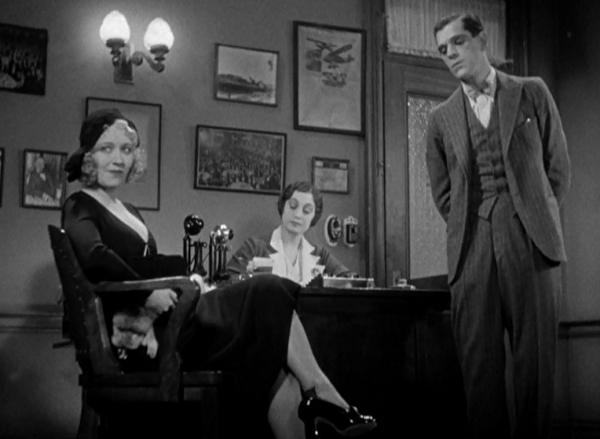
Five Star Final (Mervyn LeRoy, 1931). This tale of tawdry tabloid practices swerves between the snappy comic banter common to newspaper-based comedies of the era and scathing commentary on the damage done by unethical journalistic practices. It’s remarkable how well Five Star Final navigates between the two disparate tones. Joseph W. Randall (Edward G. Robinson) is the managing editor of a low-grade New York newspaper. He’s been trying to steer the publication away from the sensationalized stories that were its bread, butter, and gooey jam. With circulation plummeting, he agrees to turn his investigative prowess to an old, unsolved murder case, which in turn leads to the unearthing of a whole mess of scandal in and around a high-society family. Director Mervyn LeRoy comes up with some nifty visuals, including witty split screens and a couple shots from the inside of a busy switchboard. The performances are generally strong. Robinson, as usual, is terrific, and Aline MacMahon is memorably snappy as the lead character’s trusty secretary.
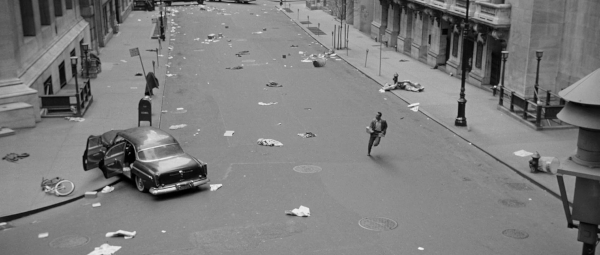
The World, the Flesh and the Devil (Ranald MacDougall, 1959). It’s impressive that the filmmakers were able to wedge a couple musical numbers for Harry Belafonte into this dystopian drama about most of the world’s population getting wiped out by a radioactive dust cloud. Belafonte plays Ralph Burton, a mine inspector who was trapped underground when the disaster hit. Spared from the deadly effects of the dust cloud, Ralph travels to New York is hopes of finding any other survivors. Instead, he finds a metropolis that’s been almost entirely hollowed out. He does eventually encounter others, including a pretty young woman played by Inger Stevens. The World, the Flesh and the Devil is compelling when it focuses on the basic challenges — both practical and psychological — of persevering on a largely empty planet. It loses its way a bit when the drama is ramped up with the fraught dynamics of the U.S. Civil Rights era. The last few scenes feel especially forced.

Megadoc (Mike Figgis, 2025). Mike Figgis’s documentary about the making of Francis Ford Coppola’s career-capping boondoggle, Megalopolis, is probably too gracious towards the film it embeds with. Ending with the Megalopolis Cannes premiere and no acknowledgment of the film’s highly mixed reaction is simultaneously an act of kindness and cowardice. Figgis still captures plenty of mess with his camera, especially when it’s pointed at Shia LaBeouf, who comes across as so aggravating on set as to be basically unemployable. Megadoc is informed by Figgis’s career crafting artful, out-of-mainstream features, and he spends a decent amount of time weighing Copolla’s experiences against his own. That could easily become indulgent. Instead, it gives the documentary’s insights additional weight. A veteran of sets, Figgis knows how to take in the chaos and he has useful sympathy for how easily everything can collapse.
Discover more from Coffee for Two
Subscribe to get the latest posts sent to your email.

